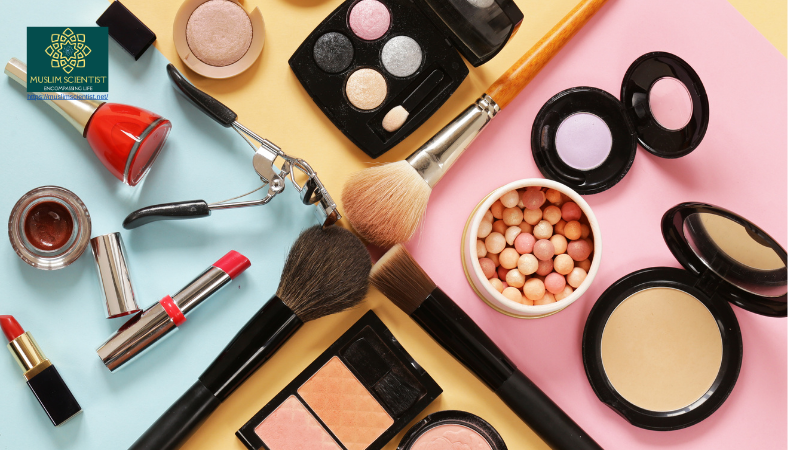
The global halal cosmetics market exploded from $20 billion in 2015 to a projected $54 billion by 2022, driven by demand for safe, clean ingredients that appeal to Muslims and non-Muslims alike. A systematic review in the Journal of Cosmetic Dermatology uncovers key factors like religiosity, halal certification, and product safety fueling this surge, offering manufacturers a roadmap to tap into booming sales. As consumers prioritize purity amid rising health concerns, halal beauty isn’t just a niche—it’s the future of skincare and makeup for everyday people seeking trustworthy products.
Market Surge Explained
Halal cosmetics, defined by Shariah-compliant ingredients free from pork derivatives, alcohol, and harmful substances, have shattered stereotypes of being “just for Muslims.” The 2019-2020 Global Islamic Economy Report pegged consumer spending at $64 billion in 2018, eyeing $95 billion by 2024, even post-COVID as demand shifted to sanitizers, eye care, and hand creams. In Muslim-majority hubs like Indonesia (85% Muslim population) and Malaysia, brands like Wardah dominate by marketing halal status alongside quality, proving faith-friendly products rival global giants.
Non-Muslims are jumping in too, drawn by “vegan, organic, cruelty-free” tags that signal high standards—halal certification demands rigorous testing for purity and safety, regulated in Malaysia under the Sale of Drugs Act 1952. This review of 14 studies from 2016-2021, using PRISMA methodology across Web of Science and Scopus, reveals why: 68.4% of purchase drivers tie to religiosity, but safety perceptions hook 63.1% of buyers regardless of faith. Everyday shoppers in China and India, even as minorities, favor halal options from trusted origins like Turkey or Malaysia when logos assure cleanliness.
Top Drivers of Consumer Choice
Religiosity tops the list at 68.4%, where devout users demand halal logos and certifications to align beauty routines with beliefs—yet attitude mediates this, turning faith into confident buying. Product factors like safe ingredients, halal labels (52.6% influence), and quality hit hard, as consumers shun contaminants like animal fats or impurities. Social buzz amplifies it: 42.1% buy based on friend recommendations or influencers, while personal knowledge (36.8%) empowers savvy shoppers to spot Shariah-compliant gems.
Price matters less in Indonesia and Malaysia (obligation trumps cost), but sways China where competitive pricing boosts uptake. Promotion via social media and halal marketing, plus easy access (place factors), round out the mix—think Arabic brand names evoking trust or eWOM (electronic word-of-mouth) swaying millennials. Theories like Planned Behavior (TPB) and Reasoned Action (TRA), used in most studies, predict these shifts: attitude + norms + control = intention.
Here’s encouraging data on key determinants from the 14 reviewed studies:
| Determinant Category | % of Studies Finding Positive Influence | Key Examples |
|---|---|---|
| Religiosity | 68.4% | Faith drives attitude toward safe products |
| Product Factors (ingredients, logo, certification) | 52.6% | Halal labels build trust instantly |
| Social Factors (recommendations) | 42.1% | Friends/family sway 5+ studies |
| Consumer Characteristics (knowledge) | 36.8% | Awareness boosts confident buys |
This table spotlights actionable wins: focus on certification for 50%+ uplift.
Research Breakdown and Insights
Quantitatively dominant (11 of 14 studies), this review scanned business journals like Journal of Islamic Marketing, using surveys to quantify behaviors. Qualitative dives (2 studies) and one experiment with dummy powders added depth, while S-O-R framework (Stimuli-Organism-Response) framed marketing (product/price/promotion/place) against personal stimuli (social/religious/characteristics).
In Malaysia, young Muslims prioritize religiosity; Indonesian millennials blend halal with trends. China’s Muslims lean on Ahongs (religious leaders) over family; India’s seek origin-trusted brands sans logos. Non-Muslims in Malaysia eye halal for “harmless, organic” vibes, per Chong et al. Encouragingly, Theory of Planned Behavior confirms: perceived control (10.5%) and attitudes (37%) predict adoption reliably.
Growth stats paint optimism:
| Market Milestone | Value (USD) | Projection/Driver |
|---|---|---|
| 2015 Global Market | $20B | Baseline pre-boom |
| 2018 Spending | $64B | Muslim + non-Muslim uptake |
| 2022 Forecast | $54B | Certification compliance |
| 2024 Target | $95B | Wellness + color cosmetics surge |
These figures scream opportunity: color cosmetics grow fastest among youth.
Implications for Shoppers and Brands
For everyday consumers, halal cosmetics mean worry-free glamour—pure, tested, hygienic without haram risks. Muslims fulfill obligations; others gain eco-safe perks. Brands must certify, market via Instagram (Wardah’s playbook), and price smartly for minorities. Stigmas of “low quality” fade as knowledge rises via apps and bloggers.
Post-COVID, above-the-mask focus (eyes, hands) accelerates trends. Manufacturers eyeing Asia’s $70B market should embed Islamic values, build trust digitally, and expand online. This review’s S-O-R model guides: stimuli spark emotions leading to buys.
Future of Halal Beauty
Halal isn’t religion-only—it’s a competitive edge for global sales. Expect more Arabic branding, eWOM, and availability pushes. Shoppers: scan logos, trust recommendations, embrace knowledge. Brands: certify aggressively. With 74% of studies eyeing purchase determinants, the path to $95B is clear—pure beauty for all.
Reference: here
Other Articles: