A new study spotlights exploding demand for halal food in Asia and Europe, where Muslim minorities and tourists drive a lucrative market despite non-Muslim majorities. Researchers highlight thriving halal restaurants and growth projections, urging entrepreneurs to seize quality-certified opportunities.
Research Highlights
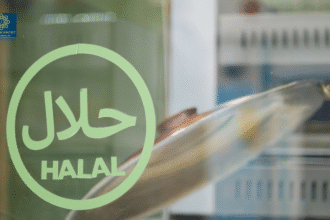
Using descriptive qualitative methods, the study draws on secondary data from journals, books, websites, and theses to map halal food businesses. It defines halal as permissible under Islamic law—free from pork, alcohol, and improper processing—appealing beyond Muslims for hygiene and quality. Key drivers: Rising Muslim populations, halal tourism, and global trends like halal lifestyles, with certifications from bodies like Indonesia’s MUI or Malaysia’s JAKIM ensuring standards.
Thriving Halal Restaurants
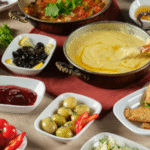
Halal eateries flourish in non-Muslim hotspots, offering certified meats, fresh ingredients, and diverse menus from steaks to ramen. Examples span continents, proving market viability even in secular hubs.
Table 1: Successful Halal Restaurants in Asia & Europe
| Restaurant | Location | Highlights | Appeal |
|---|---|---|---|
| Maximus Steakhouse | Amsterdam, Netherlands | Halal steaks, seafood; seats 100+ | Romantic dinners, quality meats |
| Hasir | Berlin, Germany (6 branches) | Turkish kebabs, mezze since 1970 | Family-style, authentic flavors |
| Le Confidentiel | Paris, France | Fine dining chicken, lamb, salmon | Expert halal chefs, upscale |
| Shawarma Grill House | Dubai* (Asia ref) | Middle Eastern grills, veggies | Fresh spices, affordable |
| Ramen Ouka | Tokyo, Japan | Certified ramen, fish broth | Halal from Otsuka Mosque |
| Wonjo Seoul Samgyetang | Busan, South Korea | Ginseng chicken soup since 1960 | Muslim-friendly ginseng sup |
Muslim Population Power
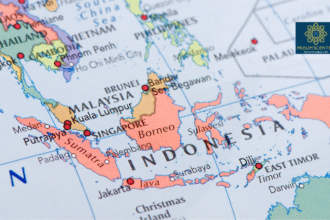
Asia hosts ~62.1% of global 1.6B Muslims, led by Indonesia (204M), Pakistan (178M), India (177M). Europe: 43M (4th largest), growing 15%/year demand since 2003; Russia projected 18.6M by 2030. Minorities in Japan, Korea, Thailand boost halal via tourism—e.g., 788 halal spots in Japan, Korea’s Halal Week events.
Table 2: Key Muslim Population & Growth Data
| Region/Country | Muslims (millions) | % of Population | Growth Notes |
|---|---|---|---|
| Indonesia | 204.8 | Majority | Top global |
| Pakistan | 178.1 | Majority | Asia leader |
| India | 177.3 | Minority | Huge potential |
| Europe Total | 43 (2010) | Varies | +15% annual demand |
| Russia (2030 proj.) | 18.6 | 14.4% | Largest in Europe |
| France | 10.3% (proj.) | Minority | Daging demand high |
| Japan/Korea | Minority | <5% | 788 halal restos Japan |
Business Potential Explodes
Non-Muslim nations chase halal gold: Thailand’s 20+ halal spots fight shortages; Japan’s JHA certifies exports; Europe’s 1.84% annual halal market growth serves 1.6B consumers valuing purity. Airlines like Japan Airlines serve halal; challenges met by strict on-farm-to-table standards, boosting non-Muslim trust in safety. Projections: Halal tourism prioritizes food (66.8%), creating jobs, exports—e.g., Korea targets $1.23B halal exports by 2017.
Challenges and Wins
Certifications vary—JAKIM (80 criteria) tops MUI (48)—but ensure hygiene, no cross-contamination. Non-Muslims adopt for health/cleanliness; opportunities in exports, tourism. Study urges quality focus amid competition.
Halal food transcends faith, promising ethical, profitable ventures globally. With Muslim growth and savvy certifications, Asia-Europe markets beckon bold entrepreneurs.
Reference: here
Other Articles: