Ethanol lurks in everyday items like bread, mouthwash, and fruit juice, raising questions about safety for families worldwide. A review uncovers its widespread presence, urging smarter choices amid health warnings and cultural needs.
Ethanol Everywhere
Ethanol appears in foods from natural fermentation in yogurt (0.05-2% alcohol) and breads (1.18-1.28%), to fruits like ripe palm (up to 4.5%) and stored pineapple (from 0.48% to 1%). In pharmaceuticals and cosmetics, it acts as a solvent and preservative, with levels up to 76% in some oral drugs, though regulators like WHO cap it at 0.5% for kids under 6. Industrial uses span antiseptics (60-70% effective against microbes) to bioethanol fuel, blending with gasoline to cut CO2 emissions by 90%.
Health Concerns Decoded
The World Health Organization states no safe alcohol level exists, linking even low doses to cancers, liver disease, and neurotoxicity via acetaldehyde, a carcinogen. Vulnerable groups face higher risks: children from ethanol in meds, pregnant women causing fetal alcohol spectrum disorders, and Asians with enzyme deficiencies prone to GI cancers. Cumulative exposure from multiple sources complicates risks, yet most foods stay below acute toxicity thresholds.
Table 1: Encouraging Ethanol Benefits and Regulations
| Benefit/Regulation | Details | Impact |
|---|---|---|
| Biofuel Emission Cuts | 90% less CO2, 60-80% less SO2 vs. gasoline | Cleaner air, renewable energy shift |
| Fruit Preservation | Delays ripening in papaya, inhibits rot in grapefruit | Reduces food waste, extends shelf life |
| Low-Dose Liver Aid (Animal) | Improves function, lowers urate in high-fat diets | Potential metabolic support |
| WHO/FDA Kid Limits | <0.5% in meds for under-6s | Protects vulnerable children |
| GRAS Food Status | Safe solvent/preservative with residue controls | Everyday products remain low-risk |
Cultural Navigation
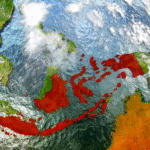
Islamic views deem intoxicating ethanol haram, but low levels (<1%) from natural sources are often mubah if non-intoxicating. Standards vary: Indonesia’s MUI allows 1% in foods, Malaysia’s JAKIM 0.5-1% in drinks, with calls for clear labeling. Global halal market growth drives ethanol-free alternatives in meds and cosmetics, balancing faith and industry.
Table 2: Halal Ethanol Limits by Country
| Country | Fermented Products | Soft Drinks | Key Authority |
|---|---|---|---|
| Indonesia | Up to 1% natural | 0.5-1% | MUI |
| Malaysia | Up to 1% non-intoxicating | 0.5-1% | JAKIM |
| Brunei | <2% natural | Very low | Strict policy |
| Saudi Arabia | Very low natural | Prohibited | Religious edicts |
| USA (IFANCA) | <0.1% | N/A | Islamic Council |
Economic Power Plays
Bioethanol powers 66% of global production for transport, offering cost-effective renewables over petroleum. While US alcohol issues cost $249B yearly in productivity/healthcare losses, regulations like labeling and alternatives cut burdens while tapping halal markets. Policies mirroring tobacco controls—taxes, marketing limits—promise savings, as seen in UK’s minimum pricing trials.
Safer Choices Ahead
Standardized labels, cultural-sensitive formulations, and ethanol alternatives empower consumers. Opt for fresh fruits over stored juices, check med labels, and support bioethanol for green wins. Research gaps in low-dose effects call for vigilance, but managed use keeps benefits flowing without risks.
Reference: here
Other Articles.