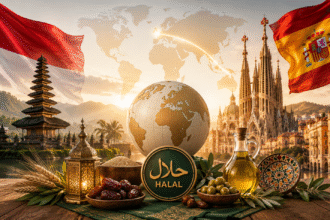
Young Indonesian Muslims prioritize halal labels on foreign snacks and mall eats, defying trends of loosening traditions. A study reveals attitudes and family influence drive their choices, boosting brands that certify.
Halal Habits Hold Strong
Indonesia’s 161 young Muslim respondents—mostly teens and undergrads—show halal certification sways foreign food buys like Korean snacks or Japanese treats. Despite global brands flooding malls without labels, 58% female youth aged 17-22 stick to certified options, blending faith with trendy tastes. Study uses Theory of Planned Behavior (TPB), proving personal views and social pressure trump barriers.
Key Drivers Revealed
Attitudes toward halal boost purchase intent by 47.3% path coefficient, p<0.001, as youth see labels as quality guarantees. Subjective norms from family and friends add 38.2% influence (p=0.002), reinforcing cultural roots amid K-pop ramen hype. Intent strongly predicts actual buys at 89.7% (p<0.001), signaling reliable shopping habits.
Table 1: TPB Path Coefficients – Strong Halal Drivers
| Factor → Purchase Intent | Path Coefficient | P-Value | Verdict |
|---|---|---|---|
| Attitude | 0.473 | 0.000 | Significant |
| Subjective Norm | 0.382 | 0.002 | Significant |
| Perceived Control | 0.088 | 0.176 | Not Significant |
| Intent → Behavior | 0.897 | 0.000 | Significant |
Youth Profile Snapshot
Nearly half (46.6%) are high schoolers, 44% undergrads, with monthly spends mostly 2-5M IDR (~$130-320 USD). Women lead at 58.4%, ages cluster 17-22 years (90%), reflecting urban Depok-like shoppers eyeing imports. All indicators load >0.7 with AVE >0.5, ensuring robust data reliability.
Table 2: Encouraging Demographics – Halal-Loyal Youth
| Category | Subgroup | Percentage |
|---|---|---|
| Gender | Female | 58.4% |
| Age | 17-22 Years | 89.9% |
| Education | High School+ | 90.7% |
| Monthly Spend | 2-5M IDR | 86.96% |
| Reliability | Cronbach’s α | All >0.77 |
Why Independence Wins
Perceived behavioral control doesn’t sway intent (p=0.176), as independent Gen Z feels free from obstacles like price or access. Halal logos build trust, countering non-certified foreign chains via social proof. Study fills gap: prior works overlook Indonesia’s youth vs. parents’ stricter ways.
Brands Get Boost
Foreign firms gain by certifying: market to solidarity, non-materialism for youth appeal. Halal economy booms in world’s largest Muslim nation, with labels mandatory for most foods. Policymakers note: youth faith endures, aiding ethical marketing.
Future Tastes Bright
Study urges campaigns highlighting social perks, expanding TPB insights for Gen Z. Young shoppers uphold halal amid globalization, promising growth for certified imports. Check labels, support certifiers—Indonesia’s youth lead the way.
Reference: here
Other Articles: