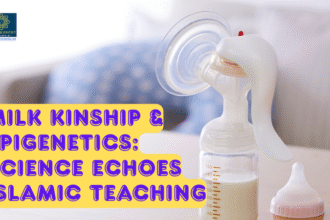
Exclusive breastfeeding offers unmatched health advantages for babies and mothers, as highlighted in a comprehensive study blending scientific research and Islamic teachings. This natural practice, recommended by the World Health Organization for the first six months, protects infants from diseases and fosters strong family bonds.
Scientific Wonders of Breast Milk
Breast milk stands as nature’s perfect food, packed with proteins, fats, vitamins, minerals, antibodies, and bioactive compounds absent in formula. Colostrum, the thick yellow first milk produced in the initial days post-birth, acts as a natural vaccine with three times more protein than mature milk, shielding newborns from diarrhea, colds, and pneumonia. Produced within the first five days, it contains immunoglobulins, lactoferrin, and fat-soluble vitamins A, D, E, and K, boosting digestion and immunity while preparing the gut for regular milk.
Exclusive breastfeeding for six months ensures babies get all nutrients without water, formula, or solids, slashing risks of gastrointestinal infections, respiratory illnesses, and allergies. Studies confirm breastfed infants build superior immune systems through components like lactoferrin, lactoglobulin, and IgA antibodies, which fight viruses, bacteria, and promote healthy gut bacteria. Mothers benefit too, with faster postpartum recovery, reduced pre-pregnancy weight regain time, and lower chances of obesity, diabetes, and cancers in their children later in life.
Key Health Risk Reductions for Babies
Breastfeeding dramatically lowers infant health risks, making it a lifesaver especially in vulnerable early months. Here’s encouraging data from studies cited in the research:
| Health Risk | Risk Reduction for Breastfed Infants | Study Details |
|---|---|---|
| Diarrhea Death | 25-fold lower risk | Non-breastfed infants face 25x higher mortality (Kuhn & Aldrovandi, 2010) |
| Sudden Infant Death Syndrome (SIDS) | Significant drop, more with exclusivity | Exclusive breastfeeding protects best; even 2 months reduces risk (Hauck et al., 2011; Pyrak et al., 2020) |
| Asthma | Lower incidence | Breastfed kids less likely vs. formula-fed (Romieu 2000: 5,182 Brazil kids; Dell 2001: 2,184 Canada kids) |
| Under-5 Mortality | 13% of deaths preventable | Exclusive breastfeeding key in low-income areas (Mathur & Dhingra, 2014) |
These stats motivate parents worldwide to prioritize breastfeeding for healthier futures.
Boosting Brains and Bonds
Exclusive breastfeeding enhances cognitive growth, with longer duration linked to higher IQ scores in school years. A study of 1,300 term infants showed six months of exclusivity tied to better verbal intelligence. Brain scans reveal breastfed babies have greater gray matter volume in areas like the caudate nucleus and temporal lobes, plus stronger activation during tasks.
Emotionally, it releases oxytocin and prolactin, deepening mother-child affection and laying foundations for social development. This bond, vital for psychological health, mirrors findings that breastfed kids show improved emotional regulation.
Maternal Health Wins
Mothers gain immensely from exclusive breastfeeding. It contracts the uterus faster, cutting postpartum hemorrhage risk, and guards against breast/ovarian cancers via prolactin and oxytocin. Black women in the US, with lower breastfeeding rates, face nearly double breast cancer rates, underscoring the link. Additional perks include lower risks of postpartum depression, heart disease, type 2 diabetes, and quicker weight loss.
Divine Endorsement in Islam
Islam uniquely details breastfeeding in the Quran and Hadith, urging mothers to nurse up to two years. Surah Al-Baqarah (2:233) states: “Mothers shall breastfeed their offspring for two whole years,” balancing duty with capacity—no overburdening. Surah Luqman (31:14) honors maternal sacrifices in pregnancy and weaning. Prophet Muhammad (PBUH) was nursed by wet nurses like Thuwaybah, showing flexibility; fathers must support or hire wet nurses if needed.
Stories like Prophet Moses (PBUH) emphasize breastfeeding’s spiritual role in bonding and divine wisdom. Post-two years, suckling doesn’t create mahram ties, aligning with WHO’s six-month exclusivity plus continued feeding. This faith-science harmony counters formula marketing, prioritizing holistic child welfare.
Overcoming Modern Hurdles
Despite campaigns like WHO’s Baby-Friendly Hospital Initiative (1991) and World Breastfeeding Week (August 1-7), rates lag due to work pressures, short maternity leaves, and formula ads. Working moms cite no pumping spaces and limited breaks. Yet, wet nursing or community support revives traditional solutions.
Vital Maternal Benefits Table
Breastfeeding empowers moms with long-term protection—see this snapshot:
| Benefit for Mothers | Key Mechanism | Supporting Evidence |
|---|---|---|
| Reduced Breast/Ovarian Cancer | Prolactin inhibits abnormal cells; oxytocin aids health | Lower rates in breastfeeders (Renfrew et al., 2012; Erica et al., 2017) |
| Less Postpartum Bleeding | Uterine contractions | Quickens recovery (al-Nuaimi et al., 2017) |
| Lower Chronic Diseases | Hormonal balance | Protects vs. depression, heart disease, diabetes |
These incentives encourage sustained efforts.
Call to Action for Healthier Generations
The attached study bridges gaps, urging education to dispel myths and boost exclusive breastfeeding. By embracing science and faith, families invest in smarter, stronger kids and thriving moms. Start within 30 minutes of birth for colostrum’s full power—your choice shapes futures.
Reference: here
Other Articles: