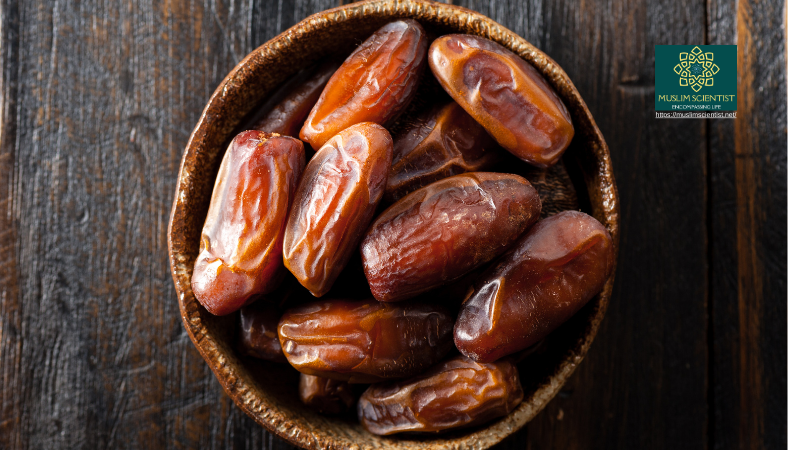
For centuries, across cultures and continents, the humble date fruit has been more than just a sweet treat. Particularly in the Middle East and within Islamic tradition, consuming dates (Phoenix dactylifera L.) in the final weeks of pregnancy and during labor has been a trusted practice, believed to ease delivery and ensure the well-being of mother and child. But does this tradition hold up under the rigorous lens of modern science? A massive new research review, analyzing data from over 48 studies, provides compelling—and encouraging—answers.
A comprehensive systematic review and meta-analysis published in BMC Pregnancy and Childbirth has synthesized global research to investigate the efficacy and safety of date fruit consumption during the peripartum period—the time from late pregnancy through postpartum. The findings suggest that this natural, integrative approach can significantly benefit several key aspects of childbirth and recovery.
The Science Behind the Sweetness: Why Dates?
Dates are nutritional powerhouses. They are rich in fast-acting sugars (fructose and glucose) for energy, fiber, tannins, and essential minerals like potassium, magnesium, calcium, and iron. Crucially for childbirth, they contain compounds that mimic the hormone oxytocin, which stimulates uterine contractions. They also have serotonergic effects that may help with pain perception and contain elements believed to strengthen uterine muscles and aid in postpartum recovery.
Despite this biochemical rationale and centuries of anecdotal evidence, clinical studies have sometimes shown mixed results. This latest review, the most extensive and updated to date (including studies published up to April 2023), aimed to cut through the noise by pooling data from thousands of participants.
The Verdict: Significant Benefits Across the Birth Journey
The meta-analysis revealed that date consumption, when integrated with standard care, offers a range of statistically significant benefits, broken down by timing:
In Late Pregnancy (e.g., last 4 weeks):
- Shortened Pregnancy & Labor: Reduced the length of gestation and significantly shortened the early (latent) and active phases of labor, as well as the first and third stages of delivery.
- Improved Readiness for Birth: Increased cervical dilation (CD) upon arrival at the hospital and improved the Bishop score (a measure of cervical readiness for labor).
- More Natural Onset: Increased the rate of spontaneous labor by 32% and reduced the need for medical labor induction by 52%.
- Better Delivery Outcomes: Increased the likelihood of a spontaneous vaginal delivery by 9%.
During Labor:
- Faster Progress: Reduced the total duration of labor and specifically shortened the active phase and first stage.
- Improved Cervical Dilation: Significantly increased cervical dilation measured just two hours after consumption.
After Birth (Postpartum):
- Increased Breast Milk Quantity: Boosted the volume of breast milk produced.
- Reduced Bleeding: Significantly decreased the rate of postpartum hemorrhage.
- Improved Maternal Health: In the third trimester, supplementation with dates alongside iron tablets increased maternal hemoglobin levels more than iron alone in women with mild anemia.
Table 1: Key Positive Outcomes of Date Consumption in Late Pregnancy
| Outcome Measure | Effect of Date Consumption | Impact |
|---|---|---|
| Need for Labor Induction | Reduced by 52% | Much higher chance of natural labor start |
| Spontaneous Labor Onset | Increased by 32% | More bodies ready on their own timeline |
| Cervical Dilation on Admission | Significantly Increased | Body is better prepared for delivery |
| Spontaneous Vaginal Delivery | Increased by 9% | Slightly higher chance of unassisted birth |
| Duration of Early (Latent) Labor | Shortened by ~3.5 hours | Less time in the prolonged, early phase |
Safety, Dosage, and Important Nuances
The review recorded no adverse effects from date consumption in the four trials that monitored for them. However, the authors caution that the overall quality of evidence from the included studies is low to moderate, and more high-quality research is needed—especially on the safety profile for women with conditions like gestational diabetes, given dates’ high sugar content.
Table 2: Practical Insights for Consideration
| Aspect | What the Research Suggests |
|---|---|
| Optimal Timing | Benefits seen with consumption in late pregnancy (from 36-37 weeks), during labor, and postpartum. |
| Typical Dosage (Late Pregnancy) | Most studies used 6-7 pieces (approx. 60-80 grams) per day. |
| Form | Effective in pure fruit, syrup, or juice forms. |
| For Labor Duration | During labor, a dose of 200-700 grams (approx. 6+ pieces) showed a dose-response effect on shortening the second stage. |
| Key Consideration | Should be considered integrative care (with standard medical care), not a replacement. Consult your healthcare provider. |
Importantly, the analysis found that most fetal and neonatal outcomes (like APGAR scores and birth weight) were not negatively affected and were similar between date consumers and those with standard care alone. The benefits appear focused on maternal labor processes and recovery.
A Call for More Research and Informed Choices
The study’s authors, while encouraged by the results, emphasize that more well-designed clinical trials are necessary. They call for research to pinpoint the optimal dosage, duration, and variety of dates and to rigorously document safety, especially in diverse populations.
Reference: here
Other Articles: