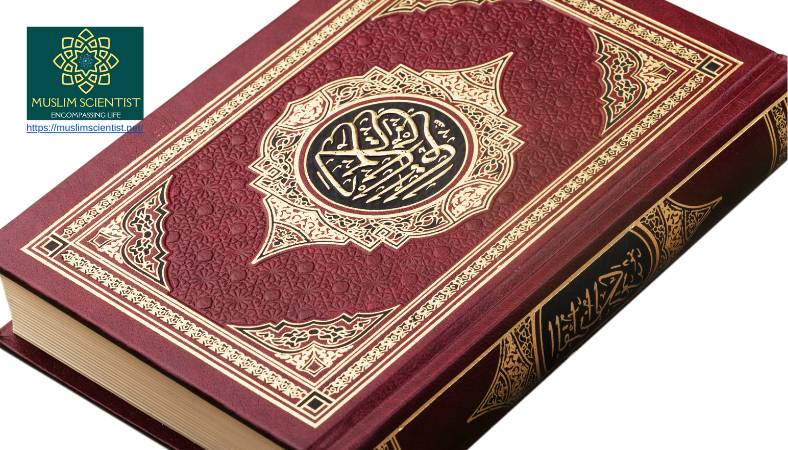
The journey to recovery after open-heart surgery is often paved with pain. For the hundreds of thousands of patients worldwide who undergo Coronary Artery Bypass Graft (CABG) surgery each year, managing postoperative pain is a critical, yet challenging, part of healing. Now, a groundbreaking randomized controlled trial published in Critical Care Research and Practice offers compelling evidence for a powerful, non-pharmacological tool rooted in spiritual practice: listening to the recitation of the Holy Quran.
The study, conducted across four major hospitals in Amman, Jordan, found that patients who listened to the Quran for just 20 minutes a day experienced a dramatic reduction in pain and were discharged from both the Intensive Care Unit (ICU) and the hospital significantly faster than those who received standard care alone.
The Science of Suffering and a Spiritual Solution
CABG surgery, while life-saving, is physically traumatic. Up to 75% of patients report moderate to severe pain in the first 48 hours post-surgery, stemming from the sternal incision, vein harvesting, and drainage tubes. This pain isn’t just about discomfort; it triggers a stress response that can strain the heart, hinder breathing, increase the risk of pneumonia, and prolong recovery.
While opioid painkillers are commonly used, they come with side effects like nausea, constipation, and respiratory depression. This has spurred growing interest in non-pharmacological adjunct therapies—methods that address the psychological and spiritual dimensions of pain without additional medication.
“Pain is a complex experience—physical, emotional, and spiritual,” explain the study’s authors. “Modern pain management must look beyond the pill bottle. For many patients, spiritual care is not a luxury; it’s an essential component of holistic healing.”
The Trial: Methodology and Measurable Results
The research team enrolled 132 patients scheduled for elective CABG surgery. After being randomly assigned, 66 patients formed the intervention group, while the other 66 received usual care, serving as the control.
The intervention was elegantly simple. On the second and third days after surgery, once patients were alert and breathing on their own, those in the intervention group used headphones to listen to a 10-minute recitation of Surah Al-Rehman (chosen for its rhythmic, soothing quality) by the renowned Qari Abdul Basit. This was done twice daily, at 10 AM and 2 PM.
The results, analyzed with rigorous statistical methods, were striking:
1. Significant Pain Reduction: Pain was measured on a standard 0-10 scale. While both groups started with similar pain levels (around 7/10), the intervention group saw their pain plummet to an average of 4.65 after the two-day listening period. The control group’s pain only decreased to 5.45. This difference was both statistically significant and clinically meaningful for the patients.
2. Faster Recovery and Discharge: The impact extended beyond pain. Patients who listened to the Quran spent, on average, 1.38 fewer days in the ICU (5.0 days vs. 6.38 days) and a staggering 4.86 fewer days in the hospital overall (10.15 days vs. 15.01 days).
Table 1: The Impact on Pain & Recovery (Intervention vs. Control Group)
| Measure | Intervention Group | Control Group | Benefit & Significance |
|---|---|---|---|
| Pain Score (0-10) After Intervention | 4.65 | 5.45 | Greater pain relief (p < 0.05) |
| ICU Length of Stay | 5.0 days | 6.38 days | ~1.4 days shorter ICU stay (p < 0.05) |
| Hospital Length of Stay | 10.15 days | 15.01 days | ~5 days earlier discharge (p < 0.05) |
Why Does It Work? The Physiology of Faith
The study delves into the potential mechanisms behind these results. Listening to the rhythmic, melodic recitation of the Quran is believed to:
- Stimulate Alpha Brain Waves: These waves are associated with a state of relaxed alertness and calm.
- Promote Endorphin Release: The body’s natural “feel-good” and pain-relieving chemicals.
- Activate the Relaxation Response: Counteracting the stress-induced “fight or flight” mode, which lowers heart rate, blood pressure, and muscle tension.
- Provide Cognitive Distraction: Gently diverting the patient’s focus away from the sensation of pain.
Furthermore, for the devout, this practice transcends simple music therapy. It is a form of dhikr (remembrance of God) and spiritual connection, which can instill profound peace, hope, and a sense of divine support during a vulnerable time. This psychological comfort directly impacts physiological recovery.
“The recitation could soothe patients’ hearts, heal their pains, and enhance mental health,” the authors note. “Reducing pain helps patients breathe deeper and move sooner, which directly prevents complications like pneumonia—a major reason for extended hospital stays.”
Table 2: Potential Benefits of the Quran Recitation Intervention
| Benefit Category | Specific Advantages |
|---|---|
| Clinical | Reduces pain scores, shortens ICU/hospital stay, may lower need for opioids, decreases complication risk. |
| Practical | Zero cost, no medical side effects, easy to implement, requires minimal staff training. |
| Patient-Centered | Addresses spiritual needs, empowers patients, provides comfort and familiarity, reduces anxiety. |
| Systemic | Reduces healthcare costs, improves hospital bed turnover, aligns with holistic care models. |
Implications for Global Healthcare
This research has significant implications. It provides robust, evidence-based support for integrating spiritual care into standard postoperative recovery protocols, particularly in regions with large Muslim populations. The intervention is cost-effective, risk-free, and places no additional burden on nursing staff.
“Since patients’ outcomes were significantly better, nurse managers and clinicians would encourage spiritual care including listening to recitation of the Holy Quran for patients following post-CABG,” the study concludes.
The researchers call for further studies to optimize the timing and duration of listening and to explore its effects on pain during other painful procedures like chest tube removal.
A Universal Message of Holistic Healing
While this study focused on the Quran, its findings echo a universal principle in healthcare: healing is multidimensional. The powerful intersection of faith, science, and compassion showcased in this Jordanian trial offers a compelling blueprint for more empathetic, effective, and holistic medical care worldwide. It reaffirms that sometimes, the most advanced healing tools are not found in a pharmacy, but in the timeless practices that nourish the human spirit.
Reference: here
Other Articles: