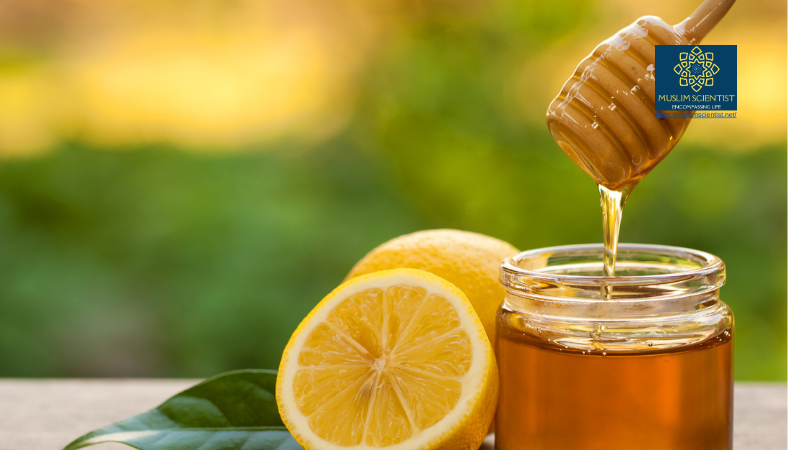
A sweeping new scientific review consolidates millennia of wisdom with cutting-edge research, positioning raw honey—especially varieties like Manuka—as a powerful, natural ally in the global fight against antibiotic resistance and chronic wounds.
In an era where common infections are becoming untreatable due to antibiotic resistance, scientists are turning back the clock, looking intently at one of humanity’s oldest remedies: honey. Far more than a natural sweetener, honey is emerging from modern laboratories as a sophisticated, multi-targeted antimicrobial agent, capable of combating some of the most feared “superbugs” and revolutionizing wound care.
A comprehensive review published in the journal Antibiotics, synthesizing hundreds of studies, delivers a powerful message: honey’s medicinal properties, celebrated since ancient Egypt and Greece, are not folklore but fact, validated by rigorous science. With its unique ability to kill resistant bacteria, dismantle protective biofilms, reduce inflammation, and speed up healing, honey is being repositioned from a pantry staple to a promising frontier in integrative medicine.
The Scale of the Problem: Why We Need Alternatives
The World Health Organization calls antimicrobial resistance (AMR) one of the top ten global public health threats. Bacteria like Methicillin-resistant Staphylococcus aureus (MRSA) and Pseudomonas aeruginosa have evolved to shrug off our best drugs, leading to longer hospital stays, higher medical costs, and increased mortality. Concurrently, chronic wounds—like diabetic foot ulcers—plague millions, often succumbing to these resilient infections. The search for new weapons is desperate and urgent.
Honey’s Multifaceted Arsenal: How a Simple Food Fights So Hard
The review highlights that honey isn’t a one-trick pony. Its antimicrobial power comes from a synergistic combination of physical and chemical properties:
- The Osmotic Attack: Honey is a supersaturated sugar solution. This creates a high osmotic pressure that literally draws water out of bacterial cells, dehydrating and killing them.
- Acidic Environment: With a pH between 3.2 and 4.5, honey creates an inhospitable environment for most pathogens.
- Hydrogen Peroxide Factory: An enzyme added by bees, glucose oxidase, slowly releases low levels of hydrogen peroxide—a potent antiseptic—when honey is diluted (as in a wound).
- Special Compounds: Certain honeys, most famously Manuka from New Zealand, contain high levels of methylglyoxal (MGO), a compound with exceptional non-peroxide antibacterial activity.
- Biofilm Buster: Perhaps most crucially, honey can disrupt and penetrate microbial biofilms—the slimy, protective fortresses bacteria build on wounds and medical implants that render antibiotics useless.
- Anti-inflammatory & Healing Boost: Beyond killing germs, honey reduces swelling, eases pain, and stimulates the growth of new blood vessels and tissue.
Table 1: Honey’s Multi-Target Attack on Bacteria & Wounds
| Mechanism of Action | Key Components Involved | Effect on Infection/Wound |
|---|---|---|
| Physical Osmotic Shock | High fructose/glucose concentration | Dehydrates and kills microbial cells on contact. |
| Chemical Warfare | Hydrogen peroxide, Methylglyoxal (MGO), Phenolic acids | Damages bacterial cell walls, proteins, and DNA. |
| Biofilm Disruption | Multiple synergistic components | Breaks down the protective “fortress” around bacteria, exposing them. |
| pH Control | Organic acids (e.g., Gluconic acid) | Creates an acidic environment hostile to most pathogens. |
| Immunomodulation | Antioxidants (flavonoids, polyphenols) | Reduces harmful inflammation and oxidative stress at the wound site. |
| Pro-Healing Environment | Various bioactive compounds | Stimulates tissue regeneration and angiogenesis (new blood vessel formation). |
Not All Honey is Created Equal: The Medicinal Powerhouses
The floral source dictates honey’s therapeutic profile. The review catalogs varieties from around the world, noting standouts for clinical use:
- Manuka Honey (New Zealand/Australia): The most clinically researched, famed for its stable, non-peroxide activity linked to its MGO content and Unique Manuka Factor (UMF) rating. A gold standard for medicinal honey.
- Tualang Honey (Southeast Asia): Studied extensively for wound healing, particularly for burns, showing efficacy comparable to specialized dressings.
- Sidr Honey (Yemen/Middle East): Highly prized in traditional medicine, shown to have strong antibacterial activity.
- Buckwheat & Heather Honeys (Global): Dark honeys often packed with high levels of antioxidants and polyphenols, contributing to their antimicrobial strength.
Table 2: A Sampling of Medicinal Honeys & Their Proven Strengths
| Type of Honey | Key Bioactive Components | Clinically Studied Strengths |
|---|---|---|
| Manuka | Methylglyoxal (MGO), Leptosperin | Potent against MRSA, disrupts biofilms, promotes healing in chronic wounds (e.g., diabetic ulcers). |
| Tualang | High antioxidant phenolics | Effective in burn wound contraction and healing, antimicrobial. |
| Medical-Grade (Sterilized) | Standardized activity (often gamma-irradiated) | Used in FDA-cleared wound dressings (e.g., Medihoney™) for post-surgical care, leg ulcers. |
| Buckwheat | High levels of polyphenols | Strong antioxidant and antibacterial activity, useful in wound care. |
| Jarrah (Australian) | High peroxide activity | Effective against a broad spectrum of skin pathogens. |
From Lab to Bedside: Real-World Applications
The research is translating into tangible medical benefits:
- Chronic Wound Care: Honey dressings are successfully managing diabetic foot ulcers, venous leg ulcers, and pressure sores, often where conventional treatments have failed. They keep the wound moist, clean, and promote granulation tissue.
- Burn Management: Studies show honey-impregnated gauze can reduce healing time and infection rates in burns compared to some standard dressings.
- Post-Surgical Care: Used to prevent infection and improve healing in procedures like tonsillectomies.
- Future Frontiers: Research is exploring honey’s role in skincare, oral health (against gingivitis), and even as a synergistic agent to “re-sensitize” bacteria to existing antibiotics.
Challenges and the Path Forward: Making the Golden Remedy Reliable
The review doesn’t shy away from hurdles. The main challenge is variability and standardization. The antimicrobial strength of supermarket honey is unpredictable. For consistent medical results, professionals use medical-grade honey—carefully selected, sterilized (via gamma irradiation), and standardized for activity.
Other challenges include:
- Adulteration: Some commercial honey is cut with sugar syrups, destroying its therapeutic value.
- Lack of Global Standards: Definitions for “active” honey can vary.
- Need for More Trials: While evidence is robust, larger-scale, standardized human clinical trials are encouraged.
Conclusion: A Sweet Spot in Modern Medicine
The narrative is clear. Honey is no “alternative” remedy in the pejorative sense. It is a complex, natural biochemical cocktail whose time for serious medical integration has come. As lead author Matthew C. Ogwu states, honey offers “a promising complementary treatment in antimicrobial therapy.”
For the public, the takeaway is twofold:
- For serious medical use (treating a wound at home), consult a healthcare provider about using a sterilized, medical-grade honey product, not raw honey from a jar.
- As a society, supporting research and standardization of this ancient remedy could unlock a sustainable, effective tool to preserve the power of our existing antibiotics and heal stubborn wounds.
In the relentless battle between humans and pathogens, we may have had a powerful, if sticky, ally in our cupboard all along. Science is now giving us the recipe to use it wisely.
Reference: here
Other Articles: