In a systematic review, researchers reveal camel urine as a powerhouse of bioactive compounds battling deadly pathogens. This natural desert elixir shows strong antibacterial, antifungal, and antiviral effects, often outperforming antibiotics against drug-resistant bugs like MRSA and multidrug-resistant E. coli. Traditional healers in arid regions have long praised it for treating infections, wounds, and even tuberculosis—now science backs these claims with data from 19 rigorous studies spanning Saudi Arabia, Sudan, Egypt, and beyond.
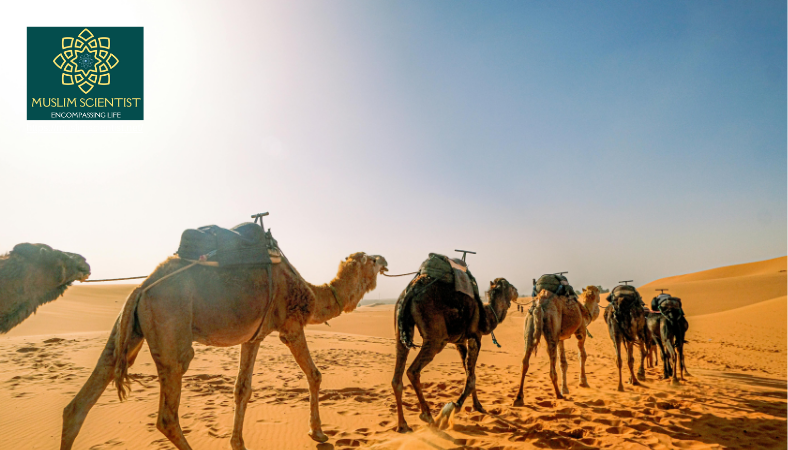
Camels thrive in harsh deserts, munching salty shrubs that infuse their urine with minerals like potassium, magnesium, and zinc—key players in its microbe-killing prowess. The review, covering research up to 2022, analyzed over 129,000 articles, narrowing to 19 that tested camel urine (CU) on real-world threats. Concentrated or heated CU created inhibition zones up to 32 mm against E. coli and Pseudomonas aeruginosa, while bioactive extracts like PMF (Prophet Medicine Fraction) slashed H1N1 virus replication by 99%. These findings spotlight CU’s potential in our antibiotic crisis era, where superbugs claim millions of lives yearly.
Battling Bacteria: Gram-Positive and Gram-Negative Victories
Camel urine packs a punch against gram-positive bacteria like Staphylococcus aureus, the infamous MRSA culprit behind skin infections and sepsis. Studies showed inhibition zones of 30 mm for concentrated CU on S. aureus—larger than many standard antibiotics—and healed rabbit burn wounds faster than dicloxacillin (48 hours vs. 72+). Bacillus subtilis and cereus fell with zones up to 25 mm and 22 mm, proving CU’s broad-spectrum edge even on resistant strains.
Gram-negative foes like E. coli (urinary tract and diarrhea kingpin) faced 30 mm zones from male camel urine, outpacing gentamicin in rabbit trials (15-hour recovery vs. 24). Klebsiella pneumoniae, a hospital superbug with 47% fatality, saw 18.6 mm inhibition, while Pseudomonas aeruginosa—WHO’s critical priority—yielded to 32 mm zones. Even Mycobacterium tuberculosis, tuberculosis scourge, responded to PMF like rifampicin. Encouragingly, virgin female camel urine excelled on multidrug E. coli from mastitic cows, hinting at purity’s power.
| Gram-Positive Bacteria | Key Inhibition Zone (mm) | Study Highlights |
|---|---|---|
| Staphylococcus aureus | 30 (concentrated CU) | Outperforms fresh urine; effective on MRSA |
| Bacillus subtilis | 25 (PM-701 extract) | Hydrolyzed CU boosts to 17 mm |
| Bacillus cereus | 22 (sterilized CU) | Heals burns faster than antibiotics |
| Micrococcus luteus | 21 | Consistent across treatments |
This table showcases CU’s reliable wins, fueling hope for natural alternatives.
Fungi and Viruses No Match for Desert Power
Fungal foes crumbled too: Candida albicans zones hit 44 mm after storage, rivaling nystatin, while Aspergillus niger reached 43 mm—vital for ear infections and food spoilage. Dermatophytes causing ringworm and nail infections? CU’s MIC beat fluconazole: 0.625 µg/ml on Trichophyton violaceum, 1.25 µg/ml on T. rubrum. Plant pathogens like Fusarium oxysporum (39 mm) suggest agricultural uses.
Virally, PMF zapped vesicular stomatitis virus in 75 minutes and H1N1 by 99.99% in 4 hours; MERS-CoV modeling showed 99.5% drop. Chemicals like phenols (p-cresol), acids (salicylic, cinnamic), and minerals explain this: zinc denatures proteins, copper ruptures membranes.
| Antifungal MIC (µg/ml) | Dermatophyte/Fungus | Edge Over Drugs |
|---|---|---|
| 0.625 | Trichophyton violaceum | Surpasses fluconazole |
| 1.25 | T. rubrum, T. mentagrophytes | Equals ketoconazole |
| 2.5 | Microsporum canis | 90% inhibition rate |
| N/A (44 mm zone) | Candida albicans | Stable post-heating/storage |
These metrics highlight CU’s encouraging antifungal superiority.
Why It Works: Bioactives from Desert Diet
CU’s magic stems from 72 GCMS-identified compounds: 34 antimicrobials like oxalic acid (MIC 0.3 mg/ml on E. coli), linolenic acid (1 mg/ml on Bacillus), and bacteriophages lysing cells. High pH (7.8), salts from halophyte plants (e.g., Acacia, Salsola), and enzymes like lysozyme shred bacterial walls and viral epitopes. No toxicity on human cells, plus synergy with antibiotics, positions CU for drug development—though standardization and trials are needed.
Researchers urge global collaboration: isolate compounds, test synergies, run human trials. As superbugs surge, this camel gift could revolutionize medicine, blending ancient wisdom with modern science.
Reference: here
Other Articles: