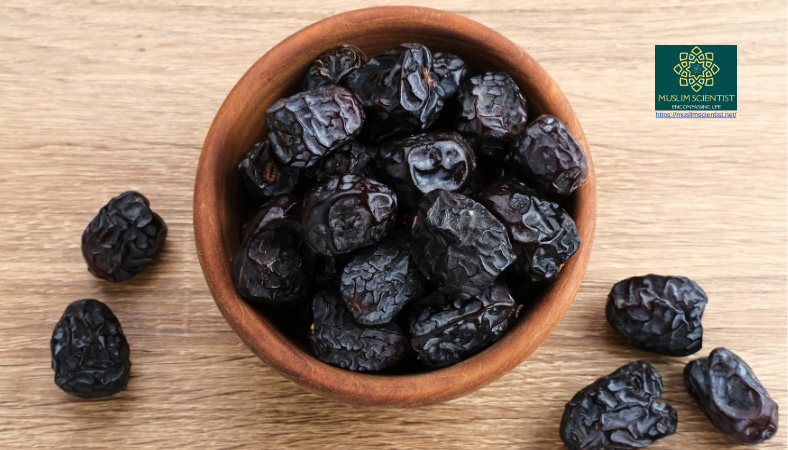
In a world where stress and depression are at epidemic levels, a new scientific study offers a glimmer of hope from an ancient, humble source: the Ajwa date. Published in Scientific Reports, a pioneering animal study provides compelling evidence that extracts from Ajwa date fruit and its seeds possess potent antidepressant and neuroprotective effects, rivaling some pharmaceutical drugs.
The research, conducted by a team of scientists from Saudi Arabian universities, directly compared the pulp and seed of the revered Ajwa date. It found that both could significantly combat the behavioral and biochemical hallmarks of depression induced by chronic mild stress—and that the sweet fruit pulp might be even more powerful than the seed.
The Modern Mental Health Crisis and the Search for Natural Solutions
Depression is a complex disorder often triggered by chronic stress. It’s not just a feeling of sadness; it involves a cascade of biological events: an overactive stress response (HPA axis), rampant oxidative stress that damages brain cells, and chronic neuroinflammation. While medications like SSRIs exist, they are ineffective for about one-third of patients and often come with significant side effects.
This has led scientists on a global quest for safer, natural alternatives. “Due to the limited effectiveness and potential side effects of traditional antidepressants, there is growing interest in exploring alternative therapies,” the study authors note. Foods with high antioxidant and anti-inflammatory properties, termed “nutraceuticals,” have become prime candidates. The Ajwa date, a staple in Middle Eastern culture long prized for its health benefits, has now entered the spotlight of modern psychopharmacology.
The Experiment: Putting Dates to the Test Against Chronic Stress
The researchers designed a robust experiment using a well-validated “Chronic Mild Stress” (CMS) model in mice—a simulation of the unpredictable, low-grade stresses of human life that can lead to depression.
For three weeks, one group of mice was subjected to various mild stressors (like temporary immobilization, cage tilting, or darkness), while receiving no treatment. Other groups received either:
- Ajwa Date Seed Powder extract (ADSP) at low (400 mg/kg) or high (800 mg/kg) doses.
- Ajwa Fruit Pulp extract (AFP) at low (500 mg/kg) or high (1000 mg/kg) doses.
- Imipramine, a standard tricyclic antidepressant drug, for comparison.
The team then measured everything: depressive behaviors, stress hormones, brain oxidative damage, and key inflammatory markers.
The Results: A Comprehensive Victory for Ajwa Dates
The findings were striking and consistent across multiple parameters. The date extracts didn’t just help a little; they produced significant, dose-dependent improvements.
1. Behavioral Despair and Anhedonia Reversed
Two key tests measured depression-like behavior:
- Tail Suspension Test (TST): Measures “behavioral despair.” Stressed, untreated mice gave up and remained immobile. Mice treated with high-dose AFP reduced immobility time as effectively as the drug imipramine.
- Sucrose Preference Test (SPT): Measures “anhedonia” (loss of pleasure). Stressed controls lost interest in sweet water. Treatment with both date extracts fully restored the desire for sucrose, with AFP showing a slightly stronger effect.
2. Taming the Stress Hormone and Oxidative Fire
Chronic stress floods the body with cortisol (corticosterone in mice) and generates oxidative free radicals that damage the brain.
- Both extracts significantly lowered plasma corticosterone, with high-dose AFP bringing it down to near-normal levels.
- They drastically reduced nitrite levels (a marker of nitrosative stress) and malondialdehyde (MDA) in the brain (a key marker of lipid peroxidation and neuronal damage).
3. Supercharging the Brain’s Antioxidant Defenses
The extracts didn’t just reduce damage; they actively boosted the brain’s own protective machinery.
Table 1: Boosting the Brain’s Antioxidant Army (Key Enzyme Activities)
| Treatment Group | Catalase (↑ H₂O₂ removal) | Reduced Glutathione (↑ Master antioxidant) | Superoxide Dismutase (↑ Free radical neutralizer) |
|---|---|---|---|
| Stressed Control | 35 Units/mg | 0.14 μmol/mg | 35 Units/mg |
| ADSP High Dose | 62 Units/mg (↑77%) | 0.24 μmol/mg (↑71%) | 64 Units/mg (↑83%) |
| AFP High Dose | 68 Units/mg (↑94%) | 0.24 μmol/mg (↑71%) | 75 Units/mg (↑114%) |
| Imipramine (Drug) | 56 Units/mg | 0.21 μmol/mg | 74 Units/mg |
Data derived from study results. Percent increase calculated vs. stressed control.
4. Cooling Neuroinflammation: The Fruit Pulp Takes the Lead
Perhaps the most significant finding was the extracts’ powerful impact on inflammation—a root cause of depression. They simultaneously lowered pro-inflammatory cytokines and raised anti-inflammatory ones.
Table 2: Winning the Inflammation Battle in the Brain
| Inflammatory Marker | Effect of High-Dose AFP | Biological Impact |
|---|---|---|
| TNF-α (Pro-inflammatory) | ↓ 47% (from 110 to 58 pg/ml) | Reduces a primary driver of neuroinflammation and neuronal damage. |
| IL-6 (Pro-inflammatory) | ↓ 44% (from 121 to 68 pg/ml) | Lowers a cytokine linked to depressive symptoms and sickness behavior. |
| IL-10 (Anti-inflammatory) | ↑ 65% (from 98 to 162 pg/ml) | Enhances the brain’s natural “off-switch” for inflammation, promoting repair. |
| TGF-β1 (Anti-inflammatory) | ↑ 66% (from 87 to 144 pg/ml) | Boosts a cytokine critical for immune regulation and neuroprotection. |
Data derived from study results. AFP (Ajwa Fruit Pulp) consistently outperformed the seed extract in reducing pro-inflammatory markers.
The Winner? Fruit Pulp Edges Out the Seed
While both extracts were highly effective, the study concluded that the Ajwa fruit pulp extract (AFP) demonstrated superior efficacy, particularly in modulating neuroinflammation and improving behavioral outcomes.
“The fruit pulp extract (AFP) showed superior efficacy, likely due to its higher content of bioactive phenolics and flavonoids,” the authors state. Quantitative analysis confirmed AFP had slightly higher levels of total phenols, flavonoids, and tannins. Its unique composition of compounds like apigenin and luteolin may give it a stronger edge in inhibiting inflammatory pathways like NF-κB.
Mechanism: How Do Dates Fight Depression?
The study paints a clear picture of how Ajwa dates work:
- Antioxidant Surge: The polyphenols and flavonoids in dates directly scavenge free radicals and, more importantly, upregulate the body’s endogenous antioxidant enzymes (SOD, Catalase, GSH).
- Firefighter for Inflammation: Bioactive compounds suppress the release of pro-inflammatory signals (TNF-α, IL-6) and boost anti-inflammatory ones (IL-10, TGF-β1), cooling the chronic neuroinflammation that disrupts neurotransmitter balance and neural circuits.
- Stress Hormone Regulation: By reducing oxidative and inflammatory stress, the extracts help normalize the overactive HPA axis, lowering damaging cortisol levels.
- Neuroprotection: This combined antioxidant and anti-inflammatory shield protects neurons from stress-induced damage, preserving brain function and promoting healthier mood-related behaviors.
Implications and The Road Ahead
This research is a landmark step in validating traditional wisdom with rigorous science. It positions Ajwa dates not just as a nutritious food, but as a serious candidate for nutraceutical development aimed at mental health.
Important Caveats: This is an animal study. The doses used are extracts, not equivalent to eating a few dates. Human clinical trials are the essential next step to confirm efficacy, determine optimal human dosage, and ensure safety in long-term use.
However, the implications are profound. Incorporating high-quality dates like Ajwa into a balanced diet could be a supportive strategy for managing stress and promoting brain resilience. For the pharmaceutical and nutraceutical industries, this study provides a strong rationale for developing standardized extracts of Ajwa fruit pulp as a natural, side-effect-friendly option for mild to moderate stress and low mood.
Conclusion: A Sweet Symbol of Hope
In the fight against the modern plagues of stress and depression, nature may have provided a powerful, palatable ally. The 2025 study on Ajwa dates reveals that this ancient fruit, and even its often-discarded seed, harbor a sophisticated pharmacy of compounds capable of targeting the core biological pathways of depression. While not a replacement for professional medical care, this research empowers individuals with knowledge: the simple, sweet date on your table is more than a treat—it’s a symbol of the profound healing potential still waiting to be fully unlocked in the natural world.