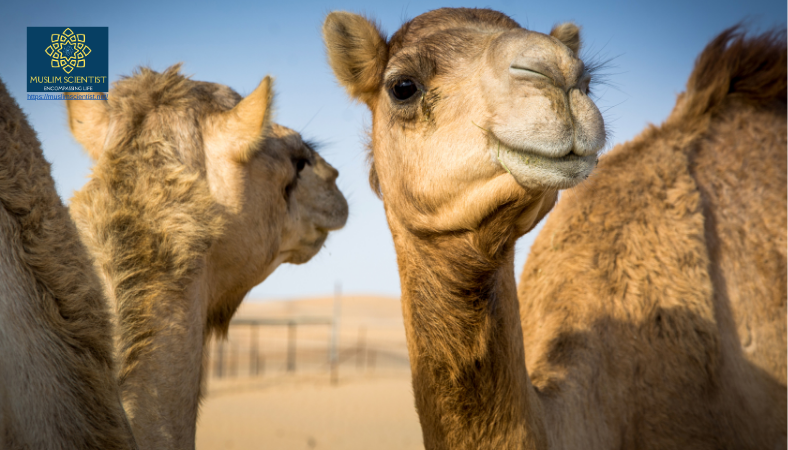
For centuries, desert nomads have revered the camel not just as a ship of the sands, but as a source of life-saving remedies. Among its most intriguing traditional medicines is its urine, used historically to treat ailments from skin infections to tuberculosis. Often dismissed by modern medicine as folklore, this ancient practice is now being scrutinized under the rigorous lens of science—and the findings are astonishing.
A systematic review has synthesized decades of research, concluding that camel urine (CU) exhibits significant antibacterial, antiviral, and antifungal activities. In an era where antimicrobial resistance (AMR) is rendering our most potent drugs ineffective, this review suggests nature may have already provided a complex, broad-spectrum solution.
From Folklore to Lab Bench: What the Science Says
Researchers from Sultan Moulay Slimane University in Morocco analyzed 19 high-quality studies from across the globe (Saudi Arabia, Sudan, Egypt, Yemen, Ethiopia). They found that camel urine, and especially a concentrated bioactive fraction called “Prophet Medicine Fraction (PMF),” is effective against a terrifying roster of pathogens.
1. Fighting Bacteria, Even the “Super” Ones:
The review shows CU is effective against both Gram-positive and Gram-negative bacteria. Most impressively, it inhibited the growth of notorious drug-resistant pathogens:
- Methicillin-resistant Staphylococcus aureus (MRSA): A common and dangerous hospital-acquired infection.
- Extended-spectrum beta-lactamase (ESBL) and Carbapenemase-producing bacteria: Including E. coli and Klebsiella pneumoniae, which cause deadly, untreatable infections.
- Pseudomonas aeruginosa: A resilient bacteria known for infecting wounds and lungs.
Table 1: Efficacy of Camel Urine Against Key Pathogenic Bacteria
| Pathogen | Disease/Condition | Key Finding from Review |
|---|---|---|
| Methicillin-Resistant S. aureus (MRSA) | Skin, wound, bloodstream infections | Showed clear inhibition zones; effective in healing infected burns in animal models faster than antibiotics. |
| Multi-drug Resistant E. coli | Urinary tract infections, sepsis | Inhibited growth at various concentrations; male camel urine sometimes showed higher activity. |
| Mycobacterium tuberculosis | Tuberculosis | The PMF fraction at 10% concentration was as effective as the drug rifampicin in inhibiting growth. |
| Pseudomonas aeruginosa | Hospital-acquired infections | Showed consistent inhibition, with concentrated CU performing best. |
2. A Surprising Antiviral Arsenal:
Perhaps most timely, the review highlighted CU’s activity against viruses. The PMF fraction demonstrated powerful effects against:
- Middle East Respiratory Syndrome Coronavirus (MERS-CoV): A close relative of other coronaviruses. PMF reduced viral titre by 99.5% within 60 minutes.
- Influenza A (H1N1) virus: Inhibited 98.9% of the virus after just one hour of exposure.
- Vesicular Stomatitis Virus (VSV).
3. Potent Antifungal Properties:
CU was also effective against common and stubborn fungi, outperforming some standard drugs:
- Dermatophytes (like Trichophyton species causing ringworm): CU’s minimal inhibitory concentration (MIC) was extremely low (as low as 0.625 µg/ml), surpassing the performance of the synthetic drug fluconazole.
- Candida albicans: A cause of thrush and yeast infections.
- Aspergillus flavus: A fungus that produces toxic aflatoxins.
Table 2: Antifungal Power Against Dermatophytes (Skin Fungi)
| Fungal Species | Condition Caused | Minimal Inhibitory Concentration (MIC) of CU | Comparison to Drug Fluconazole |
|---|---|---|---|
| Trichophyton violaceum | Ringworm, skin infections | 0.625 µg/ml | More effective |
| Microsporum canis | Ringworm (from pets) | 2.5 µg/ml | More effective |
| Trichophyton rubrum | Athlete’s foot, nail fungus | 1.25 µg/ml | More effective |
Why Does It Work? The Chemistry Behind the Miracle
The review clarifies that camel urine isn’t a simple waste product; it’s a cocktail of bioactive compounds. Camels’ unique diet of salty, thorny desert plants (halophytes) that other livestock avoid leads to a highly alkaline urine rich in minerals and unique metabolites. Key components identified include:
- High pH & Minerals: Its alkalinity (high potassium, magnesium, calcium) and content of zinc and copper ions disrupt microbial cell walls and replication.
- Antimicrobial Compounds: Scientists have identified over 70 compounds, including phenolic acids (e.g., benzoic, cinnamic acid), organic acids (e.g., oxalic, azelaic acid), and phenols (e.g., p-cresol), each with known antimicrobial properties.
- Natural Defenders: Some studies suggest the presence of lysozyme enzymes, natural antibodies, and even bacteriophages (viruses that kill bacteria) within CU contribute to its effects.
A Note of Caution and The Path Forward
The authors are unequivocal: This is not a recommendation for self-treatment. Raw camel urine can carry pathogens and its unstandardized use is dangerous. The excitement is for its potential as a source for new drug development.
“The limited number of papers… have predominantly originated only from a few Arabian countries,” the study notes, calling for international collaboration. The next crucial steps are:
- Isolation & Purification: Identifying the single most effective molecules or synergistic combinations from CU’s complex mixture.
- Standardization: Creating consistent, safe, and controlled pharmaceutical formulations.
- Clinical Trials: Rigorous testing in humans to confirm efficacy and safety.
Conclusion: An Ancient Answer to a Modern Crisis
This systematic review bridges ancient wisdom and cutting-edge science. It transforms camel urine from a historical curiosity into a serious, promising candidate in the urgent hunt for novel antimicrobials. While not a magic bullet, it represents a powerful testament to biodiversity and traditional knowledge. As we face a future where simple infections could once again become lethal, the desert’s resilient “ship” might just be guiding us toward a new port in the storm of antimicrobial resistance.
Reference: here
Other Articles: