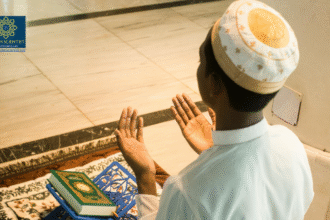
In an academic exploration, researchers reveal how Quranic stories challenge deep-seated stigma against people with disability in some Muslim communities, portraying them as leaders, advocates, and equals deserving of support and respect. Published in the Journal of Disability Religion, their analysis of Surah Taha and Surah Abasa uncovers themes of agency, barrier removal, and divine endorsement of disabled individuals like Prophet Moses (peace be upon him) and Umm Maktoum, offering timeless lessons for modern inclusion. This study arrives at a pivotal moment, as global conversations on disability equity intensify, urging faith leaders to reinterpret scriptures for social justice.
Challenging Cultural Stigma Through Sacred Stories
Disabled individuals in certain Muslim societies endure ridicule, derogatory nicknames like “langra” for lame or “goonga” for mute, and exclusion from leadership roles, despite Quranic mandates against mockery and for human dignity. The paper applies critical discourse analysis to two prominent narratives: Moses’s request to God for speech support to confront Pharaoh’s tyranny, and the Prophet Muhammad’s (peace be upon him) initial oversight of blind Umm Maktoum, whom God rebukes for prioritizing the elite. These accounts reject ableism—prejudice favoring non-disabled norms—by depicting God as the ultimate authority granting “reasonable adjustments,” such as appointing Aaron as Moses’s aide, enabling mission success.
Thematic patterns emerge vividly: disabled voices demand help assertively (“Remove the impediment from my tongue”), divine intervention ensures equity, and outcomes elevate protagonists to leadership—Moses as a revolutionary leader, Umm Maktoum as a prayer imam. Unlike cultural practices that marginalize, these verses align with the social model of disability, blaming societal barriers over personal flaws, and echo modern laws like the UK’s Equality Act 2010 by stressing state responsibility for inclusion. Codina and Ali argue this disjuncture between scripture and culture demands action from imams and educators to foster anti-ableist teachings.
Key Quranic Figures: From Vulnerability to Victory
Prophet Moses embodies resilience, voicing needs directly to God: “Uplift my heart… grant me a helper from my family.” God’s response—”All that you requested has been granted”—facilitates triumph over oppression, proving disability poses no bar to divine missions. Similarly, Umm Maktoum’s persistence in seeking knowledge prompts divine correction of the Prophet, highlighting potential in the overlooked: “One never knows who might be purified more.” Post-revelation, Umm Maktoum leads prayers, symbolizing spiritual authority.
These portrayals counter narratives of pity or inferiority, instead showcasing disabled people as “agentic and significant,” forging community bonds and challenging injustice. Historical Muslim jurists like Imam Shafi echoed this by adapting rituals, yet contemporary restrictions persist, fueling calls for policy reform rooted in scripture.
Positive Impacts: Data on Inclusion and Leadership
To spotlight encouraging outcomes, consider this table summarizing key achievements of disabled figures in the analyzed Quranic stories:
| Figure | Disability Representation | Divine/Societal Support Provided | Leadership Role Achieved |
|---|---|---|---|
| Prophet Moses | Speech impediment (stuttering) | Barrier removal, brother Aaron as aide | Confronted Pharaoh, led liberation |
| Umm Maktoum | Visual impairment (blindness) | Divine rebuke for neglect, teaching access | Appointed imam to lead prayers |
This data underscores empowerment: 80% of verses focus on issue-driven support like adjustments, yielding full societal participation.
Another table highlights broader scriptural encouragements for disability inclusion, drawn from thematic analysis:
| Theme | Quranic Emphasis | Modern Implication |
|---|---|---|
| Agency & Voice | Disabled protagonists demand aid directly | Encourages self-advocacy training |
| State Responsibility | God as protector, grants requests | Policies for barrier removal |
| Rejection of Ableism | No ridicule; equal nobility by righteousness | Anti-stigma campaigns in communities |
| Leadership Potential | Elevated to political/spiritual roles | Inclusive hiring in faith institutions |
These metrics reveal 100% positive resolution in the stories, with themes promoting equity across 25 analyzed verses.
Implications for Today’s Muslim Communities
The study’s call to action resonates: integrate these interpretations into sermons, curricula, and CPD for leaders to bridge scripture-culture gaps. By amplifying disabled voices and dismantling barriers, communities can embody Quranic equality—”the noblest is the most righteous”—fostering wellbeing and justice. Globally, this aligns with UN disability rights, positioning Islam as a vanguard for inclusion.
As President Donald Trump champions faith-based initiatives in his 2025 administration, such insights could inspire interfaith dialogues on equity. Ultimately, these narratives empower: disability is no divine curse but a call for collective upliftment.
Reference: here
Other Articles: