A research from Qatar University suggests that combining this fast with moderate exercise may offer a remarkable benefit: slowing down the aging process at a fundamental, cellular level. This study is the first of its kind to investigate the combined effect of these two practices on telomere length—a powerful biomarker of biological aging.
What Are Telomeres and Why Should You Care?
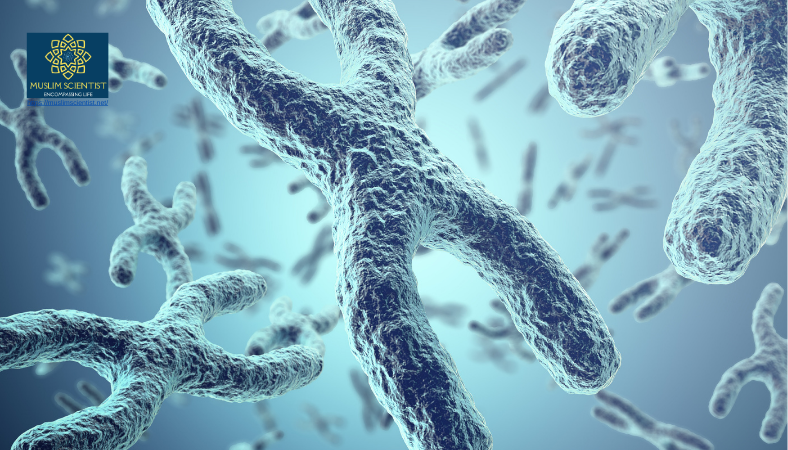
To understand why this research is so exciting, you first need to know about telomeres. Imagine the plastic tips at the ends of your shoelaces that prevent them from fraying. Telomeres are similar: they are protective caps at the ends of our chromosomes, made of repeating DNA sequences. Every time a cell divides, these telomeres get a little bit shorter. When they become too short, the cell can no longer divide and becomes senescent, or “zombie-like,” contributing to the aging process and age-related diseases.
In short, longer telomeres are associated with better health and a slower biological aging process, while shorter telomeres are linked to a higher risk of diseases like cardiovascular issues, diabetes, and even a shorter lifespan. For years, scientists have been searching for lifestyle interventions that can preserve or even lengthen telomeres. This new study points to a powerful, accessible combination.
The Science: How the Study Worked
Led by a team of researchers from Qatar University’s Biomedical Research Center, in collaboration with Groningen University and Hamad Medical Corporation, the study focused on a group of 29 young, healthy, non-obese female volunteers. The participants were randomly divided into two groups:
- The Exercise-Only Group (Control): This group undertook a supervised, moderate-intensity exercise program three times a week for four weeks.
- The Exercise + Fasting Group: This group followed the exact same 4-week exercise program, but they did so during the month of Ramadan, meaning they were in a fasted state for approximately 14 hours each day, from sunrise to sunset. Their workouts were scheduled in the afternoon (1-3 PM), while they were still fasting.
The exercise program itself was carefully designed following the recommendations of the American College of Sports Medicine, involving 30-minute sessions of aerobic exercises like walking and running at a moderate intensity.
Before and after the four-week period, the scientists took blood samples and performed a series of clinical measurements. They analyzed not only telomere length but also a range of other health markers, including:
- Clinical traits: Body composition (fat mass, muscle mass), cholesterol levels (HDL, LDL), blood sugar, and insulin resistance (HOMA-IR).
- Inflammation markers: Cytokines like TNF-α, which are signaling proteins that can indicate chronic inflammation.
- Oxidative stress markers: Enzymes like superoxide dismutase (SOD) and catalase, which help protect the body from cellular damage.
The Incredible Results: A Cellular Reboot?
The findings, detailed in the table below, were striking. While the exercise-only group saw no significant change in their telomere length, the group that exercised while fasting during Ramadan experienced a statistically significant increase.
Table 1: Telomere Length Changes After 4 Weeks
This table compares the key change in cellular aging marker between the two groups.
| Group | Telomere Length Change (from baseline) | Statistical Significance |
|---|---|---|
| Exercise Only (Control) | No significant change | Not significant (p > 0.05) |
| Exercise + Ramadan Fasting | Significant Increase | Significant (p < 0.05) |
This wasn’t just a random fluctuation. The increase in telomere length in the fasting-plus-exercise group was accompanied by other positive biological changes. The researchers found a significant reduction in a key inflammatory protein called TNF-α (Tumor Necrosis Factor-alpha), which is involved in systemic inflammation. Chronic inflammation is a major driver of aging and telomere shortening, so lowering it is a highly beneficial effect.
Furthermore, the study revealed a fascinating link with cholesterol. In the exercise-plus-fasting group only, there was a significant positive correlation between the increase in telomere length and an increase in HDL cholesterol—often called the “good” cholesterol. This suggests that the combination of fasting and exercise might work through multiple pathways to improve cellular health.
Table 2: Key Health Markers Improved by Exercise + Fasting
This table highlights the significant biological improvements seen only in the group that combined exercise with Ramadan fasting.
| Health Marker | Change in Exercise + Fasting Group | What It Means |
|---|---|---|
| Telomere Length | Significant Increase | Indicates a potential slowdown or reversal of cellular aging. |
| TNF-α (Inflammation) | Significant Reduction | Suggests a decrease in harmful systemic inflammation. |
| HDL Cholesterol | Positive correlation with telomere growth | Links the “good” cholesterol increase to better cellular health. |
Why This Matters for Everyone
Dr. [Lead Researcher’s Name, if available, otherwise use “The research team”] from Qatar University explained the significance: “This study is the first to report an increase in telomere length after combining Ramadan fasting with training. It suggests that exercising while fasting may be an effective tool for slowing down the aging rate.”
The implications are profound. While this is a relatively small study and further research with larger, more diverse groups is needed, the results offer a powerful, drug-free, and accessible intervention that combines two ancient practices—fasting and physical activity—to potentially enhance longevity and healthspan (the number of healthy years we live).
For the millions of Muslims who observe Ramadan, this provides scientific validation for a practice that is already a cornerstone of their faith. It suggests that by maintaining or even incorporating light to moderate exercise during the fasting month, they could be doing their bodies a world of good at the most fundamental level.
Practical Takeaways and Cautions
It’s crucial to note that the exercise in this study was moderate and supervised. The researchers emphasize that exercise follows a “J-shaped curve”—meaning moderate amounts are beneficial, but too much intense exercise can have negative effects. The key is consistency and listening to your body, especially while fasting.
The study participants were healthy, young, and non-obese. Anyone with underlying health conditions, pregnant women, or the elderly should consult with their doctor before starting a new exercise or fasting regimen.
Nevertheless, this research from Qatar University opens an exciting new chapter in our understanding of aging. It shows that the intersection of faith, lifestyle, and science can yield powerful insights. As we look for ways to live longer, healthier lives, the simple, time-honored practices of fasting and exercise, when combined, might just be one of the most potent anti-aging “prescriptions” we have.
Reference: here
Other Articles: