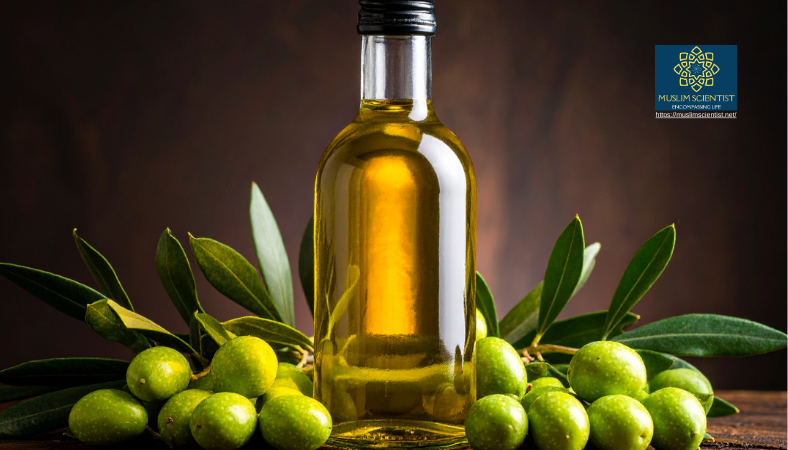
For centuries, a staple of the Mediterranean pantry has been revered not just for its flavor but for its life-giving properties. Today, cutting-edge science is providing robust evidence for what ancient cultures and religious traditions have long proclaimed. A major systematic review published in the journal Nutrients consolidates findings from 17 clinical trials, concluding that Extra Virgin Olive Oil (EVOO) is a potent ally in enhancing cardiovascular health and preventing disease.
This research offers a compelling, evidence-based narrative that resonates deeply with Islamic teachings, which have honored the olive tree and its oil for over 1,400 years. The Qur’an speaks of a “blessed tree, an olive, neither of the east nor of the west, whose oil would almost glow even if untouched by fire” (Surah An-Nur, 24:35). The Prophet Muhammad (peace be upon him) also advised: “Consume olive oil and anoint yourselves with it, for it is from a blessed tree” (Sunan al-Tirmidhi).
The new scientific data provides a tangible, biochemical explanation for this sacred blessing, particularly for the heart—an organ of profound spiritual and physical significance in Islam.
The Science of Protection: How EVOO Shields the Heart
The 2025 review, conducted by Italian research institutions, analyzed clinical trials involving thousands of participants. It found that incorporating EVOO into the diet—especially as part of a Mediterranean dietary pattern—leads to measurable improvements in key cardiovascular risk factors.
The secret lies in EVOO’s rich composition of polyphenols, powerful antioxidant and anti-inflammatory compounds. The European Food Safety Authority (EFSA) has authorized a specific health claim for olive oils containing at least 5mg of these polyphenols (like hydroxytyrosol and tyrosol) per 20g serving. High-quality EVOO acts as a “functional food,” directly combating the oxidative stress and chronic inflammation that are root causes of atherosclerosis (hardening of the arteries) and cardiovascular disease (CVD).
The clinical evidence highlights several critical benefits:
- Improves Blood Vessel Function (Endothelial Health): EVOO enhances the body’s production of nitric oxide, a molecule that helps blood vessels relax and dilate, improving blood flow.
- Reduces Harmful Oxidation: It protects Low-Density Lipoprotein (LDL) cholesterol from becoming oxidized. Oxidized LDL is the primary form that sticks to artery walls, forming dangerous plaques.
- Lowers Inflammation: Regular consumption is linked to decreased levels of inflammatory markers like C-reactive protein (CRP) and interleukin-6.
- Modulates Blood Pressure: Studies noted favorable effects on helping to manage systolic blood pressure.
A Divine Prescription: The Olive in Islamic Scripture and Tradition
The convergence of this modern research with Islamic texts is striking. The olive tree is mentioned as “blessed” in the Qur’an, and its oil is cited as a source of light and nourishment. This is not merely symbolic. In Islamic medicine (Tibb an-Nabawi), derived from the Prophetic traditions, food is considered integral to health and disease prevention.
The Prophet’s instruction to “consume olive oil” aligns perfectly with the concept of preventive healthcare. The heart (qalb) in Islam is not only the physical organ but also the spiritual center of consciousness, faith, and moral discernment. Protecting its physical health is seen as a means of preserving one’s capacity for spiritual clarity and devotion. The Quranic verse, “Indeed, in that is a reminder for whoever has a heart…” (Surah Qaf, 50:37), underscores the importance of a sound heart in comprehending divine truths.
Thus, the daily use of EVOO can be viewed as following a Sunnah (Prophetic tradition) that delivers confirmed earthly benefits for the body, which houses the spirit.
Data at a Glance: What the Clinical Trials Show
Table 1: Documented Cardiovascular Benefits of EVOO from Clinical Studies
| Biomarker / Health Indicator | Effect of EVOO Consumption | Clinical Significance |
|---|---|---|
| Endothelial Function | Improves Flow-Mediated Dilation (FMD) | Enhances blood vessel flexibility and health, reducing atherosclerosis risk. |
| Oxidative Stress | Lowers Oxidized LDL (ox-LDL); Increases Total Antioxidant Capacity (TAC) | Protects cholesterol from damage and boosts the body’s overall antioxidant defenses. |
| Inflammation | Reduces C-Reactive Protein (CRP) & Interleukin-6 (IL-6) | Lowers systemic inflammation, a key driver of heart disease. |
| Lipid Profile | Increases beneficial High-Density Lipoprotein (HDL) Cholesterol | Helps remove bad cholesterol from the bloodstream. |
| Blood Pressure | Can reduce Systolic Blood Pressure (SBP) | Contributes to better hypertension management. |
Table 2: The Synergy Between Scientific Evidence and Islamic Tradition
| Islamic Reference | Traditional Understanding & Guidance | Corroboration from 2025 Scientific Review |
|---|---|---|
| Qur’an 24:35 & 95:1 | The olive tree is described as “blessed,” and its oil is a source of luminous goodness. | EVOO is classified as a “functional food” with unique, health-promoting bioactive compounds. |
| Prophetic Hadith (al-Tirmidhi) | Direct recommendation to consume (kulū) and anoint with (iddahadū) olive oil. | Clinical trials confirm that dietary consumption yields significant internal cardioprotective effects. |
| Concept of Tibb an-Nabawi | Emphasis on preventive, holistic health and treating illness with natural, God-given provisions. | The review positions EVOO as a simple, potent dietary strategy to counteract metabolic dysfunction and prevent CVD. |
| Spiritual Significance of the Heart (Qalb) | The physical heart’s health is connected to spiritual well-being and clarity. | The research focuses on protecting the physical heart, the organ essential for all life and consciousness. |
Integrating Wisdom into Daily Life
The research suggests that benefits are linked to regular, moderate consumption as part of a balanced diet—typically around 20-40ml (2-4 tablespoons) per day. This aligns with the Mediterranean diet pattern, which is rich in fruits, vegetables, whole grains, and legumes.
To follow this Prophetic Sunnah with the greatest benefit:
- Choose True Extra Virgin Olive Oil (EVOO): Look for certifications and “extra virgin” labeling, indicating the first cold pressing and highest polyphenol content.
- Use It Daily: Drizzle it over salads, hummus, and soups, or use it for light sautéing. Its bioactive compounds are best preserved unheated or with low heat.
- Adopt a Holistic Pattern: Emulate the Mediterranean diet—a model of eating that itself is reminiscent of the varied, natural, and moderate diet encouraged in Islamic principles.
Conclusion: A Blessed Convergence
The 2025 systematic review in Nutrients does more than add to the scientific dossier on olive oil. It builds a bridge of understanding between empirical science and timeless revelation. It demonstrates that the Islamic veneration of the olive tree and the Prophetic injunction to use its oil are imbued with a wisdom that modern methodology is only now fully elucidating.
In an age where chronic disease is prevalent, this convergence offers a powerful, actionable insight. Embracing EVOO is more than a dietary choice; it is an act of following a sacred tradition that promotes the preservation of health—a trust (amanah) from God. It allows one to nourish the physical heart, so that the spiritual heart may thrive in its pursuit of divine light, echoing the luminous metaphor of the Qur’an itself.
Reference: here
Other Articles: