Emerging Research Suggests Intermittent Fasting Could Be a Simple Strategy to Reduce Risk of Diabetes-Related Hearing Loss
For the millions living with Type 2 Diabetes (T2DM), managing blood sugar is a daily focus to prevent complications like nerve damage, kidney disease, and vision problems. However, a lesser-known but increasingly common consequence—hearing loss—often flies under the radar. New research from Indonesia now points to a promising, accessible intervention that might address both metabolic health and auditory protection: structured fasting.
A recent study published in a medical journal by researcher Khuznita Dasa Novita from the University of Brawijaya has found a significant link between regular fasting practices, healthier profiles of key appetite hormones, and a lower frequency of hearing impairment in adults with T2DM.
The Hidden Link Between Diabetes and Hearing
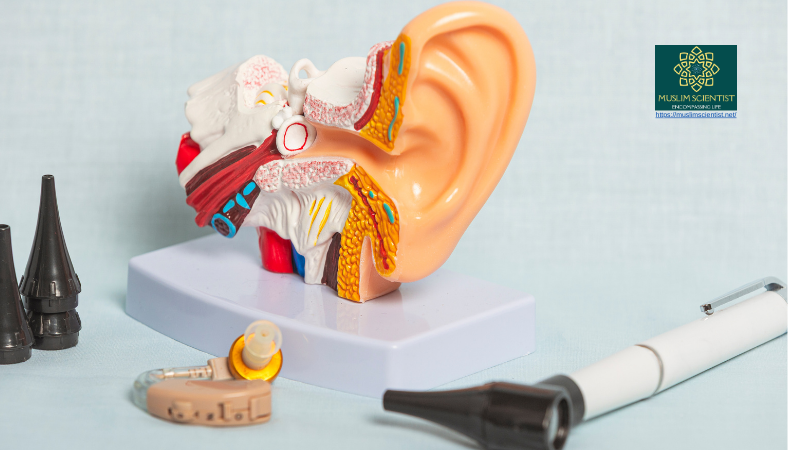
It’s not widely known, but diabetes can seriously affect your ears. Chronically high blood sugar can damage the delicate blood vessels and nerves in the inner ear, much like it does in the eyes and feet. This can lead to gradual, often unnoticed, hearing loss. The International Diabetes Federation estimates Indonesia has about 19 million adults with diabetes, making strategies to prevent such complications critically important.
This new study zoomed in on two vital hormones: leptin and ghrelin.
- Leptin, the “satiety hormone,” tells your brain you’re full. In diabetes, levels are often high, but the brain becomes resistant to its signal, contributing to weight gain and inflammation.
- Ghrelin, the “hunger hormone,” stimulates appetite. Its regulation is also frequently disrupted in T2DM.
Both hormones do more than regulate appetite; their receptors are found in the inner ear, suggesting they play a role in auditory health.
Fasting vs. Non-Fasting: What the Study Found
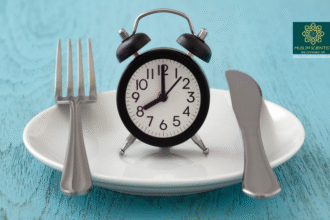
The research involved 86 adults with T2DM, split into two groups: 46 who regularly practiced fasting (such as Islamic Sunnah fasting or intermittent fasting) and 40 who did not.
The findings were compelling:
1. Hormonal Benefits: The fasting group had significantly lower levels of both leptin and ghrelin.
2. Auditory Benefits: While the average hearing threshold was slightly better in the fasting group, the most striking difference was in the rate of hearing loss. Hearing loss (defined as an average threshold over 25 decibels) was found in only 21.7% of the fasting group, compared to 37.5% of the non-fasting group.
Table 1: Key Differences Between Fasting and Non-Fasting Groups
| Measure | Fasting Group | Non-Fasting Group | Significance |
|---|---|---|---|
| Leptin Level | 32.85 ng/mL | 40.89 ng/mL | Lower in fasters (p=0.012) |
| Ghrelin Level | 5.48 ng/mL | 7.32 ng/mL | Lower in fasters (p<0.001) |
| Hearing Loss Prevalence | 21.7% | 37.5% | Lower in fasters (p=0.015) |
Statistical analysis confirmed that higher leptin levels were independently associated with a greater risk of hearing loss. Conversely, the practice of fasting itself was a protective factor, linked to a 57% reduced odds of having hearing impairment.
Table 2: Factors Influencing Hearing Loss Risk (Logistic Regression)
| Factor | Impact on Hearing Loss Risk | Note |
|---|---|---|
| Higher Leptin | Increases Risk (OR 1.023) | Every 1 ng/mL rise slightly elevates risk. |
| Fasting Practice | Decreases Risk (OR 0.429) | Fasters had less than half the odds of hearing loss. |
| Ghrelin Level | Not Significant | Did not show a direct predictive link. |
| Age & Sex | Not Significant | In this model, age and gender were not major predictors. |
Why Might Fasting Help the Ears?
The researcher explains that the benefits likely work through several interconnected pathways:
- Metabolic & Hormonal Rebalancing: Fasting helps reduce leptin resistance and can improve insulin sensitivity. Lower, healthier leptin levels may reduce the chronic inflammation and vascular damage that can harm the cochlea (the hearing organ).
- Cellular “Spring Cleaning” (Autophagy): Fasting triggers autophagy, the body’s process of cleaning out damaged cells and regenerating new ones. This can help remove dysfunctional components from inner ear cells, promoting their health and longevity.
- Reducing Oxidative Stress: Fasting may lower the oxidative stress that high blood sugar causes, thereby protecting delicate hair cells in the inner ear from damage.
Important Considerations and the Path Forward
It’s crucial to note that this is an observational study, meaning it shows a correlation, not definitive causation. The fasting group was also, on average, slightly older, yet still showed better hearing outcomes. The study does not prescribe a specific fasting method but defined it as abstaining from food for 8-16 hours before testing, aligning with common intermittent fasting windows.
Important Warning: Individuals with diabetes should never start a fasting regimen without consulting their doctor. Medication adjustments (especially for insulin or sulfonylureas) are often necessary to prevent dangerous hypoglycemia (low blood sugar).
The Takeaway: A Holistic Approach to Diabetes Care
This research shines a light on hearing loss as a serious diabetic complication that deserves more attention during routine check-ups. It also positions structured fasting, under medical supervision, as a potential multi-benefit tool.
“Fasting may be associated with more favorable metabolic profiles and a lower frequency of hearing loss in individuals with T2DM,” the study concludes. It calls for more longitudinal research to confirm these findings and unravel the precise mechanisms at play.
For now, the message is one of empowerment through holistic management. Controlling blood sugar through diet, exercise, and medication remains paramount. This new evidence suggests that for some, incorporating medically supervised fasting could be a powerful additional strategy—not just for weight and metabolic health, but potentially for preserving the precious sense of hearing as well.
Reference: here
Other Articles: