Islam offers a powerful, faith-driven blueprint for tackling planetary health crises, drawing from ancient teachings in the Quran and Hadiths to inspire modern environmental action. A commentary in The Lancet Planetary Health highlights how these principles position Muslims as key stewards in preserving nature amid climate challenges. This approach not only decolonizes global health discussions but empowers communities worldwide to act with purpose and optimism.
Quranic Foundations for Eco-Stewardship
The Quran mentions “Earth” 485 times, underscoring harmony between humanity and ecosystems as central to faith. Verses like Quran 6:141 urge eating fruits in season, sharing with the poor, and avoiding waste, promoting moderation and equity in resource use. These teachings prohibit exploitation, framing humans as moral guardians tasked with restoring the environment.
Hadiths reinforce this ethic: planting a tree counts as ongoing charity (sadaqah) if birds, people, or animals benefit, highlighting nature’s interconnectedness. Islamic law, maqasid al-shariah, prioritizes protecting life through mercy, favoring small-scale development over profit-driven destruction. Such principles guide believers toward sustainable living, turning faith into practical planetary care.
Modern Muslim-Led Climate Momentum
In 2015, Islamic leaders in Istanbul issued the Islamic Declaration on Climate Change, rallying 1.8 billion Muslims to phase out emissions and pursue net-zero solutions as a religious duty. Eco-Islamic conferences in Pakistan, Morocco, and Saudi Arabia now spread these environment-friendly teachings, blending faith with action. Indonesian Islamic universities integrate green curricula, equipping students to spearhead community environmental efforts.
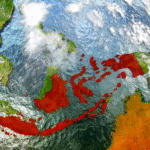
These initiatives counter real threats: Indonesia ranks among the top 20 carbon emitters from deforestation for palm oil, sparking transboundary haze pollution. Iran’s droughts and sandstorms, worsened by climate change, cost over $13 billion in GDP yearly. Yet, the commentary calls for amplifying these voices, urging scholars and institutions to champion sustainable Islamic values globally.
Key Teachings Driving Change
| Quranic/Hadith Principle | Core Message | Encouraging Impact |
|---|---|---|
| Earth mentioned 485 times | Harmony with nature is faith’s essence | Inspires daily reflection on stewardship for 1.8B Muslims |
| Quran 6:141: No waste | Eat seasonally, share harvest, avoid excess | Promotes zero-waste habits, reducing global footprints |
| Tree-planting Hadith | Counts as eternal charity | Motivates reforestation, benefiting wildlife and communities |
| Maqasid al-shariah | Protect life via mercy and equity | Shifts economies to people-centered sustainability |
This table spotlights actionable, hope-filled tenets from sacred sources.
Global Calls and Community Wins
Authors from Egypt, Afghanistan, Norway, Morocco, Malaysia, and the Philippines unite in the Lancet piece, declaring it time for Muslims to embody Earth trusteeship. Leaders like Malaysia’s Prime Minister’s Public Health Advisor Jemilah Mahmood back this push. The Planetary Health Alliance’s Southeast Asia hub amplifies these efforts.
Positive strides include green campus models in Indonesia’s Islamic universities, fostering youth-led action. Faith narratives prove vital for climate mobilization, as seen in interfaith ecology alliances. By welcoming Islamic perspectives, the planetary health field gains diverse, potent strategies against Western-centric limits.
Encouraging Data on Faith’s Reach
| Metric | Value | Why It Inspires Action |
|---|---|---|
| Global Muslims | 1.8 billion | Massive force for net-zero commitments and green shifts |
| Quran “Earth” mentions | 485 | Daily spiritual reminder for eco-harmony worldwide |
| Iran drought GDP loss | $13B+ yearly | Highlights urgency, spurring faith-based resilience |
| Indonesia’s rank | Top 20 emitters | Calls for palm oil reform via Islamic stewardship |
These figures reveal Islam’s scale and urgency, fueling optimistic change.
Expanding on these foundations, the commentary critiques profit-maximizing models, advocating Islam’s equity-focused alternatives. It envisions decolonized health discourse where non-Western faiths like Islam lead. For everyday believers in Depok or beyond, this means simple acts—planting trees, cutting waste—count as worship with eternal rewards.
Real-world applications shine in conferences unpacking Quran-guided sustainability. Saudi Arabia’s events, for instance, link faith to anti-desertification efforts. Pakistan’s gatherings empower locals against floods tied to climate shifts. Morocco blends Islamic principles with renewable energy pushes.
In Indonesia, home to the world’s largest Muslim population, green Islam counters palm oil deforestation. Universities like those in Java pioneer curricula merging shariah with ecology, training imams as climate advocates. Students graduate ready to plant mangroves, restore peatlands, and educate mosques on low-carbon living.
Middle Eastern examples motivate too: Iran’s sandstorm surge demands action, but Islamic calls for water equity offer hope. Community iftars go plastic-free; Hajj pilgrims adopt zero-waste protocols. The 2015 Declaration’s net-zero pledge now influences policies in Muslim nations.
Broader interfaith synergy grows: Christianity’s Laudato Si’ echoes Quran stewardship. Indigenous traditions align on ecosystem respect. This alliance multiplies impact, proving faith unites for planetary healing.
Challenges persist—haze chokes Southeast Asia; droughts parch farmlands—but Islam’s optimism prevails. The Hadith’s charity-tree promise turns despair into deeds. Leaders’ calls ensure no Muslim stands alone.
For families, this translates to kitchen gardens echoing Quranic gardens, kids learning Hadiths via nature walks. Markets shun excess per 6:141, fostering fair trade. Ramadan fosters mindful consumption, slashing food waste.
Policymakers draw from maqasid al-shariah for green laws. Malaysia’s advisor role exemplifies faith in governance. Philippines’ PH Lab globalizes these lessons.
This isn’t abstract theology; it’s a lived revolution. One tree, one shared meal, one emission cut at a time. Muslims, as Earth’s trustees, hold keys to revival. Join the mobilization—your faith demands it.
Reference: here
Other Articles: