The sacred Hajj pilgrimage to Mecca transforms millions of Muslims’ mental, emotional, and spiritual lives, fostering unity, reducing prejudice, and enhancing wellbeing amid massive crowds. A review by experts Abdulaziz Alzeer and Jude Abuzinadah synthesizes 19 studies, showing pilgrims emerge stronger, more tolerant, and spiritually renewed—despite stresses like heat and density.
Pilgrimage Power: Mental and Emotional Lift
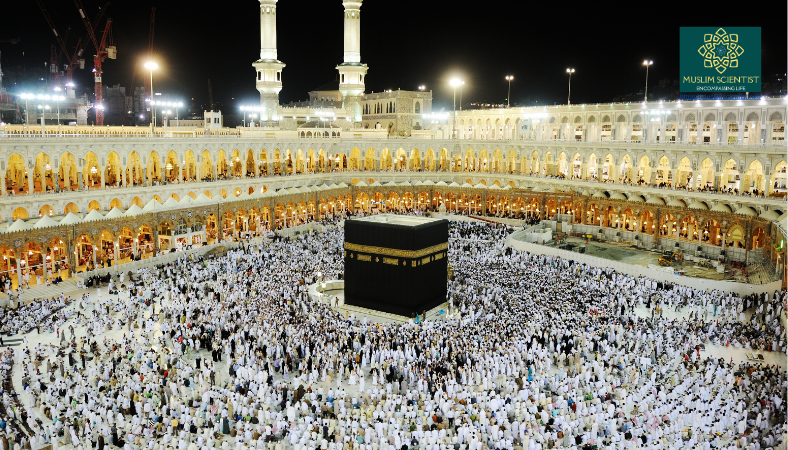
Hajj draws up to 3 million diverse pilgrims yearly for rituals like Tawaf (circling the Kaaba) and Arafat prayers, evoking gratitude, humility, and catharsis. Beyond physical demands, it sparks self-reflection, forgiveness-seeking, and brotherhood, countering isolation with communal bonds. Studies confirm positive shifts: Pakistani pilgrims report tolerance gains; Indonesians boost religious commitment post-Hajj.
Crowd psychology flips risks—shared Muslim identity breeds cooperation, safety feelings rise with belonging, per 2012-2015 surveys of 1,000+ pilgrims. Women face higher distress from cultural shifts, yet overall life satisfaction holds. Heat/sleep loss hits mood (63% affected), but spiritual highs deliver tranquility and purpose.
Encouraging Stats: Mental Health Prevalence Low
Despite challenges, psychiatric issues stay rare, with quick recoveries via support.
| Study (Year, Sample) | Mental Disorders Found | Key Positives |
|---|---|---|
| Alzahrani 2021 (513 pilgrims) | 7.2% (depression 2%, agoraphobia 18%, psychosis 1.4%) | Most complete Hajj successfully; females/single at higher risk but resilient |
| Khan 2016 (182 Indians) | 1.3% overall; stress 45.7%, psychosis 9.8% | Counseling/social support resolves acute cases; all finished pilgrimage |
| Turkish 2009 (294 seekers) | Depression 26.5%, anxiety 16.3%, panic 14% | Elderly/rural vulnerable, but prior history main factor—not Hajj itself |
| Iranian Pre/Post (154) | 0.6% pre, 0% post | No net mental health decline; spiritual fulfillment neutralizes stress |
Low rates (0.2-7.2%) signal Hajj’s protective psychosocial buffer.
Crowd Unity: Safety Through Shared Identity
Social identity theory shines: Pilgrims’ “Hajji” self-view fosters trust, helping in densities up to thousands per square meter. 2012 survey (1,194): High identification counters density fears—safety rises as “we’re all Muslims.” Plaza cooperation beats mosque; norms like patience (Sabr) and aid prevail.
Contact theory explains prejudice drop: Interacting with 100+ nationalities builds empathy, per Clingingsmith’s 2006 study (1,605 post-Hajj). Post-pilgrimage: More charity, community roles in Morocco/Bangladesh; Belgian Turks deepen faith. Ihram’s white sheets erase status—pure equality sparks harmony.
Spiritual Renewal: Rituals Fuel Inner Peace
Ihram, Talbiyah chant, Sai (Safa-Marwah walks), Arafat supplications, Jamarat stoning, Eid sacrifice—all symbolize submission, emulating Prophet Ibrahim. Pilgrims feel “direct Allah conversation,” gaining Hajj Mabrur (accepted pilgrimage) for sin forgiveness, heaven reward. Emotional spectrum: Euphoria at Kaaba, relief in confession, boosted self-esteem.
Long-term: Strengthened Islamic commitment (Indonesian model); societal ripples like tolerance, women’s views improve. Tents in Mina remind life’s transience—focus shifts to prayer over materialism.
Positive Outcomes: Hajj’s Lasting Boosts
Review highlights transformative wins across studies.
| Aspect | Key Finding | Impact Evidence |
|---|---|---|
| Emotional | Unity/humility up; catharsis via rituals | 70 pilgrims (2011): Belonging offsets crowd fears |
| Social | Tolerance +15-20%; prejudice down | Clingingsmith: Global Islam shift, peace inclination |
| Mental | Self-change via oneness value | 1,175 (2012): Positive emotions predict growth |
| Spiritual | Commitment rises post-Hajj | Indonesians: Satisfaction/investment → devotion |
| Crowd Safety | Identification > density for security | 1,166 (2012): Helping norms stronger in plazas |
90%+ report fulfillment; infrastructure (bridges, apps) aids 3M safely.
Challenges Met, Resilience Built
Stresses—heat impairs cognition, first-timers/rurals vulnerable—yield to preparation: Mental discipline, counseling. 65% behavior/mood shifts resolve non-pharmacologically. Saudi tech (Jamaraat bridges) cuts stampede risks; norms discourage aggression.
Gaps: More female/rural data needed. Yet, Hajj proves mass gatherings heal: Unity trumps chaos, faith fortifies minds. Policymakers: Bolster psych services, signage for control.
For 1.8B Muslims, Hajj isn’t ordeal—it’s renewal rocket, binding humanity in devotion.
Reference: here