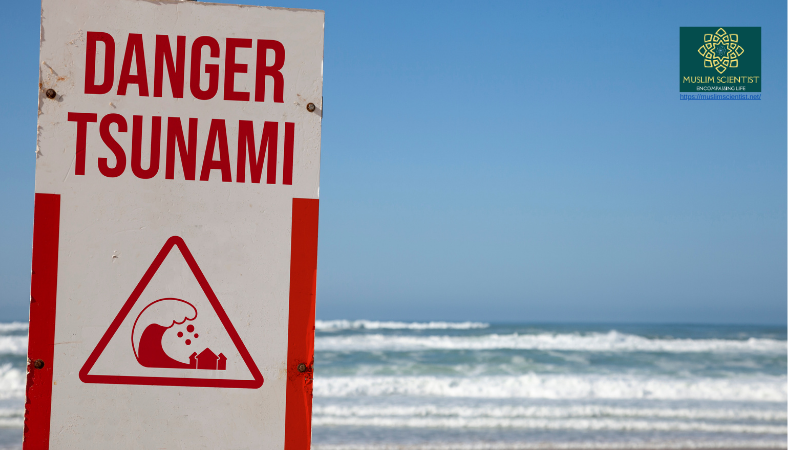
A study reveals how Islamic teachings in Banda Aceh schools and mosques blend faith with action, turning post-2004 tsunami grief into proactive disaster readiness for everyday families. Despite viewing disasters as “God’s will” or tests, residents and students embrace preparation like drills and mangroves alongside prayers, proving religion motivates—not hinders—survival smarts. In Indonesia’s most disaster-prone nation, this faith-science fusion offers a blueprint for global communities facing quakes, floods, and waves.
Tsunami’s Lasting Echoes
Banda Aceh, shattered by the 2004 tsunami killing over 167,000 in Aceh alone, rebuilt with Shariah law emphasizing community resilience. Survivors—farmers, traders, kids—recall waves sweeping homes near beaches, yet faith cushioned trauma: mosques hosted relief, Quran stories of Noah’s flood framed loss as divine test. Post-disaster, schools integrated disaster education; governments, NGOs rolled out drills, maps, and awareness amid frequent quakes, floods.
Religious leaders via Friday sermons and TV warned sins invite calamity (citing Quran verses like Al-Ankabut 29:14 on floods), but urged taqwa (God-consciousness) through better living—not fatalism. Kids in primary schools learned seaquakes spawn tsunamis scientifically, yet saw events as Allah’s reminder to pray (doa) for protection. This dual lens—science + scripture—spurs action in a culture where 90%+ are Muslim.
Schools: Faith Meets Drills
In pilot schools under Indonesia’s School-based Disaster Preparedness Program, religion textbooks weave Noah’s ark and Prophet tales with evacuation routes and seawalls. Walls proclaim “God’s power unleashes disasters—pray and prepare!” Students (ages 10-15) grasp tsunamis as earthquake-triggered waves, yet affirm “Allah’s will” demands human effort: “Doa + action.”
Teachers host drills, mangrove planting; extracurriculars teach environment preservation as Islamic stewardship. Despite direct tsunami trauma (some clung to debris), kids reject pure punishment views—”God wouldn’t kill innocents”—favoring “warning to improve faith.” All agree: prep saves lives, echoing Quran’s “persevere and endure” (Al-Hashr 59:18). Results? Proactive youth eyeing early warnings, not passivity.
Encouraging school integration data:
| School Feature | Content Focus | Impact on Kids |
|---|---|---|
| Textbooks | Noah flood, doa protection | 100% see disasters as tests + natural |
| Wall Signboards | God’s power, pray | Reinforces prep + faith |
| Drills/Training | Evacuation, mangroves | All endorse action (seawalls, education) |
| Religion Class | Stories of prophets | Links sin to warning, not punishment |
Faith boosts buy-in without breeding fear.
Community: Sermons Spark Survival
Villagers get Islam-disaster messages from imams (Friday prayers), radio/TV, signboards at monuments quoting Quran on quakes (Al-Zalzalah 99:1-3). Common themes: disasters test patience, warn against immorality, demand taqwa—yet pair with “work hard + doa.” Traders, farmers surviving waves stress: “Government warnings needed; plant mangroves; avoid beaches.”
Few fatalists emerge; most dismiss “wrath killing kids,” favoring “reminder to pray more.” Mosques, once emptying post-tsunami, now buzz with pengajian (study groups) blending resilience talks. Media amplifies: clerics urge environment care as halal duty. Despite limited workshops post-2004, belief in prep persists—government must deliver warnings.
Key community message channels:
| Source | Reach | Prep Encouragement |
|---|---|---|
| Imams/Sermons | High (mosques weekly) | Taqwa + action; no pure fatalism |
| TV/Radio | Mass | Warnings vs. sins; improve life |
| Signboards/Monuments | Visual reminders | Quran verses on endurance |
| Events (Ramadhan, Maulid) | Community-wide | Doa + environment protection |
Over 80% of interviewees back efforts like dams.
Bridging Faith and Science
Study’s qualitative dive (interviews with 17—kids, teachers, residents; observations in tsunami zones) debunks religion-science clash. Barbour’s typologies shine: kids integrate natural causes (earthquake waves) with divine will; adults compare scripture (punishment tales) to prep needs. No conflict—Quran praises signs in earth/heavens (Al-Jathiyah 45:3-5), urging knowledge.
Fatalism redefined: “God’s will” doesn’t negate drills; it demands them. Schools adopting curricula show higher awareness; communities lean on trusted clerics over NGOs. Challenges: sensitive topics avoid debate; media must amplify balanced views. Aceh’s Shariah aids: rules foster discipline, unity for resilience.
Global Lessons from Aceh
Indonesia, topping disaster lists (quakes, floods yearly), models faith-driven DRR (Disaster Risk Reduction). Policymakers: embed Quran interpretations in campaigns—e.g., “endure” (Al-Hashr) means seawalls + doa. Train imams on science; scale school pilots nationwide. For non-Muslims: universal—stories inspire action anywhere.
Post-2011 Japan quake parallels: clerics linked sins to tremors, yet survivors prepped. Aceh proves religion cuts psych trauma, boosts social aid—key for unpredictable events. Future: expand to more clerics, test interventions blending hermeneutics (contextual scripture reads).
Hope in Action: Prep Pays Off
Banda Aceh’s faithful aren’t waiting for wrath—they’re building seawalls, teaching kids, praying proactively. Faith heals hearts while hands fortify homes. With integrated education, Indonesia turns vulnerability to victory. Your community next?
Reference: here
Other Articles: