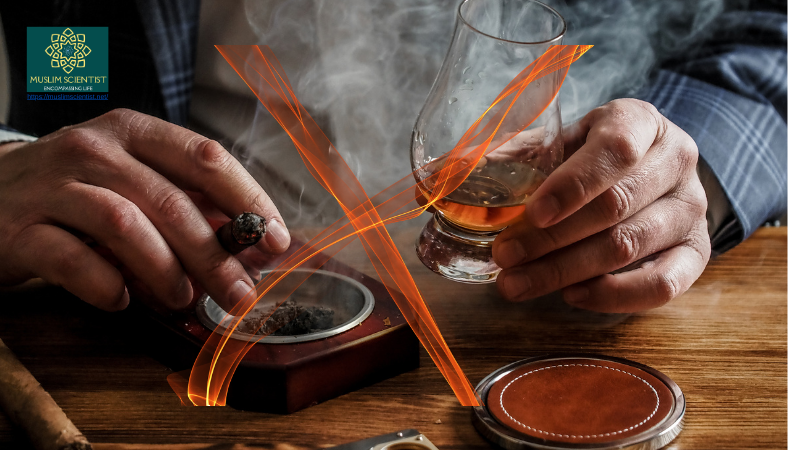
In China’s Ningxia province, a study reveals Muslims smoke and drink far less than their Han neighbors, thanks to Islamic teachings that prioritize health. This encouraging finding shows cultural faith can protect against vices even in a non-Muslim majority land.
Study Background
Researchers from Ningxia Medical University surveyed 5,811 adults from 2011 to 2013 using the Composite International Diagnostic Interview (CIDI). The sample included 38.1% Muslims (mostly Hui ethnicity) and 61.9% Han Chinese, covering urban and rural areas. They aimed to compare tobacco and alcohol use, hypothesizing Islamic culture curbs these habits despite pressures like poverty and migration. Face-to-face interviews ensured accurate data on current smoking (at least weekly for two months), dependence, drinking (monthly), and disorders.
China faces a tobacco crisis with over 350 million smokers and 1.2 million deaths yearly, projected to hit 2 million soon. Alcohol disorders affect 4.7-15.4% nationwide. Ningxia, home to many Muslims descended from Arab traders, offered a unique lens on religion’s role in non-Muslim settings.
Key Findings on Habits
Muslims showed strikingly lower rates across all measures. Overall current smoking stood at 19.1%, tobacco dependence at 4.8%, current drinking at 5.7%, and alcohol disorders at 2.6%—below national averages. These gaps held after adjusting for age, education, health, and mental issues via logistic regression.
The protective effect was strongest for current smoking (OR 0.41) and drinking (OR 0.29), persisting in fully adjusted models. Even with Muslims facing more anxiety (7.6% vs 5.5%), mood disorders (22.4% vs 17.8%), and pain, they avoided substances. This resilience highlights faith’s power amid stress.
Prevalence by Gender
Gender differences amplified the trends. Men drove most use, but Muslims resisted better.
| Category | Muslim Males (%) | Han Males (%) | Muslim Females (%) | Han Females (%) |
|---|---|---|---|---|
| Current Smoking | 33.1 | 51.9 | 0.3 | 2.2 |
| Tobacco Dependence | 9.9 | 12.4 | 0.1 | 0.4 |
| Current Drinking | 4.7 | 17.3 | 0.5 | 1.5 |
| Alcohol Use Disorder | 4.0 | 7.4 | 0.1 | 0.2 |
These figures cheer: Muslim women barely smoke (0.3%), a model for all. Male Muslims smoke 19% less than Han peers, despite starting younger (19.6 vs 21.9 years).
Risk Factors Analyzed
Logistic models confirmed Muslims’ edge. Table below shows odds ratios (OR <1 means lower risk for Muslims vs Han).
| Outcome | Model 1 OR (95% CI) | Model 2 OR (95% CI) | Model 3 OR (95% CI) |
|---|---|---|---|
| Current Smoking | 0.56 (0.48-0.64) | 0.43 (0.36-0.51) | 0.41 (0.34-0.50) |
| Tobacco Dependence | 0.63 (0.48-0.83) | 0.74 (0.56-0.97) | 0.71 (0.53-0.94) |
| Current Drinking | 0.26 (0.19-0.35) | 0.29 (0.21-0.40) | 0.29 (0.21-0.40) |
| Alcohol Use Disorder | 0.45 (0.30-0.65) | 0.65 (0.44-0.96) | 0.63 (0.42-0.93) |
Model 3 controls for demographics, health, and mental disorders—proving culture trumps adversity. Muslims, often rural migrants with less education (4.8 vs 6.9 years), still chose healthier paths.
Cultural Protection Explained
Islam bans alcohol outright and views tobacco as body-harming, backed by fatwas. In Ningxia’s blend of Hui Muslim and Han cultures, even Han benefit—regional rates beat national ones. Religion fosters self-regulation, countering stress from migration or illness.
Men face more pressure from duties, turning to vices; women cope differently. Yet Muslim women exemplify near-total abstinence, inspiring anti-smoking drives. The study urges faith-based education, especially for youth who start early if they do.
Broader Implications
These results encourage global tobacco control: leverage culture. Policymakers should tailor campaigns to Ningxia’s mix, promoting Islamic health values. Women need secondhand smoke protection; men, stress coping without substances.
Limitations note Ningxia-specificity and self-reports, but rigorous sampling strengthens it. Future work could probe income, jobs, and parenting. Overall, hope shines: faith builds healthier communities.
Reference: here
Other Articles: