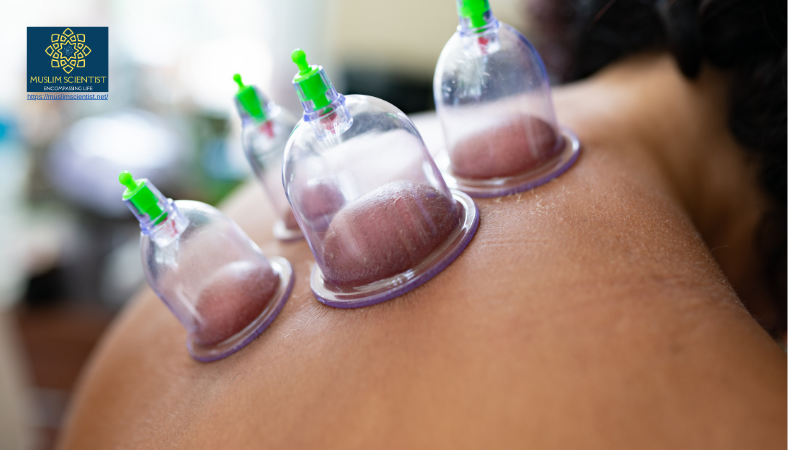
For thousands of years, across civilizations from Ancient Egypt to China and throughout the Islamic world, cupping therapy has been a cornerstone of traditional healing. Often viewed with skepticism by modern medicine, this ancient practice is now being scrutinized through the lens of contemporary science. A study from offers compelling evidence that the traditional practice of Wet Cupping (Al-Hijama) has measurable, positive effects on key health markers, including kidney function and blood pressure.
The research, conducted by Saleh Bin Sumaieda and colleagues, moves beyond anecdotal reports to provide quantitative data, suggesting that this prophetic medicine could play a supportive role in managing modern health conditions.
The Study: Measuring the “Unmeasurable”
The research team worked with 60 randomly selected patients (ages 20-70) in Al-Mukalla City, Yemen. All participants underwent a single session of wet cupping therapy, a process where small incisions are made on the skin after suction is applied with cups, drawing out a small amount of blood.
The scientific rigor came from the measurements: researchers took blood samples and blood pressure readings before and 2-3 days after the cupping session. They specifically analyzed levels of:
- Serum Creatinine: A key waste product filtered by the kidneys. High levels can indicate impaired kidney function.
- Uric Acid: Another waste product; elevated levels are associated with gout, kidney stones, and cardiovascular risk.
- Blood Pressure: Both systolic and diastolic readings.
Table 1: Key Findings from the Hadhramout Cupping Study
| Health Marker | Average Change After Cupping | Statistical Significance (p-value) | What It Means |
|---|---|---|---|
| Serum Creatinine | Significant Decrease | p = 0.000 | Suggests a potential reduction in the burden on kidneys and improved filtration of this waste product. |
| Uric Acid | Significant Decrease | p = 0.000 | Indicates a lowering of a key inflammatory compound linked to joint pain and metabolic issues. |
| Blood Pressure | Significant Decrease | p < 0.05 | Shows an acute hypotensive (blood pressure-lowering) effect following the therapy. |
The Results: Significant Drops Across the Board
The findings were clear and statistically robust:
- Kidney Function Markers Improved: Both serum creatinine and uric acid levels showed a highly significant decrease after the cupping session. This suggests that Al-Hijama may aid the body in eliminating these metabolic waste products, potentially lightening the load on the kidneys.
- Blood Pressure Lowered: The study recorded a significant reduction in blood pressure post-therapy. This aligns with the traditional use of cupping for hypertension and offers a tangible physiological outcome.
- Age-Related Insight: The research also found a strong positive correlation between age and blood pressure after cupping (r=0.459), meaning older participants who underwent cupping still showed a link to higher BP, but the treatment itself induced a drop. No significant correlation was found between age and the levels of creatinine or uric acid, indicating the therapy’s effect on these markers might be independent of age.
How Could Cupping Do This? The Proposed Mechanisms
The study authors and referenced literature suggest several theories for these effects:
- Detoxification (“Removing Bad Blood”): The direct removal of a small amount of venous blood is believed to also remove concentrated metabolic wastes, excess fluids, and inflammatory substances like cytokines and free radicals.
- Stimulating Nitric Oxide (NO): Cupping may stimulate the production of Nitric Oxide, a potent vasodilator. This relaxes and widens blood vessels, improving circulation and directly contributing to lower blood pressure.
- Neurological and Immune Modulation: The localized suction and minor trauma are thought to stimulate the immune system, increase blood flow to the area, and trigger pain-modulating pathways, which may have systemic benefits.
Context and Caution: What This Study Does and Doesn’t Say
This research is a vital contribution to the evidence base for Complementary and Alternative Medicine (CAM). It uses a controlled pre-post design to objectively measure changes. However, it’s essential to contextualize the findings:
- Not a Standalone Cure: The study does not claim cupping is a cure for kidney disease, chronic gout, or hypertension. It presents it as a potentially beneficial supportive therapy.
- Short-Term Effects: The measurements were taken days after a single session. The long-term impact or the effect of regular sessions requires further study.
- Safety First: The procedure was performed in a controlled setting. Cupping, especially wet cupping, should only be performed by trained, licensed practitioners using sterile equipment to prevent infection.
Table 2: Cupping Therapy at a Glance
| Aspect | Detail | Significance |
|---|---|---|
| Therapy Type | Wet Cupping (Al-Hijama) | Involves mild suction and controlled medicinal bleeding. |
| Historical Roots | Over 3,000 years (Egypt, China, Islamic Prophetic Medicine) | A deeply rooted traditional practice across cultures. |
| Modern Classification | Complementary & Alternative Medicine (CAM) | Increasingly studied and integrated into holistic health models. |
| Key Measured Benefit | Reduction in Creatinine, Uric Acid, Blood Pressure | Provides scientific metrics for traditionally claimed benefits. |
| Ideal Practitioner | Trained, Licensed Therapist in a Clinical Setting | Crucial for safety and efficacy. |
Conclusion: Bridging Tradition and Science
The Yemeni study on Al-Hijama is a significant step in validating an ancient practice with modern scientific methodology. By demonstrating significant reductions in creatinine, uric acid, and blood pressure, it provides a physiological basis for centuries of traditional use.
It argues for a more integrated view of healthcare, where evidence-based traditional practices can complement conventional medicine, especially in managing chronic conditions and promoting holistic well-being. For patients and practitioners alike, this research underscores that “ancient wisdom” can hold truths that are only now being fully measured and understood by contemporary science.
The path forward involves more rigorous, large-scale, and long-term studies. But for now, this research from Hadhramout offers a powerful testament that healing sometimes looks back to move forward, using cups on skin to gently guide the body towards better balance.
Reference: here
Other Articles: