A Global Disparity in Despair: Faith, Community, and the Fight Against Suicide
An undeniable pattern emerges from the latest global data on suicide rates: nations with predominantly Muslim populations consistently report dramatically lower numbers than many non-Muslim majority countries. This stark contrast, revealed in the 2026 World Population Review data, is not merely a statistical coincidence. It points to a complex interplay of deeply rooted religious doctrine, strong communal structures, and distinct cultural norms that shape how societies view life, suffering, and mental distress.
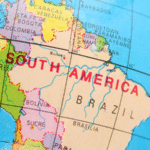
From the Philippines and Bangladesh to Saudi Arabia and Morocco, Muslim-majority nations occupy the lower end of the global scale. Conversely, some of the world’s highest rates are found in countries like Greenland, South Korea, Lithuania, and Japan. This global divide invites a crucial examination of how foundational Islamic principles—emphasizing the sanctity of life, resilience through faith, and the responsibilities of community—create a protective social framework. While these nations face their own profound challenges, the data suggests their faith-based worldview provides a critical buffer against the despair that leads to suicide.
The Global Landscape: A Tale of Two Data Sets
The 2026 data paints a clear picture. The ten countries with the highest suicide rates per 100,000 people are:
- Greenland (75.57)
- Suriname (28.69)
- South Korea (28.13)
- Guyana (25.36)
- Lithuania (24.76)
- Russia (24.28)
- Uruguay (22.49)
- Japan (21.46)
- Ukraine (21.28)
- Cuba (21.13)
None of these are Muslim-majority states. Their challenges are diverse, involving extreme isolation, post-Soviet transitions, intense social competition, and economic instability.
In sharp contrast, the data for Muslim-majority nations reveals a different reality:
| Country | Suicide Rate (per 100k) | Country | Suicide Rate (per 100k) |
|---|---|---|---|
| Bangladesh | 4.52 | Algeria | 3.57 |
| Turkey | 4.46 | Malaysia | 3.56 |
| Pakistan | 6.79 | Saudi Arabia | 3.58 |
| Iran | 5.50 | Morocco | 3.83 |
| Nigeria | 3.07 | Indonesia* | ~3.0 (est.) |
Note: Indonesia, the world’s largest Muslim-majority nation, is not listed in the provided top/bottom data but consistently reports very low rates in line with regional peers.
This pattern holds across diverse geographies and economic statuses, from the densely populated communities of South Asia to the Gulf states and North Africa.
The Foundation in Faith: Core Islamic Prohibitions and Prescriptions
The low incidence of suicide in these societies is fundamentally linked to Islamic teachings, which provide a comprehensive framework for understanding life’s trials. Some of them are:
- The Absolute Sanctity of Life: Islam explicitly and categorically forbids suicide. The Quran states: “And do not kill yourselves, for indeed Allah is to you ever Merciful” (4:29). A well-known Hadith (prophetic saying) emphasizes that one who dies by suicide will be perpetually subjected to the very means they used. This theological stance makes the act not just a personal tragedy but a grave sin, creating a powerful religious deterrent.
- Patience (Sabr) as a Spiritual Virtue: Islamic doctrine places immense emphasis on Sabr—patience, perseverance, and steadfastness in the face of hardship. Suffering is not seen as meaningless but as a test from God that, when endured with faith, leads to spiritual purification and a higher reward in the afterlife. This re-frames profound personal distress as a temporary trial with divine purpose.
- Community (Ummah) as a Safety Net: The concept of the Ummah, or global Muslim community, is not abstract. It translates into tangible social obligations. The support of family and the wider community is considered a religious duty. Individuals in crisis are often surrounded by a network that intervenes, offers material and emotional support, and reinforces their sense of belonging and responsibility to others.
Beyond Doctrine: The Socio-Cultural Reinforcement
These teachings are reinforced by strong cultural norms, though these can present their own challenges.
- Stigma and Secrecy: The powerful religious prohibition can, at times, morph into a severe social stigma. This may discourage help-seeking for suicidal thoughts and contribute to underreporting, as families may seek to conceal a death by suicide to avoid social shame. It also heavily stigmatizes open discussion of mental health conditions like depression, which are often somaticized (expressed as physical pain) or spiritualized.
- Family as First Responders: The central role of the family means mental health crises are primarily managed within the home, not by professional services. While this provides immediate support, it can delay or prevent access to specialized psychiatric care for those with clinical disorders.
- Different Cries for Help: Research indicates that in these societies, extreme psychological distress may manifest not as suicide but in other ways, such as high rates of somatic disorders, or in the case of women, through self-immolation in some regions—an act that may be recorded differently.
The Challenge for High-Rate, Non-Muslim Majority Nations
The contrast with many high-rate countries highlights different societal pressures:
- Weakened Traditional Structures: Many high-rate nations have undergone rapid individualization, weakening traditional family and community bonds. This can leave individuals feeling isolated and without support during crises.
- Different Framing of Suffering: In more secularized societies, intense suffering may be framed more through a medical lens of “depression” or through a lens of personal freedom and choice, lacking the religious framework that prescribes patience and promises transcendent meaning.
- The Burden of Disclosure: While there is often less religious stigma against suicide, individuals may still face shame and are often expected to seek help individually from professionals, which requires high self-awareness and initiative during a debilitating crisis.
A Path Forward: Integrating Strengths and Addressing Gaps
The Islamic model offers crucial lessons for global mental health: the power of sacred life-affirming narratives and the critical importance of a mandatory, community-based support system. However, for Muslim societies, the path forward involves integrating these timeless strengths with modern understanding.
- Religious-Leadership Engagement: Imams and scholars are being trained to distinguish between spiritual distress and clinical mental illness, to preach compassion over condemnation, and to guide the faithful toward professional help when needed.
- Culturally-Sensitive Psychiatry: Mental health professionals are developing models that integrate Islamic concepts of Sabr and spiritual well-being into cognitive behavioral therapy, making treatment more acceptable and effective.
- Community Health Initiatives: Programs are leveraging the existing community structure—through mosques, community centers, and schools—to provide basic mental health literacy, identify at-risk individuals, and reduce stigma from within the cultural framework.
Conclusion: A Mosaic of Meaning
The global disparity in suicide rates is a profound indicator of how societies construct meaning, community, and responses to human suffering. The data suggests that the strong, faith-based worldview prevalent in Muslim-majority countries serves as a significant protective factor, creating a societal immune system against despair.
This is not to say these societies are free from pain or mental illness, but that the pain is channeled and contained within a different set of rules and resources. The challenge for all nations—whether seeking to build stronger community bonds or to sensitively integrate faith and science—is to create an environment where every life is valued, protected, and offered a meaningful path through suffering. In this endeavor, the Islamic emphasis on life as a sacred trust (amanah) offers a powerful, universal principle for building a world with less despair.
Reference: here
Other Articles: