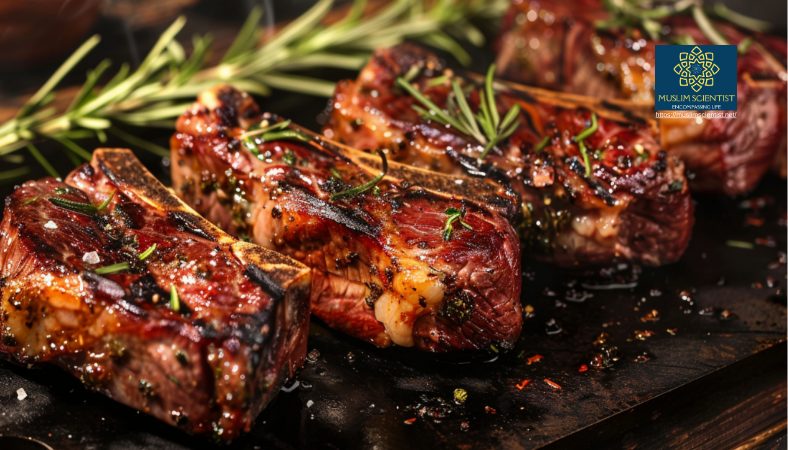
Singapore stands at the forefront of a food revolution. As the first country in the world to approve the sale of cultured meat—chicken nuggets and breasts grown from animal cells in a bioreactor—it has sparked a global conversation about the future of dining. But for a significant segment of its population, the question isn’t just about technological marvel or taste; it’s deeply spiritual: Is it halal?
A study from Nanyang Technological University (NTU) has delved into this very question. The research, titled “Halal or not? Exploring Muslim perceptions of cultured meat in Singapore,” provides an unprecedented look into the hearts and minds of the Muslim community as they grapple with this novel food. The findings reveal that while the path to acceptance is nuanced, it is navigable, hinging on two powerful pillars: religious certification and unwavering trust in authority.
The Non-Negotiable: Halal Certification
For the Muslim participants in the study, the primary filter for considering cultured meat was unequivocal: it must be certified halal. “For Muslims, generally, we need it to be halal and preferably halal-certified,” stated one participant, capturing a unanimous sentiment.
Their concerns were specific and rooted in Islamic dietary laws:
- Source of Cells: Were the starter stem cells taken from an animal slaughtered according to Islamic rites?
- Production Purity: Is the production process free from haram (forbidden) substances, particularly pork derivatives or blood-based nutrients?
- Facility Contamination: Could halal cultured meat be produced in facilities that also handle non-halal products?
The study found that participants would not make this determination themselves. Instead, they look to a singular authority: Majlis Ugama Islam Singapura (MUIS), the Islamic Religious Council of Singapore. Their trust in MUIS is profound, viewing it as a rigorous, credible, and familiar “brand” for all matters of faith. They expect to wait for MUIS’s official decree before ever considering consumption.
Table 1: Top Considerations for Muslim Acceptance of Cultured Meat
| Consideration | Key Participant Insight | Implication |
|---|---|---|
| Halal Certification | “We need it to be halal-certified.” | A mandatory, non-negotiable first step. |
| Trust in MUIS | “MUIS is like a brand… they are doing the right thing as a Muslim authority.” | Deference to religious authority over personal interpretation. |
| Safety & Health | “The longer-term side effects… is it really safe for humans?” | Scientific safety must be established before religious permissibility. |
| Production Transparency | Concerns about “opaqueness” and “artificiality.” | Need for clear communication about the science and process. |
A Cascade of Trust: From Safety to Sanctity
Interestingly, the study revealed a logical sequence of trust. Before even reaching the question of halal, participants needed assurance that cultured meat was safe. Here, they placed their trust in Singapore’s government regulators, like the Singapore Food Agency (SFA), citing the nation’s world-class food safety standards.
This creates a “cascade of trust”: first, the government certifies it as safe for human consumption; then, MUIS certifies it as halal. Only after both conditions are met would acceptance be possible. This dual-layer of institutional trust is a critical insight for policymakers and the industry.
Shared Hopes and Fears: Not So Different After All
Beyond religious specifics, the perceptions of Muslim Singaporeans mirrored broader global sentiments about cultured meat. Their concerns focused on potential long-term health effects, the “unnatural” feeling of lab-grown food, and nutritional value compared to conventional meat.
Conversely, the benefits they recognized were largely societal and environmental—the very promises that drive the industry. Participants saw cultured meat as a potential tool for:
- Enhancing Singapore’s Food Security: Reducing reliance on food imports in a vulnerable global landscape.
- Environmental Protection: Using less land and water, and lowering greenhouse gas emissions.
- Animal Welfare: Potentially reducing the need for large-scale animal slaughter.
Table 2: Perceived Benefits of Cultured Meat (Aligned with National Goals)
| Benefit Category | Participant Insight | Connection to Singapore’s Vision |
|---|---|---|
| Food Security | Making Singapore “less reliant on imported food” and reversing “food shortages.” | Aligns with the “30 by 30” goal to produce 30% of nutritional needs locally by 2030. |
| Environment | Handling the “climate issue” and using fewer natural resources. | Supports the Singapore Green Plan 2030. |
| Economic Opportunity | Creating a “new halal industry” and jobs for scientists. | Positions Singapore as a leader in the future Halal tech economy. |
Bridging the Knowledge Gap
The study also uncovered a significant knowledge gap. Despite Singapore’s pioneering role, awareness of cultured meat was mixed. Some participants confused it with plant-based meats (like Impossible Meat), others called it “fake meat” or likened it to a “test-tube baby.” This highlights a pressing need for clear, neutral, and accessible public science communication to distinguish cultured meat from other alternatives and demystify its production.
A Roadmap for the Future
The NTU study offers more than just observations; it provides a roadmap. For cultured meat to be embraced by the Muslim community in Singapore and similar demographics globally, the approach must be multifaceted:
- Engage Religious Authorities Early: Proactive, transparent dialogue with MUIS is essential.
- Leverage Trusted Voices: Communications should flow through trusted channels like government agencies and MUIS.
- Educate Clearly and Simply: Distinguish cultured meat from plant-based options and explain the science transparently to address safety concerns.
- Highlight Aligning Values: Emphasize how cultured meat can support shared goals like food security, sustainability, and ethical consumption.
The journey of cultured meat from lab to table is not merely a scientific challenge, but a social and spiritual one. In Singapore, a nation built on harmony and innovation, the Muslim community has laid out a clear, trust-based pathway. The future of food may well depend on following it.
Reference: here
Other Articles: