As the global halal food market surges toward a projected $4 trillion, a new study reveals the intricate and fascinating systems that Malaysia, Singapore, and Indonesia use to ensure that the food on your plate is not only permissible but also pure, safe, and trustworthy.
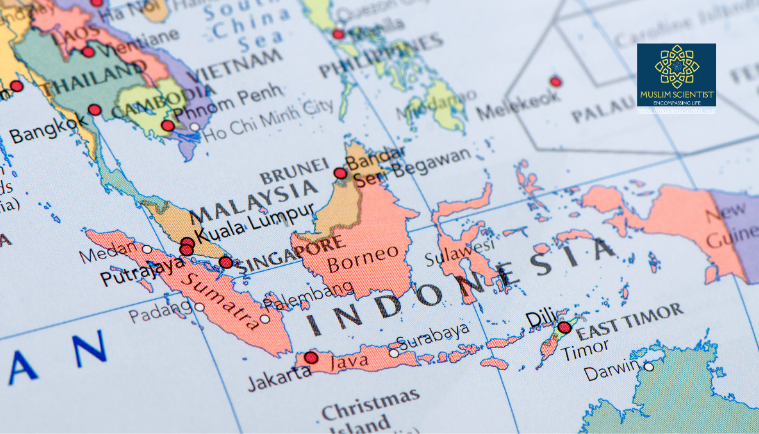
For millions of consumers worldwide, the small halal logo on a package of chicken or a restaurant storefront is a symbol of trust—a silent promise that the food adheres to Islamic dietary laws. But behind that simple logo lies a complex, meticulously designed world of regulations, audits, and religious oversight that varies significantly from one country to another. A new comparative study published in the journal Foods takes a deep dive into the halal certification frameworks for poultry meat in three of Southeast Asia’s most influential Islamic markets: Malaysia, Singapore, and Indonesia.
The study, conducted by researchers from Konkuk University in South Korea, provides a rare, side-by-side look at the rules and regulations that govern the halal poultry trade in these three nations. Their findings are crucial not only for the 2 billion Muslims worldwide who rely on halal certification but also for the global food industry, which is increasingly recognizing the halal label as a universal symbol of quality and hygiene.
The global halal food market is booming. Currently valued at an estimated USD 2.86 trillion, it is projected to reach a staggering USD 4.177 trillion by 2028. This growth is driven by the world’s rapidly expanding Muslim population—expected to reach 3 billion—and a rising tide of non-Muslim consumers who associate halal certification with higher standards of cleanliness, safety, and ethical production. As the authors note, “non-Muslim consumers are also responding positively to halal food certification.”
But for food producers looking to tap into this lucrative market, navigating the different halal standards of importing countries can be a major challenge. This study helps illuminate the path forward by clarifying the key differences and similarities between the systems in Malaysia, Singapore, and Indonesia.
Three Nations, Three Approaches to Halal Assurance
While the core principles of halal—permissibility under Islamic law—are universal, the way they are enforced and certified can differ. The study highlights distinct national approaches.
Malaysia: The Voluntary System with a Strong Reputation
In Malaysia, where approximately 60% of the population is Muslim, halal certification is largely voluntary. It is not mandatory for most domestic products but has become a powerful marketing tool. The Malaysian halal logo, issued by the Department of Islamic Development Malaysia (JAKIM), is so highly regarded for its rigorous standards that even non-Muslim consumers actively seek it out as a guarantee of safety and quality.
However, for imported meat, the rules are much stricter. Under the Slaughter Act 1975, all meat products entering Malaysia must be halal-certified. The process for overseas slaughterhouses is thorough, involving a multi-stage procedure that includes an initial application, a document review, and a mandatory on-site audit by JAKIM and the Department of Veterinary Services (DVS) before a certificate is issued. This ensures that foreign producers meet the same exacting standards as domestic ones.
Singapore: The Centralized, State-Managed Model
Singapore, with its smaller Muslim minority, takes a different approach. The Islamic Religious Council of Singapore (MUIS) is the sole, government-authorized body responsible for halal certification. Operating under the Administration of Muslim Law Act (AMLA), MUIS has built a reputation for its fast, transparent, and globally recognized certification process.
Singapore’s system is notable for its Halal Quality Management System (HalMQ), which covers the entire food supply chain from sourcing and storage to production and sales. The system offers seven distinct certification schemes, from retail eating establishments to poultry abattoirs and storage facilities. This centralized approach ensures strict control and consistency across the country’s halal industry.
Indonesia: The Mandatory and Comprehensive Framework
As the world’s most populous Muslim-majority nation, Indonesia has the most far-reaching halal requirements. Under Law No. 33 of 2014 on Halal Product Assurance (JPH), halal certification is mandatory for all products sold in Indonesia, including food, beverages, pharmaceuticals, and cosmetics. This makes Indonesia one of the few countries with a universal halal requirement.
The system is managed by the Halal Product Assurance Organizing Agency (BPJPH), which coordinates the certification process. The Majelis Ulama Indonesia (MUI) retains the crucial role of issuing the final religious Fatwa (decree) that validates a product’s halal status. A key recent development is Government Regulation No. 42 of 2024, which makes halal certificates permanent if the ingredients and production processes remain unchanged, reducing the administrative burden on businesses.
| Table 1: A Tale of Three Halal Systems | |||
|---|---|---|---|
| Country | Governing Body | Key Approach | Core Regulation/Document |
| Malaysia | JAKIM (Dept. of Islamic Development) | Voluntary for domestic; mandatory for imported meat | MS 1500:2019 (Halal Food Guidelines) |
| Singapore | MUIS (Islamic Religious Council) | Centralized, state-managed, voluntary | MUIS-HC-S001 & MUIS HalMQ System |
| Indonesia | BPJPH (Halal Product Assurance Agency) with MUI | Mandatory for all products | Law No. 33/2014 (Halal Product Assurance) |
More Than Just a Slaughter: Hygiene and Safety Standards
The study goes beyond the certification bodies to analyze the technical standards that ensure halal poultry is also safe to eat. Across all three countries, the requirements for microbiological and chemical safety are rigorous. For example, all three nations mandate that poultry be free from Salmonella spp., a leading cause of foodborne illness.
While their standards are similarly strict, there are interesting variations. For instance, Indonesia’s microbial limit for total plate count is stricter (below 10⁴ CFU/g) than Malaysia’s (below 10⁶ CFU/g). Similarly, the number of veterinary drug residues regulated varies: Singapore has a list of 55, while Malaysia lists 34, and Indonesia lists 15. This shows that while all are committed to safety, their specific focus areas and allowable limits can differ.
| Table 2: Comparing Poultry Safety Standards (Microbial Limits) | |||
|---|---|---|---|
| Parameter | Malaysia | Singapore | Indonesia |
| Total Plate Count | < 10⁶ CFU/g | N=5, C=3, m=5.0×10⁵, M=1.0×10⁷ CFU/g | < 10⁴ CFU/g |
| Escherichia coli | < 5×10¹ CFU/g | N=5, C=2, m=1.0×10², M=5.0×10² CFU/g | < 5×10¹ CFU/g |
| Salmonella spp. | Not detected in 25g | Not detected in 25g (N=5, C=1) | Negative |
| Staphylococcus aureus | < 1×10² CFU/g | N=5, C=2, m=5.0×10², M=1.0×10³ CFU/g | < 1×10² CFU/g |
CFU/g = Colony Forming Units per gram; N = number of sample units; C = max allowable defective units; m = threshold; M = maximum value.
Navigating the Complexities: Implications for Trade and Consumers
The differences in these frameworks—from voluntary to mandatory, from different certification logos to varying audit methods—create complexities for global trade. A poultry producer seeking to export to all three markets must understand and comply with three distinct sets of rules, which can be costly and time-consuming.
However, this complexity also drives innovation and quality. To achieve certification in these demanding markets, producers are often compelled to adopt the highest global standards of hygiene, traceability, and quality management, such as HACCP (Hazard Analysis and Critical Control Points) and GMP (Good Manufacturing Practice).
The study concludes by offering a roadmap for a more integrated global halal market, suggesting:
- Mutual Recognition Agreements: Countries should work towards recognizing each other’s core halal principles to reduce duplication of audits.
- Harmonizing Standards: Aligning on common definitions and audit checklists for widely traded ingredients would simplify compliance.
- Digital Transparency: Implementing interoperable digital platforms for halal certification documents could streamline application and verification processes.
- Capacity Building: Investing in collaborative training programs for halal auditors would lead to a more unified interpretation of standards.
For the everyday consumer, this research underscores the robustness and reliability of the halal certification systems in these key countries. The differences, while a challenge for industry, represent a shared commitment to upholding the principles of halalan toyyiban—the concept that food must not only be permissible but also safe, wholesome, clean, and ethical. In a world where food safety and ethical sourcing are increasingly paramount, these Southeast Asian nations are building systems that serve not only their Muslim populations but set a high bar for the global food industry.
Reference: here
Other Articles: