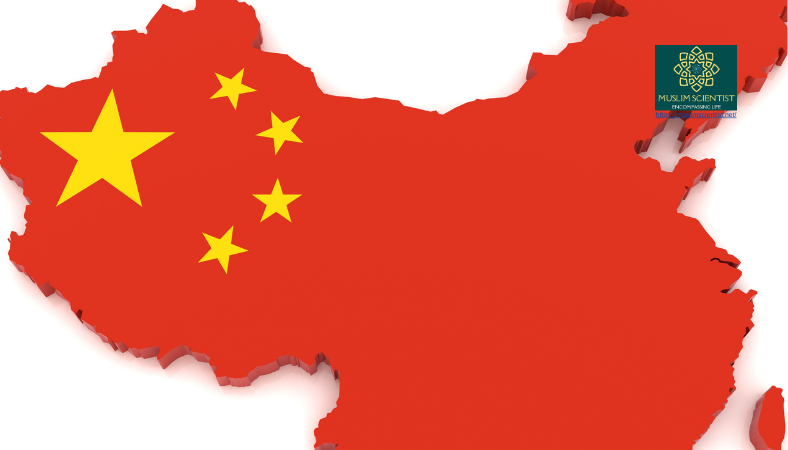
An academic study reveals deep divisions over the name “Xinjiang,” highlighting the Uyghur diaspora’s fierce rejection of it as a symbol of erasure while Chinese thinkers push for a rename to bolster national unity. Published in 2025, the paper uncovers how this linguistic battle reflects centuries of tension in East Turkestan. For everyday people, this isn’t just history—it’s a fight for cultural survival that resonates globally today.
Historical Roots of Division
The Qing Dynasty renamed East Turkestan “Xinjiang”—meaning “new frontier” or “new territory”—in 1884 to claim sovereignty, ignoring the region’s Turkic heritage spanning Han and Tang eras when it was called “Western Region.” Uyghurs see this as colonial imposition, preferring “East Turkestan” to honor their ancient ties to Kazakh, Uzbek, and other Turkic groups. Chinese sources trace “Western Region” back to explorers like Zhang Qian in 202 BC, covering vast areas from Pamir to Aral Sea, but Qing policies narrowed it for control.
Over time, figures like Zuo Zongtang in the 1870s pushed for Xinjiang Province, merging it administratively with Gansu amid low population and vast lands. Post-1949, Mao’s forces turned it into the Xinjiang Uyghur Autonomous Region in 1955, yet real power stayed with Han-led Communist Party secretaries like Wang Zhen, who promoted Han migration. This history fuels diaspora outrage, viewing the name as a tool for assimilation.
Diaspora Defiance and Leaders’ Legacy
Uyghur leaders like Mehmet Emin Bura (1901-1965) penned works such as “East Turkestan’s History” (1952), slamming Xinjiang as an occupier’s label that erases Turkish-Islamic roots. Isa Yusuf Alptekin (1901-1995) echoed this in memoirs like “For Captive East Turkestan,” urging global help against cultural wipeout. Modern scholars like Erkin Emet and Erkin Ekrem continue, linking the name to post-9/11 policies and Urumqi clashes.
Organizations worldwide amplify this: World Uyghur Congress (2004), East Turkistan Foundation (1986), and over a dozen others in Turkey, Europe, and Australia boycott “Xinjiang,” pushing “East Turkestan” in publications, websites like uyghurcongress.org, and protests. Magazines like “Gokbayrak” (Sky Flag) detail how the name aids China’s “national Chinese consciousness” policy, aiming to melt Turkic identities into Han norms.
Table 1: Key Uyghur Diaspora Organizations and Founding Years – Symbols of Resilience
| Organization | Founding Year | Focus Areas |
|---|---|---|
| East Turkistan Migrants Association | 1960 | Migration support, identity advocacy |
| East Turkistan Foundation | 1986 | Cultural preservation, awareness |
| World Uyghur Congress | 2004 | Global advocacy, human rights |
| East Turkistan Exile Government | 2004 | Sovereignty campaigns |
| Uyghur Movement | 2017 | Youth mobilization, protests |
This table showcases enduring activism, with groups spanning 66 years, proving Uyghur resolve against erasure.
China’s Push for Rename
Chinese media and academics now question “Xinjiang,” arguing its “new” connotation weakens historical claims and aids separatists. A 2009 Lianhe Zaobao piece by Yu Shiyu called it a “geopolitical burden,” proposing “Western Region” from Han Dynasty texts. Critics like Hu Angang’s 2011 “Second Generation Ethnic Policies” seek to scrap autonomy for full integration.
Liu Yazhou’s 2010 “Western Region Theory” frames the area—including Central Asia—as China’s “destiny,” key for energy pipelines, countering Russia, US, and Turkey’s influence. He ties it to “three golden ages” of Chinese history, urging shift from eastern to western focus for security. This aligns with Xi Jinping’s nationalism, where “Xinjiang” clashes with ancient “Western Region” narrative, potentially expanding control via Belt and Road.
Table 2: Encouraging Diaspora Milestones – Growing Global Voice
| Leader/Work | Year | Impact |
|---|---|---|
| Mehmet Emin Bura’s “East Turkestan History” | 1952 | First major rejection of Xinjiang label |
| Isa Yusuf Alptekin’s Memoirs | 1985 | Inspired international solidarity |
| World Uyghur Congress Launch | 2004 | Unified global advocacy platform |
| Rukiye Turdush’s Sovereignty Report | 2024 | Highlighted decolonization paths |
These milestones show progress: from isolated writings to a network influencing UN discussions, offering hope for recognition.
Global Stakes in 2026
As China eyes “Western Region” to match “Chinese Dream” ambitions, Uyghurs counter with cultural soft power—festivals, online campaigns, Turkey-based hubs. The debate spotlights energy-rich routes and ethnic harmony claims versus autonomy cries. For common folk, it’s personal: preserving language, mosques, traditions amid migration waves.
Reference: here
Other Articles: