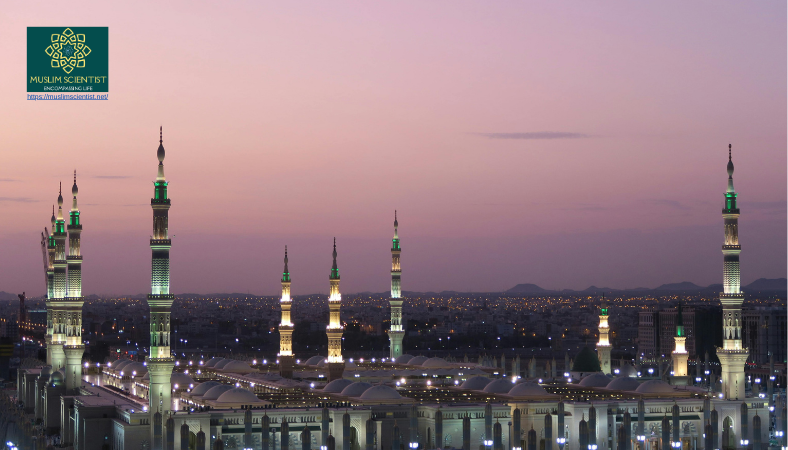
Every year, millions converge on Mecca for Hajj and Umrah, turning a spiritual journey into a potential health challenge due to crowding and diverse origins. A review reveals how mandatory vaccines have dramatically reduced invasive meningococcal disease (IMD), a deadly bacterial meningitis, making these pilgrimages safer than ever.
Past Outbreaks’ Shadow
In the late 1990s and early 2000s, Hajj saw devastating IMD outbreaks, especially in 2000-2001 when over 650 cases struck, killing many pilgrims, mostly from MenW serogroup. These events spread globally via returning pilgrims, sparking MenW epidemics worldwide. Saudi Arabia responded swiftly with compulsory MenACWY vaccines from 2002, alongside local immunization drives.
The shift saved lives: IMD cases in Saudi Arabia plummeted post-2002, with no major Hajj outbreaks since. From 265 cases in 1995-1999 to just 14 pilgrim cases in 2002-2011, vaccines proved their power. Pilgrims from 185+ countries now face far less risk, thanks to these measures.
Vaccine Success Stories
Mandatory MenACWY shots—covering serogroups A, C, W, Y—cut IMD sharply during mass gatherings. In 2019, 1.86 million external Hajj pilgrims and 7.2 million Umrah visitors traveled safer paths. Conjugated vaccines, preferred for longer protection and carriage reduction, boost herd immunity.
Compliance remains key, though challenges like polysaccharide vaccine preference (60-70% in low-income countries) and 20-25% unvaccinated pilgrims persist. Recent studies show 93.5% overseas pilgrims vaccinated versus 81.7% locals, highlighting progress.
Table 1: Dramatic IMD Decline in Saudi Arabia (1995-2011)
| Period | Total IMD Cases | Hajj Pilgrim Cases | Umrah Pilgrim Cases | Key Serogroups |
|---|---|---|---|---|
| 1995-1999 | 265 | 60 | 46 | MenA (49%), MenB (26%), MenW (20%) |
| 2000-2001 | 654 | 223 | 26 | MenW (78%), MenA (20%) |
| 2002-2011 | Sporadic | 14 | N/A | Various |
This table shows vaccines’ impact: cases dropped over 95% post-mandate, encouraging safer gatherings.
Low Carriage Rates Inspire Confidence
Meningococcal carriage—the bacteria’s silent spread—stays low among pilgrims, often 1-8% pre-Hajj, dropping post due to antibiotics and vaccines. Studies from 2001-2017 confirm minimal acquisition, with MenB prominent but contained. Household contacts see 8-25% secondary carriage, yet IMD remains rare.
In holy cities, rates exceed non-pilgrim areas but align with global norms, proving controls work.
Table 2: Encouraging Low Carriage in Key Pilgrim Countries (Recent Studies)
| Country | Study Year | Population Sampled | Carriage Rate | Dominant Serogroups |
|---|---|---|---|---|
| Indonesia | 2014 | Hajj pilgrims | 2.0% | MenB (100%) |
| Turkey | 2018 | Hajj pilgrims | 3.9% | MenB (100%) |
| Multiple | 2014 | Arriving Hajj | 3.4% | MenB (66.7%) |
| Multiple | 2017 | Departing Hajj | 4.6% | MenB (29.4%) |
These figures highlight controlled risks, with MenB vaccines offering future boosts.
Key Countries’ Progress
Two-thirds of 2019’s 1.86 million external pilgrims hailed from 13 nations like Indonesia, India, Pakistan. In Turkey, MenB dominates IMD (54.7% recently), yet Hajj carriage acquisition is just 0.4%. Morocco sees 93.1% MenB cases, but vaccines curb spread.
Egypt shifted from MenA to MenB (51%), post-vaccine success. Nigeria’s MenC outbreaks declined via MenA shots, showing regional wins. Limited data in India/Pakistan underscores need for surveillance, but low pilgrim carriage reassures.
Path Forward: Stronger Protection
Switch to conjugated vaccines could eliminate carriage better, reducing antibiotic needs amid resistance worries. MenB vaccines like 4CMenB exist; pentavalent options (MenABCWY) loom. Better compliance—via education, checks—ensures sustained safety.
Healthcare workers’ 76% uptake signals room for 100% mandates. Global efforts position Hajj as a public health triumph model.
Reference: here
Other Articles.