In an era where mental health challenges are increasingly prevalent, people are looking beyond conventional medicine for relief. Among the many complementary therapies gaining attention is Wet Cupping, known as Al-Hijama in Islamic tradition—a practice with roots stretching back millennia. While commonly sought for physical pain and inflammation, a growing body of research is examining its impact on the mind. A systematic review published in the Journal of Acupuncture Research set out to evaluate the scientific evidence for Wet Cupping as a treatment for mental illness.
The review analyzed nine studies involving 1,124 individuals from countries including Iran, Turkey, Saudi Arabia, Egypt, India, and Pakistan. The findings suggest a promising, though preliminary, link between this ancient therapy and improved psychological well-being.
What is Wet Cupping (Al-Hijama)?
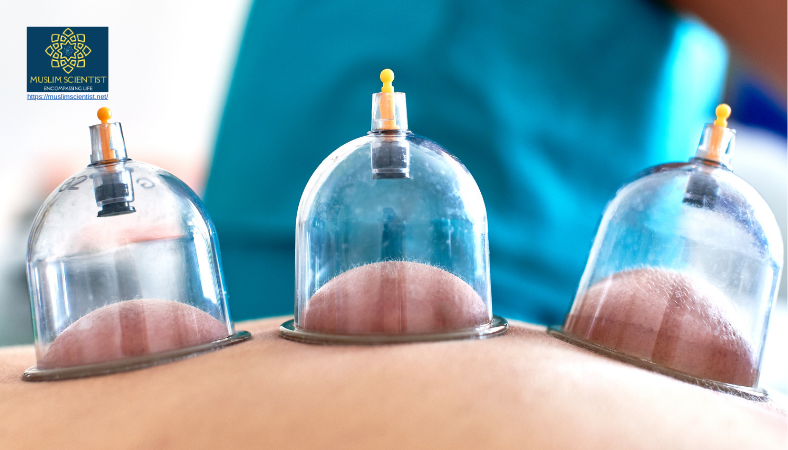
Unlike the more familiar dry cupping, Wet Cupping is a two-part procedure. First, suction cups are placed on the skin to create localized congestion. Then, small, sterile incisions are made, and a second suction draws out a small amount of blood. In Islamic Prophetic Medicine, this is often performed as a “Triple S” technique: Suction, Scarification, and a second Suction.
Traditionally, it’s believed to help purge the body of “harmful pathological substances” and stagnant blood, potentially improving circulation and triggering a healing response. From a mental health perspective, theories suggest the process may induce a profound relaxation effect, modulate the nervous system, and even create a powerful psychosomatic ritual of release and cleansing.
What Did the Review Find?
The review included studies on participants with a wide range of conditions, not all psychiatric. The mental health benefits were observed in people being treated for:
- Primary Mental Health Conditions: Depression, Panic Disorder, Post-Traumatic Stress Disorder (PTSD).
- Conditions with Psychological Components: Migraine, Metabolic Syndrome, Smoking Addiction, Chronic Medical Diseases.
- General Well-being: Even healthy volunteers reported improved quality of life.
Table 1: Summary of Key Findings from the Systematic Review
| Condition Studied | Sample Size (Across Studies) | Reported Mental Health Outcome | Key Takeaway |
|---|---|---|---|
| Depression | 142+ patients | Significant reduction in depression scores (BDI, GDS) post-therapy. | Wet cupping showed statistically significant effects in managing symptoms of depression. |
| Anxiety & Panic Disorders | Case studies & groups | Decreased anxiety, reduction/cessation of panic attacks. | Anecdotal and measured reports suggest a potent calming effect. |
| Migraine & Chronic Pain | 128+ patients | Improved quality of life, reduction in negative feelings (blue mood, despair). | Treating the physical condition also alleviated comorbid psychological distress. |
| Smoking Cessation | 46 patients | Significant decrease in anxiety frequency during quit attempt. | May be an effective adjunct therapy by managing withdrawal-related anxiety. |
| General Quality of Life | 53 healthy volunteers | Psychological domains “improved after sessions overall.” | Suggests a potential wellness and preventive benefit beyond treating illness. |
Across all nine studies, Wet Cupping was reported to be effective in reducing psychological symptoms. Three studies specifically noted that no participants complained of adverse events, highlighting its potential as a low-risk intervention when performed correctly.
A Closer Look at the Evidence
While the trends are encouraging, the review author urges caution. The quality of the evidence is currently low to moderate. Of the nine studies:
- Only three were Randomized Controlled Trials (RCTs—the gold standard).
- Two were single case reports.
- Sample sizes were often small.
- Many studies lacked rigorous control groups and blinding.
This means that while the results are positive, they are not yet conclusive. The strong placebo effect, the therapeutic ritual itself, and the lack of comparison to other standard treatments make it difficult to isolate the specific physiological effect of cupping.
How Might Cupping Affect Mental Health?
The review and referenced literature propose several mechanisms:
- The “Detox” Theory: The removal of a small amount of blood is believed to eliminate inflammatory cytokines and other substances that might contribute to brain fog and low mood.
- Neuromodulation: The stimulation of specific skin points (often on the back, corresponding to nerve pathways) may influence the autonomic nervous system, promoting a shift from “fight-or-flight” (sympathetic) to “rest-and-digest” (parasympathetic) states.
- Pain Gate Theory: By creating a controlled, minor somatic stimulus (suction and incision), cupping may interfere with pain signaling, which is deeply intertwined with emotional distress, especially in conditions like migraine and chronic pain.
- The Ritual Effect: The process involves dedicated time, touch, and a culturally or spiritually significant act of cleansing. This can be powerfully therapeutic, reducing feelings of helplessness and providing a tangible sense of taking control of one’s health.
Table 2: Wet Cupping for Mental Health – The Current State of Play
| Aspect | Status | What It Means |
|---|---|---|
| Overall Evidence Trend | Promising but Preliminary | Every study reviewed showed positive effects, but better-quality research is needed. |
| Safety Profile | Generally Safe | When performed by a trained practitioner using sterile techniques, serious adverse events are rare. |
| Best Use Case | Adjunct/Complementary Therapy | Should not replace psychotherapy or medication but may be integrated as a supportive treatment. |
| Standardization | Lacking | No standard protocol for session number, frequency, or points for specific mental conditions exists yet. |
| Cultural & Religious Significance | High in Muslim Communities | Practice is deeply rooted in Islamic tradition, which may enhance the placebo/meaning effect for believers. |
Important Caveats and the Path Forward
The review clearly states: “More rigorous studies are required.” Before Wet Cupping can be recommended as an evidence-based treatment for mental illness, we need:
- Large, high-quality RCTs comparing cupping to sham cupping and standard treatments.
- Standardized protocols for treatment duration, frequency, and anatomical sites for specific conditions.
- Studies on long-term effects beyond the immediate weeks post-treatment.
- Reporting of adverse events in all future studies to fully understand the risk-benefit profile.
Conclusion: An Ancient Practice with Modern Potential
The systematic review on Wet Cupping for mental health opens a fascinating door. It suggests that this ancient practice, deeply revered in Islamic medicine, may offer tangible benefits for the modern epidemics of anxiety, depression, and stress-related disorders. The preliminary data is encouraging enough to warrant serious scientific investigation.
For individuals struggling with mental health, it points to a potential complementary tool—one that works on both the body and the mind through a combination of possible physiological mechanisms and profound ritualistic healing. However, it is crucial to approach it with informed optimism: seek out highly trained, certified practitioners in sterile settings, and always consider it a complement to, not a replacement for, professional mental healthcare.
As research evolves, Al-Hijama may well earn a defined place in the integrative mental health toolkit, bridging the wisdom of prophetic tradition with the rigor of contemporary science.
Reference: here
Other Articles: