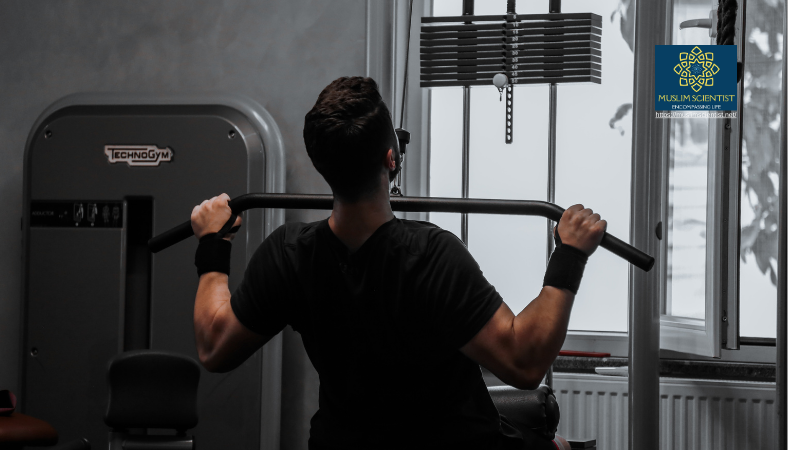
A new scientific study from China provides compelling evidence that regular physical activity doesn’t just build muscle—it builds a more generous, socially responsible character.
For millions, exercise is a pursuit of health, aesthetics, or stress relief. But what if lacing up your sneakers or rolling out a yoga mat also primed your brain and spirit to be more charitable? A research published in Frontiers in Psychology suggests exactly that: regular physical exercise is a significant predictor of both the likelihood and the amount of charitable giving.
Analyzing nationally representative data from over 5,000 Chinese residents, the study led by Xiaojuan Yang found a clear, dose-dependent relationship: the more frequently people exercised, the more likely they were to donate, and the larger their donations tended to be. This connection is mediated by two powerful psychological shifts: an enhanced sense of social responsibility and elevated subjective well-being.
This research provides a fascinating scientific framework for a holistic principle deeply embedded in Islamic teachings: that caring for the physical self (jism) is intrinsically linked to purifying the heart (qalb) and fulfilling social obligations (huquq al-‘ibad). The Prophetic tradition emphasizes a strong, believing body, linking physical vitality to spiritual capacity in a way this modern science now quantifiably supports.
The Science of Active Altruism: Key Findings
The study used data from the Chinese General Social Survey (CGSS 2012), analyzing exercise frequency against two metrics: donation participation (whether someone donated) and donation amount.
The results were striking and robust, surviving multiple statistical tests for reliability:
Table 1: The Exercise-Generosity Gradient: Clear, Positive Trends
| Frequency of Physical Exercise | % of People Who Donated | Relative Donation Amount (Indexed) |
|---|---|---|
| Never | 23.45% | 1.08 |
| A few times a year or less | 38.51% | 1.94 |
| Several times a month | 42.09% | 2.24 |
| Several times a week | 48.81% | 2.57 |
| Daily | 48.12% | 2.61 |
The trend is unmistakable: moving from a sedentary lifestyle to regular activity correlates with a more than doubling in donation participation and a similar rise in generosity. The study’s regression models confirmed this, showing that even after controlling for factors like income, education, and age, the positive association between exercise and generosity remained strong and statistically significant.
Why Does This Happen? The “Why” Behind the Data
The researchers didn’t just stop at correlation; they investigated the psychological mechanisms—the “why” behind the “what.” Their mediation analysis revealed two primary pathways:
- The Social Responsibility Pathway: Exercise, often involving rules, teamwork, and discipline, cultivates a greater sense of duty toward the collective. This aligns with the concept of Fard al-Kifayah (communal obligation) in Islam, where the well-being of society is a shared responsibility. The study found that exercise boosted this sense of responsibility, which in turn drove charitable acts.
- The Well-Being Pathway: Exercise triggers the release of endorphins, dopamine, and serotonin—neurochemicals that boost mood and life satisfaction. This creates a “feel-good” state. According to “warm-glow” theory and the “feeling good-doing good” effect, people in positive states are more inclined to help others to maintain that glow. In Islamic terms, this echoes the state of itmi’nan (tranquility of the heart), from which good deeds (hasanat) naturally flow.
Table 2: The Psychological Pathways from Gym to Generosity
| Mediating Pathway | How Exercise Helps | How It Leads to Generosity | Islamic Conceptual Parallel |
|---|---|---|---|
| Enhanced Social Responsibility | Fosters discipline, rule-following, and community belonging through sports. | Creates a felt duty to contribute to societal welfare and help those in need. | Mirrors Al-Mas’uliyyah Al-Ijtima’iyyah (Social Responsibility) and fulfilling Huquq al-‘Ibad (rights of others). |
| Increased Subjective Well-Being | Releases “feel-good” neurochemicals (endorphins, serotonin), reducing stress and boosting happiness. | Positive emotional state (“warm glow”) increases propensity for prosocial, helping behavior. | Resonates with Sakinah (tranquility) and Rida (contentment) as states that enable and motivate Ihsan (excellence in doing good). |
The Islamic Lens: A Holistic View of Strength and Charity
This research beautifully complements the integrated view of the human being in Islam, which does not compartmentalize the physical, psychological, and spiritual.
- The Strong Believer: The Prophet Muhammad (peace be upon him) said, “The strong believer is better and more beloved to Allah than the weak believer, while there is good in both.” (Sahih Muslim). This strength (quwwah) is not just spiritual or moral; it encompasses physical strength and vitality. A healthy, active body supports a mind and heart capable of greater worship, work, and service to others.
- Purification Through Discipline: Exercise requires mujahadah (striving against the self) and sabr (patience)—core Islamic virtues. The discipline cultivated on the running track or in the gym translates into the self-discipline needed to control one’s desires (hawa) and to consistently perform acts of charity, even when inconvenient.
- Charity (Sadaqah) as a Sign of Faith: The Quran repeatedly links belief with spending in the way of Allah. “The example of those who spend their wealth in the way of Allah is like a seed [of grain] which grows seven spikes; in each spike is a hundred grains…” (Quran 2:261). This study suggests that an active lifestyle cultivates the psychological soil—social responsibility and well-being—from which this “seed” of charity is more likely to sprout and flourish.
- Community (Ummah) and Collective Well-being: The mediating role of social responsibility directly aligns with the Islamic emphasis on the Ummah as a single body. The Prophet (pbuh) said, “The believers in their mutual kindness, compassion, and sympathy are just like one body. When any limb aches, the whole body reacts with sleeplessness and fever.” (Sahih al-Bukhari). Exercise, especially in group settings, reinforces this sense of interconnectedness and mutual duty.
Implications: A Prescription for a Healthier, Kinder Society
The practical implications of this research are vast and encouraging:
- For Public Policy: Governments and community planners should view public sports facilities, parks, and community fitness programs not just as health infrastructure, but as social cohesion and charity-enhancing infrastructure. Promoting mass sports participation is a strategy for building a more compassionate, engaged citizenry.
- For Philanthropic Organizations: Charities might find more engaged donors at local parks, sports clubs, and marathons than anywhere else. Partnering with fitness events for charity runs or “workout-for-a-cause” campaigns leverages this natural link.
- For Personal Development: This adds a powerful, often overlooked motivator to our fitness goals. Your workout isn’t just for you. By strengthening your body and boosting your well-being, you are also conditioning yourself to be a more responsible, generous, and positively impactful member of your community. It makes the concept of ‘ibadah (worship) in Islam even more holistic—taking care of your health becomes an act that enables greater social good.
Conclusion: Your Next Workout is an Act of Social Faith
The message from this cutting-edge research is clear and empowering: Physical activity is a powerful catalyst for prosocial character. It builds more than endurance; it builds empathy. It burns more than calories; it can burn away indifference.
In striving for physical health, we inadvertently nurture the psychological seeds of social responsibility and happiness, which blossom into acts of generosity. This is a powerful, evidence-based echo of the Islamic ideal: a believer whose physical strength, mental peace, and spiritual generosity are in harmonious alignment.
So the next time you contemplate skipping a workout, remember: you’re not just exercising for your heart rate or physique. You are engaging in a transformative practice that, according to science and faith, strengthens your heart’s capacity to care for others. Move your body, and you might just find yourself more moved to open your hands and give.
Reference: here
Other Articles: