In the heated debates over religious slaughter, a common assumption prevails: stunning animals before killing is the only humane method, and religious slaughter without stunning is inherently cruel. B...

You take a pill for your headache. You receive a vaccine. You use an insulin pen for diabetes. In most cases, you never think about where the ingredients in these medicines come from. But for the worl...
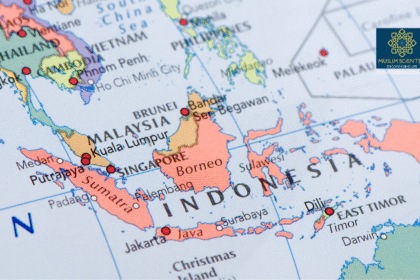
As the global halal food market surges toward a projected $4 trillion, a new study reveals the intricate and fascinating systems that Malaysia, Singapore, and Indonesia use to ensure that the food on ...

For centuries, communities living in high-altitude regions like the Qinghai-Tibet Plateau have thrived on unique diets shaped by culture, environment, and faith. Now, a groundbreaking new study reveal...

A study across Istanbul, Berlin, and Kuala Lumpur reveals that a student’s understanding of halal is deeply influenced by their city’s culture, policies, and social fabric—not just their t...
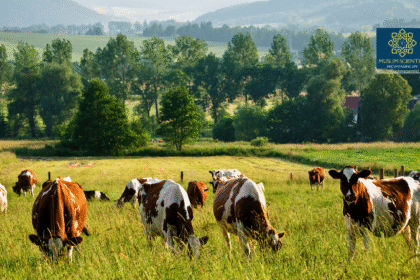
In the bustling, modern world of industrial food production, a centuries-old commandment is finding new resonance through science: “Sharpen your blade to relieve its pain.” This directive,...
In the sprawling, state-of-the-art meat processing plants of rural Poland, a centuries-old religious practice is the cornerstone of a modern export miracle. Here, trained Jewish shochets and Muslim sl...

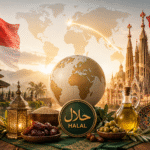
For over 1.9 billion Muslims around the world, “halal” is more than just a label—it’s a lifestyle. It signifies food, cosmetics, and services that are not only permissible under Isla...

Halal tourism is exploding as a powerhouse in global travel, perfectly aligning Islamic values with UN sustainability goals and cutting-edge digital tools. A study reveals how this sector promises eth...

Young Indonesian Muslims prioritize halal labels on foreign snacks and mall eats, defying trends of loosening traditions. A study reveals attitudes and family influence drive their choices, boosting b...

A new study spotlights exploding demand for halal food in Asia and Europe, where Muslim minorities and tourists drive a lucrative market despite non-Muslim majorities. Researchers highlight thriving h...

Thai halal cuisine is surging as a powerful soft power tool, leveraging sentiment analysis to tap into China’s massive halal demand driven by 25 million Muslims and Belt and Road ties. With glob...
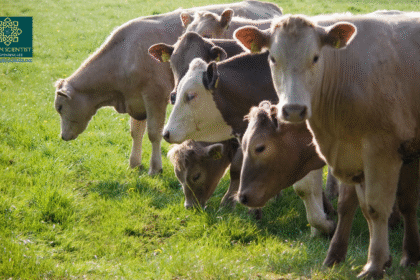
Islamic principles of compassion toward animals have sparked groundbreaking collaborations with veterinary scientists, challenging stereotypes and advancing humane slaughter practices worldwide. This ...
A study from Indonesia reveals how everyday fish waste—like heads, bones, skins, and fins—can be transformed into high-value halal gelatin and nutrient-packed fish oil using a simple, eco-friendly hyd...
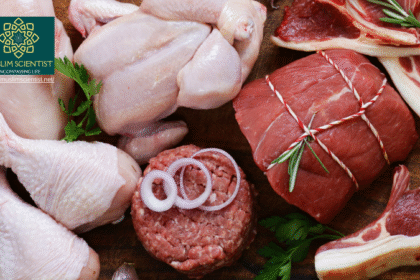
Halal beef from U.S. markets matches non-halal in microbiological safety, debunking myths about ethnic grocers and highlighting shared opportunities for better handling in small shops. A year-long stu...