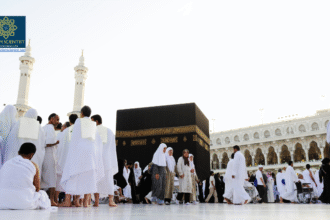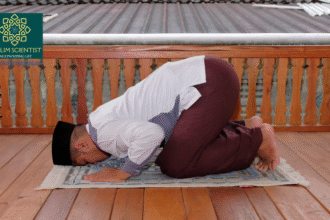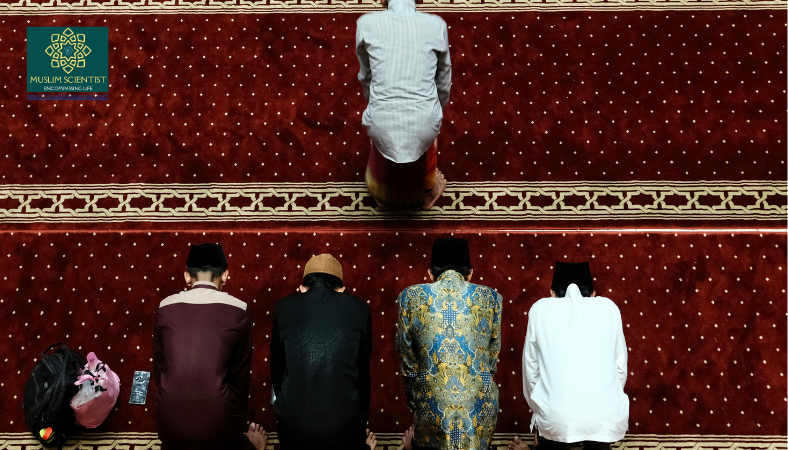
A study reveals that Islamic prayer, or Salah or Namaz, acts like a natural thermostat for stress, adjusting hormones and even gene expression in minutes. Healthy Muslim participants saw cortisol levels rise when too low and drop when too high after just four cycles of prayer, bringing them toward optimal balance. This simple daily practice, blending movement, focus, and spirituality, offers hope for managing modern stress without pills or apps.
The Stress Epidemic Today
Stress hits everyone hard in 2026’s fast-paced world, disrupting sleep, immunity, and mood while raising risks for heart disease and depression. Chronic pressure activates the body’s fight-or-flight mode via cortisol from the HPA axis and alpha-amylase from the SAM axis, but imbalance harms health. Low cortisol signals exhaustion or chronic fatigue; high levels fuel anxiety and inflammation.
Over 1.2 billion Muslims worldwide perform Namaz five times daily—standing, bowing, prostrating, sitting—reciting verses in focused devotion. Researchers long suspected its meditative and physical elements mimic yoga or mindfulness, but hard science was lacking. Enter this Iranian study: the first to measure Namaz’s instant biological punch on stress markers via saliva tests.
Study Design and Participants
Eighty-three healthy Iranian adults (47 men averaging 44 years, 36 women at 34 years) who regularly pray joined—no diseases, no meds, no heavy exercise. Between 10 a.m. and 3 p.m., they fasted an hour, rinsed mouths, did ablution, gave baseline saliva, prayed four rakaats (under 5 minutes), then resampled.
Saliva revealed cortisol (ELISA kits) and alpha-amylase; 11 random samples probed BDNF and IL-6 genes via RT-PCR. Stats used ANOVA for hormone shifts, t-tests for genes—gold-standard rigor from Baqiyatallah University. Gender balance held across groups, ensuring fair results.
Hormonal Harmony Achieved
Namaz shone brightest on cortisol: grouped by baseline (<5 ng/ml low, 5-15 normal, >15 high), low group surged significantly post-prayer (p<0.0005), high group plunged (p<0.0005), normal stayed steady. Optimal range (5-21.5 ng/ml) acts as a daily reset, vital for metabolism, brain function, and immunity.
Alpha-amylase followed suit: low-baseline group (<100,000 U/L, 43 participants) spiked post-Namaz (p=0.014), while high stayed put. This marker of sympathetic activation energizes when needed, combating sluggishness without overdrive. In 5 minutes, prayer normalized stress signals—faster than any meditation trial.
Cortisol Reset Table
| Baseline Group | Change After Namaz | Statistical Significance | Health Impact |
|---|---|---|---|
| Low (<5 ng/ml) | Significant Increase | p<0.0005 | Boosts energy, fights fatigue |
| Normal (5-15 ng/ml) | No Change | N/A | Maintains balance |
| High (>15 ng/ml) | Significant Decrease | p<0.0005 | Reduces anxiety, inflammation |
Namaz pulls extremes toward ideal, promoting resilience.
Gene-Level Stress Shield
Deeper dive: BDNF gene, which spikes in acute stress and drops in depression/anxiety, fell significantly post-Namaz (paired t-test, p<0.05). This “brain fertilizer” supports neuron growth; acute drop may counter stress overload, preventing chronic lows linked to mental woes. IL-6, inflammation tied to psychosocial strain, held steady—no adverse shift.
RNA quality shone (260/280 >2, clear electrophoresis), confirming reliable genetics. First-of-its-kind saliva gene data hints Namaz rewires stress at DNA level, echoing yoga’s long-term BDNF boosts but instantly.
BDNF Expression Shift
| Gene | Pre-Namaz CT (Mean ± CI) | Post-Namaz CT (Mean ± CI) | Change |
|---|---|---|---|
| BDNF | Higher expression | Significant decrease (p<0.05) | Stress-buffering drop |
| IL-6 | Stable | No significant change | Inflammation neutral |
Encouraging genetic calm from routine prayer.
Why Namaz Works Wonders
Namaz fuses physical postures (like yoga), rhythmic recitation (mantra-like), and spiritual surrender—unique multisensory reset. Past EEG studies show it amps alpha waves for relaxation, cuts heart rate, boosts parasympathetic calm. Unlike prolonged yoga (15+ minutes for cortisol dips), Namaz delivers in under 5, ideal for busy lives.
It restores homeostasis: low cortisol/alpha-amylase folks get energized; high ones unwind. BDNF dip may preempt acute stress buildup, fostering long-term mental fortitude amid rising depression from societal pressures. No control group limits causality, but patterns align with meditation meta-analyses showing modest cortisol tweaks.
Real-World Hope and Ties to Faith
For everyday folks, Namaz offers free, accessible stress armor—five daily slots build resilience. Muslims in Depok or globally gain science-backed validation: prayer isn’t just worship; it’s wellness. Echoes prior finds: Namaz aids PTSD recovery, lowers blood pressure in positions.
Limitations? No non-prayers for comparison, small gene sample due to funding, acute only—calls for long-term trials versus mindfulness. Yet, ethics-approved (Baqiyatallah REC), funded by Imam Sadiq Center, it pioneers Islamic health science.
Path to Peaceful Living
This Journal of Medicine and Life paper (DOI:10.25122/jml-2021-0167) spotlights Namaz’s “survival role” in homeostasis. Amid 2026’s mental health crisis, it urges integrating prayer with modern life—no gym needed. Future: track chronic effects, compare faiths, expand samples.
Imagine: stressed worker prays Dhuhr, cortisol balances, day improves. BDNF modulation hints brain protection, slashing anxiety odds. As lead Boshra Hatef notes, Namaz fosters “peace of mind and body via stress modulation—even at gene level.” Faith meets frontier science—empowering billions.
Reference: here
Other Articles: