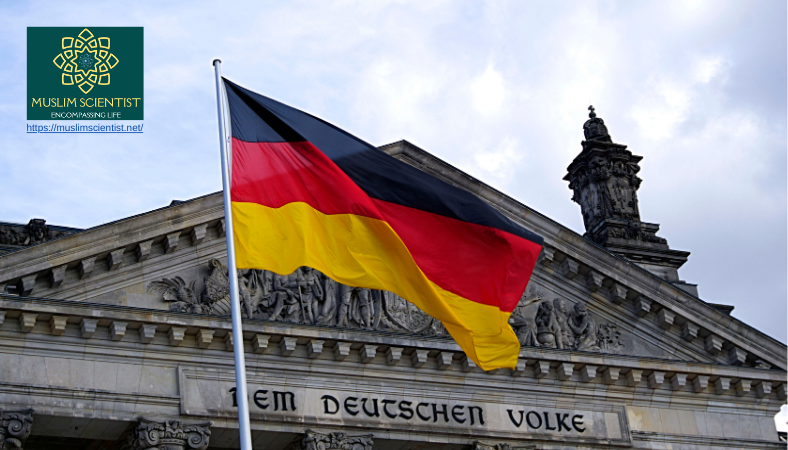
Germany’s Muslim population, estimated at over 4 million, shapes a thriving halal food market fueled by religious dietary rules banning pork and alcohol. A 2014 study reveals 93% awareness of halal labels, with shoppers prioritizing them for meat and willing to pay up to 18% premiums. This opens huge opportunities for food businesses targeting diverse consumers.
Muslim Consumers in Germany
Around 4.3 million Muslims live in Germany, mostly Turkish-origin (85% identify as Muslim), representing a key market segment amid rising migration. Official stats undercount due to survey reluctance, but estimates highlight their economic clout in food shopping. Cultural norms heavily influence buying, with halal—meaning “permissible”—ensuring no pork, alcohol, or improper slaughter, extending to production, feeding, and processing.
Halal rules from the Quran (Sure 5, Vers 4) prohibit carrion, blood, pork, and animals not slaughtered in Allah’s name facing Mecca. Allowed animals include cattle, sheep, chickens, and fish with scales; forbidden are pigs, dogs, predators, and birds of prey. Slaughter requires a Muslim butcher, live animals, no pain, full bleeding, and cutting windpipe/esophagus/carotid arteries. Many accept reversible stunning (e.g., electric) if animals live and bleed fully, adapting to German animal welfare laws.
Halal Certification Explained
Global halal standards vary by Islamic schools (Sunni, Shia), with bodies like JAKIM (Malaysia), MUI (Indonesia), and EU Halal-Control issuing certificates. OIC’s SMIIC harmonizes via guidelines covering food hygiene (CODEX), safety (ISO 22000), and traceability. Audits check ingredients, processes, and halal-critical points; Germany’s Halal-Lebensmittel e.V. offers unified RAL seals. Products span meat, dairy, bakery, sweets, even packaging—covering farms to shelves.
Consumers trust certifications for religious compliance (4.73/5 rating), no pork/alcohol (4.66/5), and Islamic production (4.66/5). Health/quality links score lower (3.12/5), emphasizing faith over taste. 80% know certifications, linking them to guarantees (4.07/5) and trust (4.02/5).
Survey Insights: High Demand and Preferences
A 2013 Göttingen study surveyed 94 Ramadan-fasting Muslims (74% male, avg. 38 years, 79% Turkish). 94% know halal foods; 93% check halal status when shopping, 75% seek labels. Meat tops priorities: red meat (4.85/5), white meat/poultry (4.88/5), sausages (4.86/5), döner (4.81/5). Dairy (yogurt 4.44/5, cheese 4.56/5), bakery (4.45/5), sweets (4.36/5) follow; even drinks/ice cream score high (4.18/5).
Shopping frequency: 72% buy halal often/exclusively (avg. 3.85/5). Ethnic/hybrid ethnic stores dominate sensitive items: 79% always buy sausages there, 77% red meat, 64% poultry. Supermarkets suit less critical goods like drinks/bakery. High education (42% university), German fluency (69% good/very good), and income (€1,874 avg. household) support premium spending.
Encouraging Market Data
| Product Category | Importance Rating (1-5) | % Always Buying Halal | Willingness to Pay More |
|---|---|---|---|
| Red Meat | 4.85 | 77% | 18% |
| Poultry/White Meat | 4.88 | 64% | 18% |
| Sausages | 4.86 | 79% | 16% |
| Döner | 4.81 | High (not specified) | 15% |
| Cheese | 4.56 | Moderate | 15% |
| Yogurt | 4.44 | Moderate | 13% |
| Shopping Habits | Ethnic Stores (% Always) | Supermarkets (% Often) | Key Driver |
|---|---|---|---|
| Sausages | 79% | Low | Halal trust |
| Red Meat | 77% | Low | Religious rules |
| Poultry | 64% | Moderate | Availability |
| Bakery/Sweets | Moderate | High | Daily needs |
| Drinks | Low | 50%+ | Less sensitive |
| Overall Halal Buy Freq | – | – | 3.85/5 avg. |
Business Opportunities and Challenges
Muslims prefer ethnic shops for trust in halal compliance, giving them an edge over discounters/supermarkets. Mainstream retailers can compete by expanding halal ranges, especially daily items. Willingness to pay 11-18% more signals profitability—red meat leads at 18%. No major barriers: low price sensitivity (1.91/5 objection), good availability/trust.
Global halal market grows with OIC standards; German firms gain via certifications like SGS or mosque audits. Ethnic marketing taps cultural loyalty, but assimilation may shift younger generations. Non-Muslims’ reactions to halal shelves need study; trust in certifiers key for expansion.
Food industry eyes this: imports from Turkey dominate, but local halal production rises. Hybrid stores blend cultures, boosting competition. Policymakers note: harmonized standards cut trade barriers, aid exports to 57 OIC nations.
Future Growth and Integration
Over 4 million Muslims demand halal across categories, with 93% prioritizing it— a € billions market. Surveys show faith-driven loyalty, premiums, and store choices favoring compliant outlets. Retailers adapting win big: add labels, partner certifiers, target meats/dairy.
Challenges: certification variety confuses; stunning debates persist, but flexibility grows. Positives: educated, integrated consumers (31% 30+ years in Germany) ready for mainstream halal. Research gaps: Gen 3/4 habits, non-Muslim views—vital for scale.
Germany’s diverse food scene thrives as businesses embrace halal, fostering inclusion and economy.
Reference: here
Other Articles: