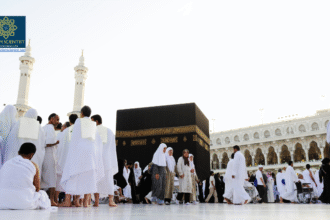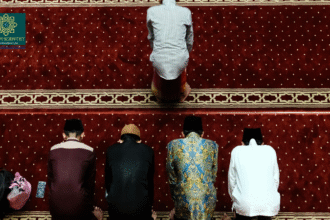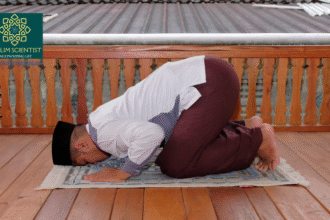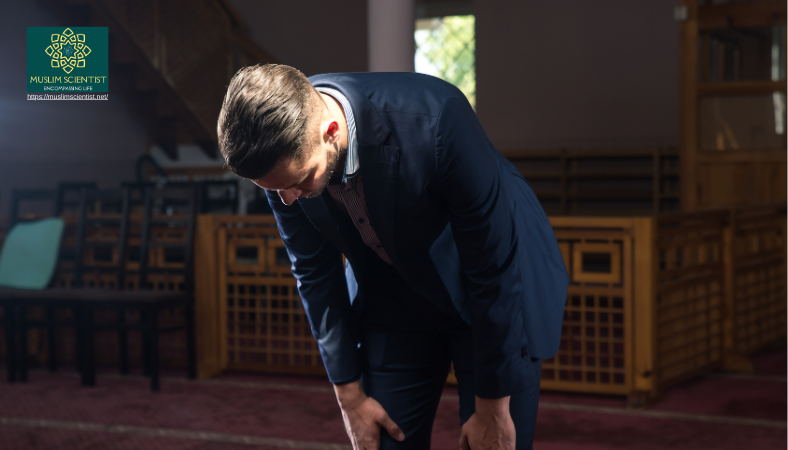
A study offers hope to millions of Muslims undergoing spine surgery, showing most surgeons agree patients can resume full Salah prayer within 4-6 weeks in many cases. This research highlights clear paths to spiritual recovery alongside physical healing. Spine experts surveyed emphasize safe, modified practices early on, paving the way for unrestricted prayer soon after.
Study Overview
Spine surgeons in Saudi Arabia shared their views on when Muslim patients can safely perform Salah after common operations like lumbar discectomy and cervical fusion. The cross-sectional survey reached 90 experts out of 200, achieving a 45% response rate, with balanced input from neurosurgeons and orthopedics. Findings reveal consistent timelines, stressing factors like pain relief and mobility, while calling for standardized guidelines to support patients’ religious needs.
Key positives emerge: 91% of surgeons allow full Salah after 4 weeks post-lumbar discectomy with fusion, signaling faster returns than expected. Over 70% of surgeons routinely advise modified Salah during recovery, promoting early spiritual engagement without risk. This approach aligns with evidence that gentle mobility boosts outcomes, giving patients reassurance during tough recovery periods.
Surgeon Profiles
Respondents spanned ages 30-60, mostly males (91%), with consultants leading at 57%, followed by residents (27%) and fellows (17%). Nearly half were neurosurgeons (48%) and half orthopedic surgeons (52%), 78% had under 10 years’ experience, and 62% performed fewer than 100 spine surgeries yearly.
| Characteristic | Frequency (%) |
|---|---|
| Age 30-39 years | 41 (45.5%) |
| Consultants | 51 (56.7%) |
| <10 years experience | 70 (78%) |
| <100 surgeries/year | 56 (62%) |
| Neurosurgery specialty | 43 (47.8%) |
This diverse group ensures broad perspectives, with 79% deeming Salah questions highly relevant and 71% eager for more training on cultural care. Such enthusiasm promises better support for Muslim patients worldwide.
Recovery Timelines by Surgery
For lumbar discectomy without fusion (LMD), 43% recommend 4-6 weeks for full Salah, 21% say 2-4 weeks, and surgeons prioritize pain levels (45%) and stability (38%). With fusion (LDF), 62% advise over 6 weeks, but 91% clear after 4 weeks in some contexts, favoring modified positions (87%).
Scoliosis surgery sees 76% suggesting at least 6 weeks, with 84% endorsing chair-based Salah initially. Cervical procedures show promise: anterior fusion (ACDF) has 40% at 4-6 weeks, posterior (PCDF) similar at 44%, and 23% allow under 2 weeks for anterior approaches.
| Surgery Type | <2 Weeks (%) | 2-4 Weeks (%) | 4-6 Weeks (%) | >6 Weeks (%) |
|---|---|---|---|---|
| LDF | 1 | 7 | 30 | 62 |
| LMD | 10 | 21 | 44 | 25 |
| Scoliosis | – | – | 24 | 76 |
| ACDF | 23 | 13 | 40 | 25 |
| PCDF | 9 | 8 | 44 | 39 |
These timelines encourage patients: most regain full prayer within weeks, far quicker for non-fusion cases.
Influences on Advice
Specialty matters—orthopedics often recommend longer waits and more X-rays (up to 70% vs. neurosurgeons), prioritizing bone stability. Experience counts: high-volume surgeons (>100/year) tailor advice individually, 50% focusing on mobility. Education level sways views; consultants lean conservative, residents emphasize stability.
Significant differences shine: LDF vs. LMD shows stricter fusion rules (P<0.001), anterior cervical quicker than posterior (P=0.01). Yet, 68% order X-rays pre-clearance, ensuring safety.
Path to Consensus
Variability stems from training and focus—neurosurgeons favor early mobility for nerve health, orthopedics bone fusion. Studies echo this for sports return, but Salah specifics are novel, filling a gap for 1.8 billion Muslims. Modified Salah (sitting/chair) dominates advice (70-87%), mirroring golf/swim protocols with proven safety.
71% want training, signaling progress toward uniform guidelines. Personalized plans—considering age, fitness—promise optimal recovery.
Implications for Patients
Muslim patients gain clarity: expect 4-6 weeks for many, start modified day one. Discuss specialty, experience with your surgeon; request X-rays for confidence. Early prayer aids mental health, complementing physical gains.
This study empowers: spine surgery no longer halts faith life long-term. Future research eyes patient views, refining global standards.
Reference: here
Other Articles: