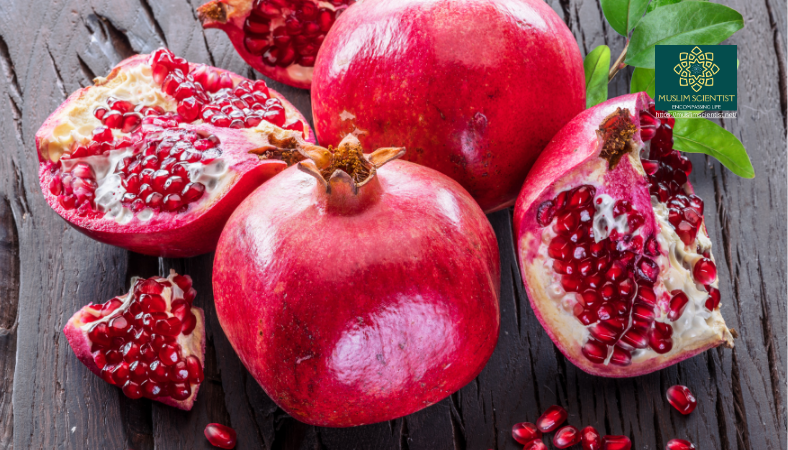
For over three millennia, the ruby-red pomegranate has been more than just a fruit. In the heart of ancient Persia, it was carved into limestone reliefs as a symbol of peace and love. In the halls of medieval Islamic hospitals, its every part—from the juicy arils to the bitter peel and delicate flowers—was a trusted medicine. Today, science is unraveling the molecular secrets behind this ancient wisdom, confirming that the pomegranate is one of nature’s most potent “functional foods.”
A comprehensive new review bridges a 3,000-year gap. It meticulously compares the prescriptions of Persian and Islamic Traditional Medicine (ITM) with findings from modern preclinical and clinical studies. The conclusion is striking: much of the traditional use of pomegranate is now supported by robust scientific evidence, highlighting its potential in managing conditions from gastrointestinal distress and respiratory infections to skin aging and heart disease.
The Fruit of Legends and Lifesaving
In Persian culture, the pomegranate (“Anar”) is legendary. The warrior Isfandiyar was said to gain invincibility by eating one. Its flower symbolized peace, often depicted in the hands of Persian kings. But beyond myth, it was a cornerstone of practical medicine. Great physicians like Avicenna (Ibn Sina) and Al-Razi documented its uses in encyclopedic texts, categorizing it by taste (sweet, sour, sour-sweet) and property (cooling, drying, astringent).
The review explains that traditional healers prized pomegranate’s astringency—its ability to contract tissues, stop bleeding, and dry dampness. This property, we now know, is largely due to its incredibly rich content of polyphenols, particularly ellagitannins like punicalagin, which convert in the gut to beneficial urolithins.
A Body-System Guide: Ancient Wisdom Meets Modern Proof
The research maps traditional applications onto modern scientific findings across nearly every system in the body:
1. The Gut Guardian
- Traditional Use: ITM physicians prescribed pomegranate peel decoctions for diarrhea, intestinal worms, and stomach ulcers. Sweet pomegranate juice was considered a stomach strengthener.
- Modern Evidence: Science confirms potent antibacterial and anti-parasitic effects. Pomegranate peel extract shows activity against H. pylori (linked to ulcers), E. coli, and intestinal worms. Its anti-inflammatory polyphenols help soothe conditions like colitis and protect against digestive cancers.
Table 1: Pomegranate for Digestive & Metabolic Health – Tradition vs. Science
| Condition | Traditional Prescription (ITM) | Modern Scientific Support |
|---|---|---|
| Diarrhea & Dysentery | Decoction of peel or flowers. | Ellagic acid & punicalagin show significant antidiarrheal activity in studies. |
| Intestinal Worms | Peel powder with warm water. | Peel extracts demonstrate anti-parasitic effects. |
| Stomach Ulcers / H. pylori | Not explicitly named, but used for “stomach heat” and wounds. | Peel ethanol extract shows direct anti-H. pylori activity in lab studies. |
| Poor Liver Function | Considered a “cooling” agent for the liver; antidote for alcohol toxicity. | Extracts protect against fatty liver disease, liver fibrosis, and toxin-induced damage via antioxidants. |
| Diabetes & Metabolic Health | Noted to improve complexion, hinting at systemic benefits. | Improves insulin sensitivity, reduces blood sugar & lipids; punicalagin modulates key metabolic pathways. |
2. The Lung Ally
- Traditional Use: Sweet pomegranate juice mixed with almond oil was a classic remedy for dry, chronic coughs and chest pain.
- Modern Evidence: Pomegranate extracts exhibit antiviral and anti-inflammatory effects in the respiratory tract. Notably, compounds like punicalagin have shown potential in computer simulations to block the SARS-CoV-2 virus from entering human cells. Studies also show benefits for asthma and lung inflammation.
3. The Skin Healer and Anti-Aging Marvel
- Traditional Use: The highly astringent flowers (“Golnar”) and peel were used for wounds, burns, and to tighten tissue.
- Modern Evidence: Clinical trials show pomegranate extract protects skin from UVB damage, improves elasticity, reduces wrinkle depth, and accelerates wound healing. Its antioxidants combat the free radicals that drive aging.
Table 2: Pomegranate for Skin, Heart & Beyond – Validated Benefits
| Body System | Key Traditional Claim | Validated Modern Application & Mechanism |
|---|---|---|
| Skin Health | Flower (Golnar) for wound healing; Astringent to tighten skin. | Clinical Trial: Topical extract improved skin moisture, elasticity, and reduced wrinkles. Peel extract stimulates collagen in wound healing. |
| Cardiovascular | “Polishes the heart,” prevents “waste” in vessels (anti-atherosclerotic). | Juice consumption lowers systolic & diastolic blood pressure (meta-analysis). Protects against arterial plaque, improves cholesterol profile. |
| Reproductive Health | Peel decoction for uterine infections; General tonic. | Improves sperm quality & testosterone in male studies; Shows antiviral activity against HSV; May ease menstrual bleeding. |
| Oral Health | Flower mouthwash for gum disease and loose teeth. | Mouthwash reduces plaque bacteria as effectively as chlorhexidine in some studies; Fights oral pathogens like S. mutans. |
4. The Heart Protector
- Traditional Use: Called a “polish for the heart,” it was used for palpitations and to cleanse the cardiovascular system.
- Modern Evidence: Human trials show pomegranate juice significantly lowers blood pressure. Its antioxidants prevent LDL (“bad”) cholesterol oxidation, a key step in atherosclerosis, and improve overall blood vessel function.
5. A Global Heritage of Healing
The review notes that pomegranate’s medicinal use spread far beyond Persia, appearing in traditional pharmacopoeias from India and Pakistan (Ayurveda, Unani) to Mexico, Turkey, and Algeria—often for similar conditions like diarrhea, dysentery, and sore throats, underscoring its empirically discovered value.
The Call to Science: From Tradition to Targeted Therapy
The authors emphasize that while the overlap between tradition and science is encouraging, this is just the beginning. Many traditional applications still lack rigorous human clinical trials. For instance, traditional uses for eye health or certain infections need more validation.
The future lies in:
- Isolating Key Compounds: Identifying the specific molecules behind each benefit (e.g., punicalagin for inflammation, urolithins for gut health).
- Standardized Extracts: Developing consistent, potent supplements and medicines.
- More Human Trials: Moving from promising lab and animal studies to definitive human outcomes.
Conclusion: A Testament to Timeless Wisdom
This research does more than list health benefits. It validates a profound historical dialogue between humans and nature. Our ancestors, through careful observation over centuries, identified a powerful healer in the pomegranate. Modern science, with its microscopes and clinical trials, is now decoding the “why.”
The pomegranate stands as a powerful symbol: true wellness often bridges ancient wisdom and modern knowledge. It reminds us that sometimes, the most advanced medicine can be found not just in a lab, but in the timeless, seed-filled heart of a fruit revered for millennia.
Reference: here
Other Articles: