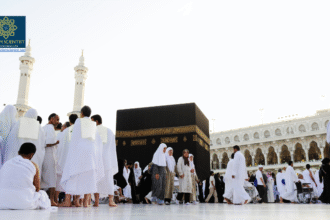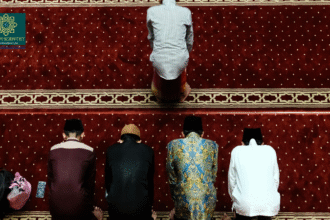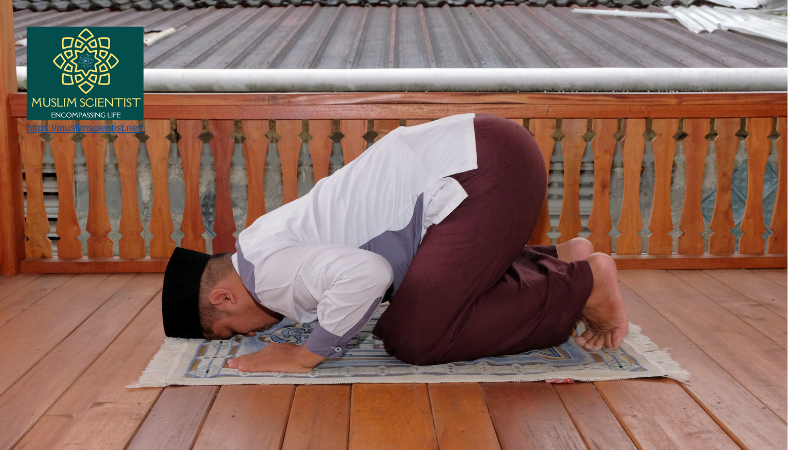
Daily Islamic prayer, known as Salah, offers proven physical and mental health benefits backed by recent scientific studies, acting as a low-impact exercise that boosts heart health, reduces stress, and improves balance especially for older adults. This systematic review from the Journal of Religion, Health and Society analyzes 40 studies from 2009-2024, revealing Salah’s role in enhancing cardiovascular fitness, musculoskeletal strength, neurological function, and psychological well-being. For millions of Muslims performing five daily prayers—Fajr, Dhuhr, Asr, Maghrib, and Isha—Salah combines rhythmic movements like standing, bowing, prostration, and sitting into a holistic routine that rivals yoga or light therapy.
Physical Strength and Balance Boost
Salah’s postures engage full-body muscles, promoting joint flexibility and posture correction, with studies showing reduced osteoarthritis risk and better equilibrium in seniors. One analysis of 217 participants found regular Salah practitioners reported 91.3% physical health improvement, far surpassing irregular (86.4%) or rare (86.2%) performers. Biomechanical research highlights prostration (sujud) angles mirroring physiotherapy poses, easing musculoskeletal pain for sedentary people.
Here’s key encouraging data on physical outcomes:
| Study Focus | Key Finding | Improvement Rate |
|---|---|---|
| Physical Health in 217 Participants | Regular Salah vs. Irregular | 91.3% vs. 86.4% |
| Balance in Elderly (Berg Balance Scale) | Consistent Postures | Significant Enhancement |
| Joint Mobility & Muscle Activation | Prostration Angles | Comparable to Physiotherapy |
These results position Salah as accessible rehab for geriatric and disabled groups, activating most joints with minimal strain.
Heart Health and Metabolic Wins
Salah induces mild cardiovascular exertion, regulating blood flow and pressure, with trials showing drops in systolic/diastolic readings among elderly women after Salat Dhuha. A randomized study of overweight adults noted reduced body fat, weight, and boosted immune cells like lymphocytes post-Salah. Heart rate variability improves during bowing and prostration, lowering sympathetic stress tones.
Encouraging cardiovascular stats include:
| Health Metric | Pre-Salah Average | Post-Salah Change |
|---|---|---|
| Systolic Blood Pressure (Elderly Women) | Elevated (Hypertension Risk) | Significant Drop (8-Rakaat Group) |
| Heart Rate in Prostration | N/A | Dramatic Decrease |
| Body Fat % (Overweight Adults) | Higher Baseline | Reduced After 4 Weeks |
Such effects make Salah a pro-metabolic ally, burning calories and aiding obesity control without gym access.
Mental Wellness and Brain Boost
The meditative focus in Salah spikes alpha and gamma brain waves, fostering calm like mindfulness, with lower cortisol and anxiety in practitioners. Schizophrenia patients gain focus from consistent Salat and dhikr, while students praying report halved depression rates versus non-religious peers. EEG studies confirm heightened parietal/occipital activity during prayer, enhancing cognition and emotional regulation.
Salah’s spiritual layer—reciting Quran while moving—amplifies adherence over secular routines, per comparative yoga insights. Oxidative stress drops in elderly women via Salat Dhuha, balancing antioxidants like GPx.
Rehab and Long-Term Promise
In rehab, Salah aids motor recovery and postural reflexes, suitable for knee/hip surgery patients due to controlled flexion. It drains sinuses, boosts lung function, and counters varicose veins via venous return. Surveys show 95.8% believe prayers heal alongside medicine, cutting healthcare needs.
Limitations persist—small samples, short-term focus—but trends urge larger trials. Integrating Salah culturally enhances holistic care.
Reference: here
Other Interesting Articles: