A scientific paper explores how the daily Islamic practice of wudu—ritual ablution—could serve as a natural regulator for the skin’s microbiome, potentially enhancing hygiene and preventing infections in everyday life. This hypothesis challenges conventional sanitization methods, suggesting wudu’s structured washing protocol aligns with cutting-edge microbiology research.
Unlocking Wudu’s Hygiene Power
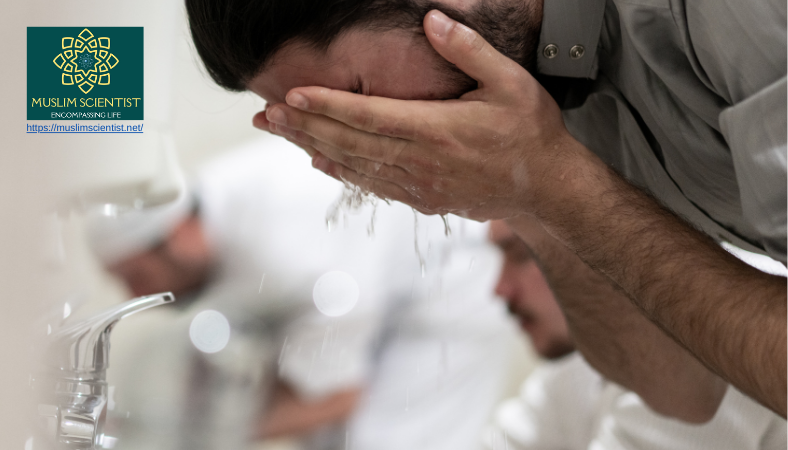
Wudu, performed one to five times daily by Muslims worldwide, involves a precise sequence: washing hands three times, mouth and nostrils, face, arms to elbows, wiping the head and ears, and feet up to ankles. Covering 14.5% of the body surface—head (3.5%), neck (2%), forearms (3%), hands (2.5%), feet (3.5%)—it functions like a hygiene algorithm, prioritizing high-contact areas. Hands receive the most attention, washed and rubbed 12 times for palms and 6 for backs, respecting gravity to minimize contamination spread.
This ritual, rooted in Quran (Surah Al-Maidah 5:6) and prophetic traditions, equates to half of faith for believers, blending spiritual purity with physical cleanliness. Unlike aggressive antiseptics, wudu uses clean water, preserving beneficial skin microbes while targeting pathogens—a balance modern science increasingly values.
Skin Microbiome: Wudu’s Hidden Ally
Human skin hosts over 1,014 microbial species, forming a protective barrier against invaders while aiding immunity and lipid production. Commensal bacteria like Staphylococcus epidermidis fight pathogens and reduce inflammation, but imbalances link to acne, psoriasis, atopic dermatitis, and infections. Wudu’s targeted washing could maintain this “beneficial momentum,” as the paper hypothesizes, by standardizing high-risk zones like hands and feet.
Studies show ocean water temporarily resets skin bacteria, similar to wudu’s universal water use. Forearms, a “grey zone” just beyond hands, get triple washes to prevent reinfection, mirroring surgeon protocols. During pandemics like COVID-19, extending handwashing to elbows—as wudu does—could amplify WHO guidelines, saving lives without harsh chemicals.
Key Research Insights on Skin Health
Recent studies highlight wudu’s potential dimensions:
| Study Year & Site | Participants | Key Finding | Wudu Relevance |
|---|---|---|---|
| 2019, Calf (Ocean Exposure) | 9 | Swimming standardizes microbiota; ocean bacteria dominate temporarily. | Water as universal cleanser, non-aggressive to normal flora. |
| 2019, Foot (Tinea Pedis) | 26 patients + 10 controls | Diseased skin: 26 bacterial phyla vs. 12 healthy; fungal overgrowth. | Feet washing thrice targets infection hotspots. |
| 2015 Review, Hands | Various | Hands vary most; palms richer in phylotypes than backs. | Extra palm rubbing (12x) matches microbial density. |
| 2019, Cheek (Age Groups) | 73 women | Young: replication/repair; older: biodegradation. | Universal practice tests efficacy across ages. |
This table showcases encouraging data: wudu aligns with findings where hygiene prevents dysbiosis without eradicating helpers.
Encouraging Data: Wudu’s Global Impact
Wudu’s frequency—billions of times daily—offers a natural experiment for 1.8 billion Muslims. Space travel studies show fungal shifts (Malassezia rises), underscoring skin’s vulnerability; wudu could stabilize it for Muslim astronauts. Animal microbiomes differ vastly, but vertebrates like sparrows use water/dust baths akin to wudu/tayammum.
| Wu Coverage & Intensity | Body Area % | Wash/Rub Times | Benefit Highlight |
|---|---|---|---|
| Hands (Palms) | 2.5% | 12 | Matches high phylotype density; prevents reinfection. |
| Forearms (Grey Zone) | 3% | 3 | Blocks hand recontamination; pandemic-ready. |
| Feet | 3.5% | 3 | Targets tinea-prone areas per 2019 study. |
| Total Coverage | 14.5% | 1-5x daily | Proportional to contamination risk; microbiome-friendly. |
These metrics reveal wudu’s efficiency: intensive on hazards, gentle overall, fostering optimism for broader adoption.
Bridging Faith, Science, and Public Health
The paper calls for studies comparing wudu practitioners to controls, tracking microbes pre/post-wudu over time. Nasal rinsing during wudu cut respiratory infections in Hajj pilgrims, though unclean water risks exist—emphasizing quality. Unlike WHO’s “My Five Moments” for healthcare, wudu is universal, daily, multi-site.
Critics note limited PubMed hits on “wudu ablution,” but this hypothesis framework invites rigorous trials. Right-left hand segregation (right for eating, left for hygiene) adds layers, promoting holistic defense. In crisis eras, wudu inspires: elbow washing, gravity-aware sequencing, proportional cleaning—timeless wisdom meets modern needs.
Reference: here
Other Articles: