For the millions of Muslims around the world who observe Ramadan, the holy month is a time of spiritual reflection, self-discipline, and community. But beneath the surface of this practice, a fascinating and modern scientific story is unfolding—one that takes place deep inside your digestive system.
A groundbreaking study published in Frontiers in Microbiology has shed new light on how the intermittent fasting practiced during Ramadan can significantly alter the composition of the human gut microbiota. In simple terms, this research shows that the month-long fast doesn’t just change your eating schedule; it actively reshapes the bustling community of trillions of bacteria living in your gut, potentially in ways that benefit your health.
The Hidden World Within: Why Your Gut Microbiota Matters
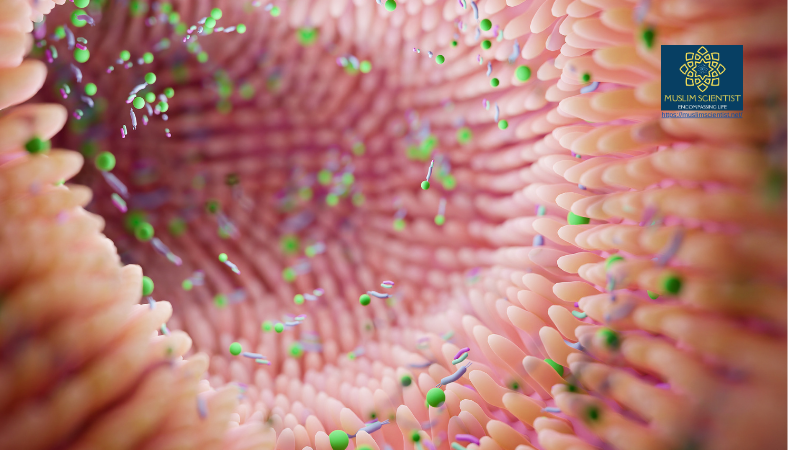
Before diving into the study, it’s essential to understand what the gut microbiota is and why scientists are so excited about it. Imagine a bustling, diverse city inside your intestines, home to trillions of microorganisms, including bacteria, viruses, and fungi. This complex community is your gut microbiota.
This “hidden organ,” as some researchers call it, plays a crucial role in your overall health. It helps:
- Digest food and produce essential vitamins.
- Regulate your metabolism.
- Train your immune system to fight off threats.
- Even influence your mood through the gut-brain axis.
The balance of “good” and “bad” bacteria in this community is critical. When it’s diverse and balanced, your health thrives. When it’s thrown off—by poor diet, stress, or illness—it can contribute to a range of problems, from digestive issues to inflammation.
The key takeaway? A healthy, diverse gut microbiota is a cornerstone of good health. And now, we know that a practice like Ramadan fasting can positively influence it.
How the Study Worked: A Look at Two Cultures
To get a clear picture of fasting’s impact, researchers designed a careful study with a unique twist. They wanted to see not only if fasting changed the gut bacteria, but also if those changes were the same for people from different ethnic backgrounds eating different diets.
- The Participants: 34 healthy adults were recruited, all living in the same city (Lanzhou, China) to control for environmental factors. The group was split into 16 Chinese participants and 18 Pakistani participants.
- The Fasting Period: All participants observed the Ramadan fast from May 15 to June 15, 2018, abstaining from food and drink from dawn to sunset.
- The Data Collection: Researchers collected two types of crucial data from each participant, both before and after the month of fasting:
- Fecal Samples: These were analyzed using high-throughput 16S rRNA gene sequencing to identify and compare the types and abundance of bacteria in their guts.
- Dietary Surveys: Participants completed detailed 3-day food recalls, allowing researchers to analyze their intake of different foods and macronutrients like fats, carbohydrates, and proteins.
This setup allowed the scientists to compare changes within each ethnic group and between the two groups, providing a rich, multi-layered understanding.
The Results: Encouraging Shifts in the Gut Ecosystem
The findings were clear and significant. Ramadan fasting led to measurable shifts in the gut microbiota, with some changes being specific to each ethnic group and others being universal. The most important message is that the gut microbiome is dynamic and responsive to positive behavioral changes like fasting.
Let’s break down the key findings into two easy-to-understand tables.
Table 1: Ethnicity and Diet Shape Your Unique Microbial “Fingerprint”
This table highlights that your ethnic background and typical diet create a unique baseline for your gut bacteria. The study confirmed that the Pakistani and Chinese participants started with very different gut microbial communities.
| Feature | Pakistani Participants | Chinese Participants | Key Insight |
|---|---|---|---|
| Dominant Bacteria (Pre-Fasting) | Driven by Prevotella and Faecalibacterium (linked to plant-rich, high-fiber diets). | Driven by Bacteroides (often linked to diets higher in animal fat and protein). | Your long-term diet creates a distinct microbial “fingerprint.” |
| Dietary Patterns | Diets were richer in certain fats and fibers, correlating with their unique bacterial profile. | Diets differed in composition, favoring bacteria adapted to their typical food intake. | The food you regularly eat selects which bacteria thrive in your gut. |
Table 2: The Fasting Effect – How 30 Days Reshaped the Microbiome
This table shows the actual changes triggered by the month of Ramadan fasting. Both groups experienced shifts, proving the fast’s powerful influence.
| Change Observed | Pakistani Group (After Fasting) | Chinese Group (After Fasting) | Total Group (All Participants) |
|---|---|---|---|
| Overall Community Structure (Beta Diversity) | The gut bacterial community showed a partial but clear shift compared to before fasting. | The community structure also shifted, though the pattern differed from the Pakistani group. | Ramadan fasting significantly alters the overall landscape of the gut microbiome. |
| “Good” Bacteria That Increased | Sutterella, Parabacteroides, and Alistipes became significantly more abundant. | Dorea, Klebsiella, and Faecalibacterium became significantly more abundant. | Fasting can specifically boost the populations of beneficial bacteria. |
| Bacteria That Decreased | Alongside their specific increases, they also saw a reduction in other genera. | Similarly, they saw a reduction in certain bacteria alongside their increases. | Coprococcus, Clostridium_XlV, and Lachnospiracea significantly decreased in the combined group analysis. |
| Diversity (Alpha Diversity) | No significant change in the overall richness of species. | The coverage and ACE indices were significantly altered, indicating a change in community richness. | The effect on diversity can be subtle and may depend on the individual’s starting point. |
The Fascinating Link: Diet, Fasting, and Specific Bacteria
The study didn’t just identify which bacteria changed; it also revealed why by linking the microbial shifts directly to what people ate. This connection is where the science gets really exciting.
Using the dietary surveys, the researchers found powerful correlations between specific foods and specific bacteria:
- Fat Intake and Your Bacteria: The amount of energy people got from fat in their diet was positively associated with the abundance of Oscillibacter and Prevotella. However, it was negatively associated with Bacteroides. This means that the fats you eat can directly encourage or discourage certain bacterial populations.
- Sweets and Akkermansia: In a particularly intriguing finding, the consumption of sweets was significantly positively correlated with the prevalence of Akkermansia. This is noteworthy because Akkermansia is a type of bacteria that has been linked to leanness and a healthy gut lining. This suggests that even within the context of fasting, the specific foods consumed at non-fasting times have a direct impact.
Why This Matters for Everyone
This research is a significant step forward in understanding the profound connection between our behaviors and our inner biology. Here’s why it’s important for common people:
- It Shows Our Bodies are Adaptable and Responsive: The gut microbiome is not a fixed entity. This study proves that a relatively short-term, structured change in eating behavior (30 days of intermittent fasting) can lead to measurable, positive shifts in the gut ecosystem.
- It Validates Traditional Practices with Modern Science: For centuries, Ramadan has been observed for its spiritual significance. This study adds a new layer of understanding, showing that the fast also has tangible, biological effects that align with modern concepts of health, like giving the digestive system a rest and potentially promoting a healthier microbial balance.
- It Highlights the Power of Diet: The strong correlations between specific foods (fats, sweets) and specific bacteria reinforce the central role of diet in shaping health. What you eat directly feeds your inner microbial community. This empowers individuals to make informed choices.
- It Opens the Door for Personalized Health: The fact that the Pakistani and Chinese groups had different responses suggests that a “one-size-fits-all” approach to nutrition may not be optimal. Future health advice could be tailored based on an individual’s microbiome and background.
Practical Takeaways for Your Health
What can you learn from this study, whether you observe Ramadan or not?
- Embrace Intermittent Fasting: The study provides compelling evidence that giving your digestive system a regular break can positively influence your gut bacteria. This doesn’t have to be a full month; even incorporating a 12-14 hour overnight fast regularly could be beneficial.
- Focus on Diet Quality: The foods you eat when you are eating are just as important as the fasting period itself. The study showed that fat and sugar intake directly correlate with specific bacterial populations.
- Eat for Your Microbes: A diverse diet rich in different fibers (from vegetables, fruits, legumes, and whole grains) is the best way to support a diverse and healthy gut microbiome. The Prevotella-dominated profile in the Pakistani group hints at the benefits of a plant-rich diet.
- See Your Body as a Dynamic System: This research is a powerful reminder that our bodies are constantly changing in response to our habits. Positive changes, like a structured fast or improved diet, can lead to positive internal shifts.
A New Appreciation for an Ancient Practice
This study from Frontiers in Microbiology offers a fascinating glimpse into the dynamic inner world of our guts. It reveals that the ancient practice of Ramadan fasting is not only a spiritual journey but also a biological one, capable of reshaping the trillions of microbes that call our bodies home.
The research shows that our gut microbiota is not a passive passenger but an active, responsive community that is deeply influenced by our diet and behaviors like fasting. By understanding this connection, we gain a powerful appreciation for how our daily choices shape our health from the inside out. So, the next time you think about what you eat, remember: you’re not just feeding yourself; you’re nourishing a vast, inner ecosystem that works tirelessly to keep you healthy.
Reference: here
Other Articles.