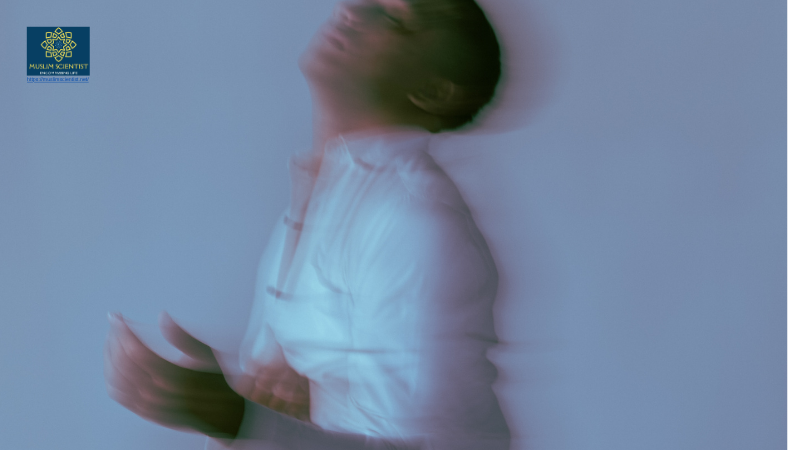
In today’s world where mental health challenges and spiritual healing often intersect, a unique healing practice known as ruqya—Islamic exorcism—is attracting increasing attention in Europe, especially among Muslim communities. A fascinating study reveals the detailed methods and experiences of a Stockholm-based raqi—a practitioner specialized in performing ruqya to heal spiritual and psychological afflictions through Quranic recitations and physical ritual techniques.
Despite its deep religious roots, the practice of ruqya remains little understood outside its communities. This in-depth ethnographic investigation sheds light on how the raqi combines spiritual texts, physical touch, and traditional medicine to help patients afflicted by various conditions attributed to metaphysical causes such as djinn possession, sorcery (sihr), and the evil eye (ayn).
What is Ruqya? The Spiritual Healing Art
Ruqya is an ancient Islamic ritual aimed at driving away harmful supernatural entities called djinns and breaking spells or curses. It shares some similarities with Christian exorcisms but is distinct in its reliance on Quranic verses and prophetic traditions. The raqi uses specific Quranic passages considered effective against different afflictions and accompanies the recitations with physical techniques like placing the palm on the patient’s head to detect areas affected by metaphysical influences.
The Stockholm raqi, studied in this research, also employs “satanic meridians”—special pressure points on the body—to exert influence on stubborn djinns, encouraging them to leave without harming the patient. Blessed water, prophetic medicines (like mixtures of honey, olive oil, and vinegar), and ritual paraphernalia support the healing process.
Healing Beyond Belief: Patients’ Experiences
The study follows five patients, each with unique afflictions and narratives that illustrate the complex relationship between faith, healing, and wellbeing.
- Long-term patient (P1): This patient suffered for decades from visual disturbances he attributed to djinns, alongside behavioral symptoms. After lifestyle changes and numerous ruqya sessions, P1 reported significant relief, including the disappearance of some physical symptoms.
- Patient with work impact (P2): A woman diagnosed with rheumatism felt no benefit from Western medicine but experienced improvement through ruqya and prophetic medicine. Intriguingly, she does not believe in sorcery herself but values the ritual for its wellbeing effects.
- Dramatic patient (P3): A young athlete tormented by curses and nightmares responded visibly to ruqya. The ritual incorporated recitations, physical gestures to draw out djinns, and protective measures like tea rituals advised by the raqi.
- Preschool patient (P4): The practice adapts gently for children. The raqi modifies physical contact and ritual gestures to suit the young patient while maintaining the core spiritual focus.
- Apprentice trainee (P5): Young female apprentice training under the raqi represents the next generation of healers, highlighting the potential growth of ruqya practitioners in Europe.
How the Raqi Diagnoses and Treats
The study reveals that the raqi’s right palm acts as a diagnostic tool by sensing temperature changes on the patient’s head during recitations. Hot spots indicate afflictions such as sorcery or envy-induced harm, with the raqi assessing intensity and duration.
The raqi applies pressure on “satanic meridians” to compel djinns to leave. Unlike some practices outside Europe, violent striking with sticks is avoided, complying with local laws and norms.
The ritual process includes prolonged Quranic recitations, blowing over and sprinkling blessed water, and guiding patients to recite specific prayers regularly. Patients often combine this with consuming prophetic medicinal mixtures.
Table 1: Overview of Ruqya Tools and Techniques
| Technique | Description | Purpose | Adaptation for Groups |
|---|---|---|---|
| Quranic Recitations | Specific surahs and verses recited repeatedly | Spiritual healing, drive away djinns and curses | Repetitive, monotone chanting |
| Palm Diagnosis | Right palm placed on head, sensing heat/cool areas | Detect metaphysical afflictions | Gentler touch for children |
| Pressure Points (“Satanic Meridians”) | Fingertip pressure applied on specific body points | Evict stubborn djinns | Avoids hitting or harsh methods in Europe |
| Blessed Water | Water recited over, sprinkled and consumed | Purification and spiritual cleansing | Adjusted intensity for children |
| Prophetic Medicine | Mixtures of honey, olive oil, vinegar | Assist physical and spiritual recovery | Prescribed doses and follow-ups |
| Reading & Prayer | Guided Quran recitations and prayers post-session | Maintain spiritual protection | Includes daily and nightly routines |
Table 2: Key Patient Outcomes and Practices
| Patient | Belief in Sorcery | Primary Affliction | Response to Ruqya | Additional Treatments |
|---|---|---|---|---|
| P1 | Yes | Visual hallucinations, mental | Reduced symptoms, improved mental state | Lifestyle change, Quran recitations |
| P2 | No | Rheumatism, mental blocks | Significant relief, improved wellbeing | Prophetic medicine, prayers |
| P3 | Yes | Physical curses, nightmares | Visible physical reactions, symptom relief | Tea ritual, protective prayers |
| P4 | N/A (Child) | Unknown | Gentle approach, positive engagement | Blessings, blessed water |
| P5 | Yes | Evil eye, weak curse | Ongoing training, partial relief | Regular prayer, apprenticeship |
Psychological and Social Dimensions
The raqi acknowledges the complex blend of faith and mental health in his patient base. He notes some sufferers of intense psychological distress, sometimes bordering on psychosis, may use ruqya rituals as coping mechanisms. While affirming belief in djinns and metaphysical illnesses, the raqi believes in integrating spiritual healing with psychological care, cautioning against obsessive behaviors.
Notably, many patients navigate between different healing traditions—Western medicine, shamanic practices, and ruqya—sometimes suppressing doubts and contradictions through a temporary suspension of disbelief, fostering hope and wellbeing.
The Growing Need and Future of Ruqya
This study highlights the need for more trained practitioners, especially female raqi, in Europe. The training of young apprentices within families suggests a sustainable model for cultural and spiritual healing preservation among diaspora communities.
Reference: here
Other Articles: