In an era of constant digital distraction, declining attention spans, and a search for meaning, a study reveals that an religious practice holds powerful keys to self-discipline, moral character, and personal identity.
The research, published in the academic journal Religions, explores the role of ritual prayer (Ṣalāh) in Islam—not merely as a religious obligation, but as a profound educational tool that shapes the human soul and builds moral character.
Titled “The Role of Ritual Prayer (Ṣalāh) in Self-Purification and Identity Formation: An Islamic Educational Perspective,” offers fresh insights into how the five daily prayers practiced by over a billion Muslims worldwide function as a “ritual technology” for personal development.
More Than a Ritual: Prayer as Character-Building
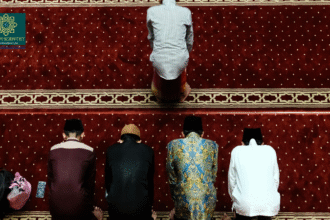
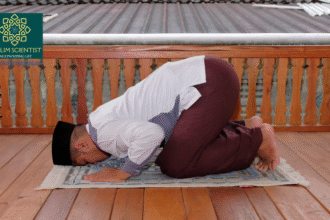
For many non-Muslims, Islamic prayer might appear as a series of physical movements—bowing, prostrating, and reciting. But the study reveals that Ṣalāh is a holistic discipline that integrates body, mind, and soul.
“Ṣalāh functions as a transformative pedagogical act—one that shapes ethical dispositions, nurtures inner purification, and fosters a stable, God-oriented moral identity,” the research explains.
Performed five times daily at prescribed times, Ṣalāh combines:
- Physical movements: Standing, bowing, prostration, and sitting
- Verbal recitations: Qur’anic verses, praises of God, and supplications
- Inner dispositions: Mindful humility (khushūʿ), presence of heart, and attentiveness to God
This integration transforms prayer from a simple ritual into what researchers call “a comprehensive discipline of self-regulation, ethical awareness, and spiritual orientation.”
What Classical Scholars Knew
The study draws on classical Islamic scholars who understood prayer’s transformative power centuries ago.
Imam al-Ghazālī (d. 1111 CE), one of Islam’s most influential thinkers, emphasized that outward conformity to prayer’s physical movements alone is insufficient. He insisted on the necessity of “presence of heart” (ḥuḍūr al-qalb) and mindful humility. For al-Ghazālī, prayer without inner attentiveness is “like a body without a soul—formally correct yet spiritually barren.”
Ibn Qayyim al-Jawziyyah (d. 1350 CE) conceptualized prayer as a mechanism for “purification of the soul” (tazkiyat al-nafs). He explained that regular prayer refines moral faculties, combats internal vices like arrogance and impatience, and fosters “moral happiness”—a state of harmony between one’s will and divine command.
These classical insights align remarkably with modern understandings of habit formation and character development.
The Three Pillars of Islamic Education
The study situates prayer within a broader educational framework comprising three interconnected elements:
Table 1: The Three Dimensions of Islamic Education
| Concept | Meaning | How Prayer Fulfills It |
|---|---|---|
| Taʿlīm | Instruction and knowledge | Reciting Qur’an and learning its meanings |
| Tarbiyah | Moral nurturing and growth | Developing character through repeated practice |
| Tazkiyah | Spiritual purification | Cleansing the soul from negative traits |
“Ṣalāh emerges as a pedagogical practice that actualizes the goals of tarbiyah by simultaneously instructing the intellect, disciplining the body, and purifying the soul,” the study states.
This holistic approach means that every prayer becomes a learning experience—a recurring lesson in humility, discipline, and moral consciousness.
Virtues Cultivated Through Prayer
The research identifies several key virtues that prayer develops over time:
Table 2: Virtues Developed Through Regular Prayer
| Virtue | Meaning | How Prayer Cultivates It |
|---|---|---|
| Humility (khushūʿ) | Being mindful and submissive before God | Physical prostration teaches humility |
| Patience (ṣabr) | Endurance and self-control | Praying at fixed times builds discipline |
| Sincerity (ikhlāṣ) | Purity of intention | Repeated focus on God alone |
| Mindfulness (taqwā) | God-consciousness | Five daily reminders of divine presence |
| Gratitude (shukr) | Thankfulness | Praising God in every prayer |
| Self-discipline | Controlling desires | Stopping activities to pray on time |
The study emphasizes that these virtues are not merely theoretical—they are “rehearsed, internalized, and actualized through intentional and mindful performance” of prayer.
Modern Challenges: Digital Distraction and Moral Fragmentation
The research arrives at a critical moment. Contemporary philosopher Byung-Chul Han, whose work the study engages, describes modern society as suffering from “hyper-individualism and digital distraction.” Attention spans are shrinking, and many people report feeling disconnected, anxious, and lacking purpose.
The study argues that in this “morally fragmented landscape,” Islamic ritual practices offer resources for “cultivating moral resilience and spiritual attentiveness.”
Prayer functions as what the researchers call a “contemplative resistance”—a deliberate pause in the day’s chaos to reconnect with what matters most. Five times daily, the believer disconnects from worldly concerns to stand in mindful awareness before the divine.
This regular interruption of daily routine creates what the study terms “a stabilizing axis of identity”—particularly valuable for Muslims living in pluralistic or secular environments.
Prayer and Identity Formation
One of the study’s most significant contributions is its exploration of how prayer shapes identity.
“Ṣalāh functions as a stabilizing axis of identity for Muslims living in pluralistic or secular environments, enabling them to reaffirm religious belonging, cultivate resilience, and enact moral agency through embodied ritual,” the research explains.
This happens through:
- Repetition: Daily performance reinforces core beliefs
- Embodiment: Physical postures encode spiritual meanings
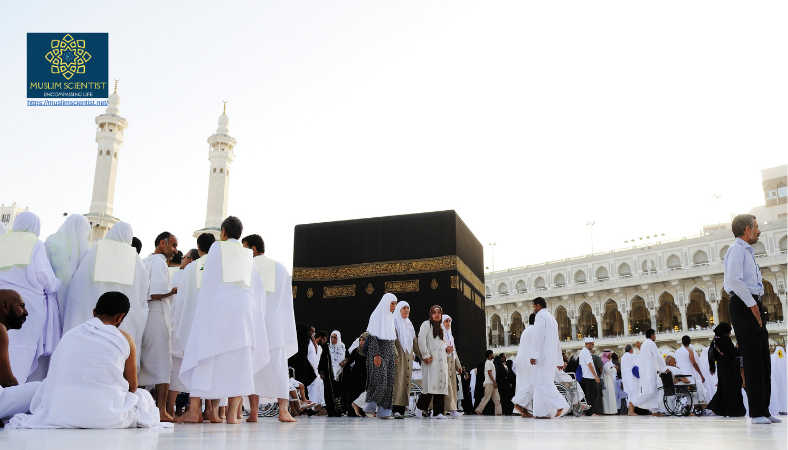
- Community: Congregational prayer strengthens belonging
- Rhythm: Prayer times structure the day around divine remembrance
The study draws on Elizabeth Bucar’s work on “lived religion” and ritual ethics, which conceptualizes ritual as “a dynamic site of ethical subject-formation.”
What This Means for Educators
The research has significant implications for Islamic education. Rather than teaching prayer merely as a legal obligation to be mechanically performed, educators can present it as a transformative practice for character development.
The study proposes integrating “ṣalāh-based character education into Islamic curricula”—helping students understand not just how to pray, but how prayer shapes who they become.
This approach aligns with broader goals of Islamic Practical Theology, which regards religion as “an embodied field of ethical formation, spiritual action, and lived meaning” rather than merely a set of doctrines.
For parents and teachers, this means:
- Emphasizing the inner dimensions of prayer, not just outward correctness
- Helping children connect prayer to daily moral choices
- Discussing how virtues developed in prayer apply to real-life situations
- Creating environments that support mindful, attentive prayer
The Challenge of Mindful Prayer
Both classical and contemporary scholars acknowledge a challenge: many worshippers perform prayer mechanically, without presence of heart.
The study notes that Islamic jurists generally agree that prayer remains legally valid even without inner humility—since khushūʿ is a condition for perfection, not validity. However, scholars like al-Ghazālī warned that prayer without attentiveness fails to achieve its spiritual purposes.
Ibn Qayyim outlined “varying ranks of worshippers in prayer,” noting that many fulfill external requirements but miss deeper spiritual fruits.
This raises important questions for educators and spiritual seekers: How can we move from mechanical performance to mindful presence?
The study suggests that understanding prayer’s pedagogical purpose—its role in shaping character—can itself increase attentiveness. When we know that prayer is training us in virtues, we approach it with greater intention.
Implications for Daily Life
For ordinary Muslims, this research offers an empowering perspective: your five daily prayers are not just rituals to complete—they are opportunities for personal transformation.
Each prayer becomes a workshop for character development:
- Standing before God cultivates humility
- Bowing teaches submission to higher purpose
- Prostrating grounds us in gratitude
- Reciting Qur’an fills the mind with divine guidance
- Praying on time builds self-discipline
- Repeating prayers ingrains virtues through habit
The study emphasizes that this transformation happens gradually through “structured repetition, focused attentiveness, and reflective engagement.” Character is built one prayer at a time.
Broader Significance: Beyond Muslim Communities
While focused on Islamic practice, the study’s insights resonate beyond Muslim communities. In an age searching for meaning and moral grounding, understanding how ritual practices shape character offers valuable lessons.
The research demonstrates that:
- Repeated, mindful practices can transform character
- Embodied rituals encode ethical values
- Regular spiritual disciplines build resilience
- Community practices strengthen identity and belonging
These insights are relevant to educators, psychologists, and anyone interested in how human beings develop moral character and meaningful identity.
Future Research Directions
The study opens several avenues for future investigation:
- How prayer interacts with modern lifestyles: Can digital natives maintain mindful prayer amid constant distraction?
- Digital spiritual practices: How do apps and online communities affect prayer experience?
- Intergenerational transmission: How do parents pass meaningful prayer practices to children?
- Comparative studies: How do ritual practices in different traditions shape character?
- Psychological impacts: What measurable effects does regular prayer have on mental health and well-being?
The researchers suggest that exploring these questions could deepen understanding of how spiritual practices contribute to human flourishing.
Conclusion: Ancient Wisdom for Modern Challenges
The study by Dr. Aldawsari offers a compelling vision: the five daily prayers at the heart of Islamic practice are not merely obligations to fulfill but opportunities to become better human beings.
By integrating body, mind, and soul through structured repetition, Ṣalāh cultivates humility, patience, sincerity, and mindfulness. It provides what contemporary society desperately needs: a regular pause for contemplative reflection, a framework for moral development, and a stable anchor for identity.
In a world of constant distraction and moral fragmentation, this ancient practice offers a path to integration and wholeness. As the study concludes, prayer functions as “a ritual technology of moral formation and identity grounding”—a performative grammar of faith through which believers train the self, discipline desire, and enact theological knowledge through intentional repetition and spiritual presence.
For the billion-plus Muslims who pray daily, this research affirms what their hearts already know: that in standing, bowing, and prostrating before God, they are not just performing ritual—they are becoming who they are meant to be.
Reference: here
Other Articles: