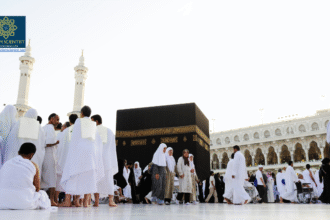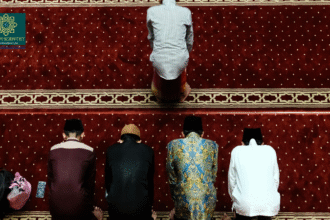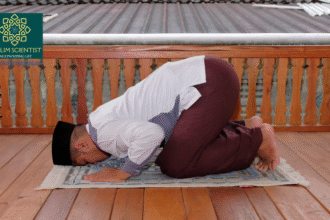
In the search for natural solutions to the modern pandemic of stress and metabolic diseases, a scientific study has yielded surprising and hopeful findings. This recently published randomized controlled trial empirically proves that regularly performing the Tahajjud prayer can significantly lower levels of the stress hormone cortisol and fasting blood sugar in healthy young men. These findings not only reinforce the Muslim belief in the wisdom behind every act of worship but also open doors to an accessible, low-cost, and meaningful complementary therapy approach.
Chronic Stress: The Root of Modern Health Problems
Stress has long been recognized as the culprit behind many chronic diseases. From hypertension and heart disease to type-2 diabetes, all can be triggered or worsened by prolonged stress. When stressed, the body activates the sympathetic nervous system and the hypothalamic-pituitary-adrenal (HPA) axis, triggering the release of cortisol. In the short term, this is beneficial. However, chronic exposure to high cortisol disrupts metabolism, weakens the immune system, and causes insulin resistance—the precursor to diabetes.
“This condition is like the body’s alarm constantly ringing, draining energy and damaging the system from within,” explained Prof. Dr. Yusni, the lead researcher of the study. “What we need is a ‘switch’ to turn off that alarm. And our research shows that Tahajjud can be that natural switch.”
Scientific Method: Measuring the Spiritual
This study was designed rigorously following phase 1 clinical trial standards. Twenty healthy Muslim men aged 19-25 were recruited and randomly divided into two groups: the Tahajjud group and the control group. Strict inclusion criteria ensured all participants were healthy, had no prior routine Tahajjud habit, and were not undergoing blood sugar control therapy.
For six weeks, the intervention group performed 8 rak’ahs of Tahajjud and 3 rak’ahs of Witr (total 11 rak’ahs), 3-7 times per week, between 3:30-4:30 AM. Quranic recitations were standardized to equalize duration. The control group received no specific intervention. Serum cortisol and fasting blood glucose levels were measured before and after the intervention period.
Encouraging Results: Numbers That Speak
The resulting data was unambiguous and showed consistent, statistically significant effects.
- Cortisol Reduction: The average decrease in cortisol levels in the Tahajjud group reached 19.71%. 80% of subjects (8 out of 10 people) experienced this decrease.
- Blood Sugar Reduction: Even more impressive, 100% of subjects (10 out of 10 people) in the Tahajjud group showed a decrease in fasting blood glucose levels, with an average reduction of 8.91%.
Table 1: Comparison of Results Between Control and Tahajjud Groups
| Parameter | Group | Before Intervention (Mean) | After Intervention (Mean) | Change | Significance (p-value) |
|---|---|---|---|---|---|
| Cortisol (μg/dL) | Control | 12.47 | 13.46 | +0.99 (Increase) | 0.305 (Not Significant) |
| Tahajjud | 13.60 | 10.92 | -2.68 (Decrease 19.71%) | 0.005 (Highly Significant) | |
| Glucose (mg/dL) | Control | 87.70 | 91.70 | +4.00 (Increase) | 0.279 (Not Significant) |
| Tahajjud | 88.70 | 80.80 | -7.90 (Decrease 8.91%) | 0.014 (Significant) |
*Note: p-value < 0.05 is considered statistically significant.*
While the Tahajjud group showed improvement, the control group actually experienced an increase in cortisol and blood sugar, albeit not significant. This indicates that without intervention, stress levels and metabolic parameters tend to worsen over time in daily life.
Table 2: Clinical Impact of the Achieved Reduction
| Parameter | Average Reduction | Potential Health Implications |
|---|---|---|
| Cortisol Levels | 19.71% | Reduces risk of depression, anxiety, hypertension, immune dysfunction, and sleep disorders. |
| Fasting Blood Sugar Levels | 8.91% | Improves insulin sensitivity, lowers risk of progressing to prediabetes or type 2 diabetes. |
The Miraculous Mechanism Behind Tahajjud: Workout for Soul and Body
So, how does waking up in the last third of the night to pray produce such powerful biological effects? The researchers explain that Tahajjud works through multimodal mechanisms:
- Meditation in Motion: The measured, serene movements of prayer, accompanied by dhikr, create a state of “focused relaxation”, similar to yoga or mindfulness meditation. Such practices are long known to stabilize the HPA axis and lower cortisol.
- Ideal Light Exercise: The sequence of standing, bowing, prostrating, and sitting in prayer constitutes light-to-moderate physical activity. Exercise of this intensity is a primary recommendation for stress management and blood sugar regulation.
- Spiritual Peace (Spiritual Peace): Drawing closer to the Creator in the quiet of the night induces feelings of calm, surrender (tawakkul), and optimism. This inner peace is the direct antithesis of psychological stress, breaking the negative thought cycles that trigger cortisol response.
- Discipline and Circadian Rhythm Regulation: Waking up at the same time every night for Tahajjud helps reset the body’s biological clock (circadian rhythm), which also regulates cortisol secretion. This may explain why Allah commanded this worship in the last third of the night—when the body’s natural cortisol begins to rise towards morning.
Broad Implications: From Mosque to Clinic
The findings of Prof. Yusni and his team have far-reaching implications, especially for Indonesian society and the Muslim world grappling with the burden of non-communicable diseases (NCDs) and mental health issues.
“Tahajjud is not a replacement for medical treatment, especially for those who are already ill,” emphasized Prof. Yusni. “However, it can be a powerful complementary and preventive therapy. It is free, has no side effects, and even provides immeasurable spiritual benefits.”
This study paves the way for a more holistic integration of religious practice and health science. Clinics could consider incorporating spiritual counseling or programs introducing worship practices like Tahajjud as part of stress and diabetes management. For the general public, this is good news and a strong motivation to revive this often-neglected Sunnah of the Prophet.
The Way Forward
Further research is highly anticipated. The team plans to explore the effects of Tahajjud on more diverse populations, such as women, the elderly, and most importantly: patients already diagnosed with type 2 diabetes or depressive and anxiety disorders. If similar effects are confirmed, Tahajjud has the potential to become a revolutionary adjuvant protocol in the management of these diseases.
In an increasingly noisy and stressful world, this research reminds us that sometimes, the best solutions to modern problems are contained in the wisdom of timeless traditions. Wake up, perform ablution, and establish prayer in the silent darkness. Not only will reward await, but also a healthier body and a more peaceful soul.
Reference: here
Other Articles: