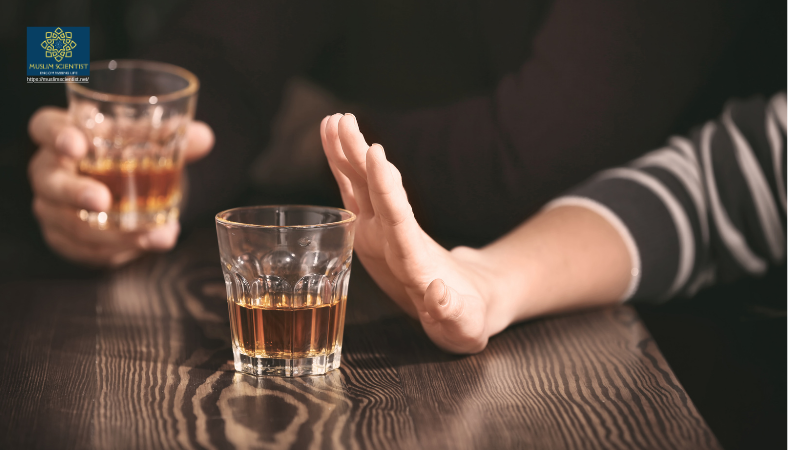
The World Health Organization (WHO) has issued a definitive statement: no amount of alcohol consumption is safe for human health. This conclusion, published in The Lancet Public Health, ends decades of debate about potential benefits of light or moderate drinking. Alcohol, classified as a Group 1 carcinogen alongside asbestos and tobacco, causes at least seven types of cancer, including breast and bowel cancer. Alarmingly, half of all alcohol-attributable cancers in the European Region result from “light” or “moderate” consumption – as little as one small glass of wine per day.
The risks begin literally from the first drop. There is no threshold where cancer effects “switch on.” Moreover, any potential heart benefits from light drinking do not outweigh the cancer risk. The WHO European Region faces the highest consumption levels globally, with over 200 million people at risk.
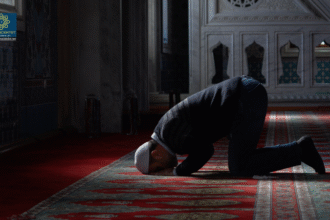
Interestingly, Islamic teachings have prohibited alcohol for over 1,400 years, not merely as a spiritual rule but as a holistic health directive. The Qur’an calls alcohol “rijis” (impure or abhorrent) and associates it with Satan’s handiwork. The Prophet Muhammad (peace be upon him) taught that “whatever intoxicates in large quantities, a small amount of it is forbidden.” This aligns perfectly with the WHO’s finding that no level is safe.
Furthermore, Islamic principles of avoiding self-harm (la darar), preserving the body as a trust (amanah), and preventing waste (israf) directly support abstinence. While modern science took until 2023 to declare zero safety, revelation provided this guidance centuries ago. For Muslims, this is not a restriction but a protection. For non-Muslims, the WHO statement serves as a powerful public health warning.
This article presents seven key evidence-based reasons to avoid alcohol entirely, compares Islamic and scientific perspectives, and offers practical steps for healthier living. Two tables summarize cancer risks and global consumption data. Ultimately, the message is clear: whether guided by faith or science, the safest choice is zero alcohol.
1. The WHO’s Landmark Statement: No Safe Level Exists
The World Health Organization recently published a game-changing statement. For years, many believed that one glass of red wine per day might protect the heart. That idea has now collapsed. According to the WHO, valid scientific evidence cannot identify any threshold where alcohol stops causing harm.
Alcohol is a toxic, psychoactive, and dependence-producing substance. The International Agency for Research on Cancer classified it as a Group 1 carcinogen decades ago. This places alcohol in the highest risk category, alongside radiation, asbestos, and tobacco.
Dr Carina Ferreira-Borges, WHO Regional Advisor for Alcohol, explains: “The risk to the drinker’s health starts from the first drop of any alcoholic beverage.” Therefore, the only safe choice is no consumption at all.
Alcohol-Attributable Cancers and Consumption Levels
| Cancer Type | Risk Increase | Level of Alcohol Linked |
|---|---|---|
| Female breast cancer | 7–10% per 10g alcohol/day | Light to moderate drinking |
| Colorectal (bowel) cancer | 8% per 10g alcohol/day | Any regular consumption |
| Liver cancer | Significant dose-response | Moderate to heavy |
| Mouth and throat cancer | 2–3x higher risk | Light drinking included |
| Esophageal cancer | 5x higher risk | Any amount |
| Laryngeal cancer | Moderate increase | Any regular use |
| Stomach cancer | Emerging evidence | Chronic use |
*Source: WHO/International Agency for Research on Cancer, 2023*
2. Light Drinking Is Not Safe – Half of Cancers Come from Low Doses
Many people assume only heavy drinking causes cancer. This assumption is dangerously wrong. In the WHO European Region, half of all alcohol-attributable cancers occur in people who drink lightly or moderately.
What does “light” mean? It equals less than 1.5 liters of wine, 3.5 liters of beer, or 450 milliliters of spirits per week. That translates to roughly one small glass of wine daily.
Breast cancer shows the clearest link. Most alcohol-attributable breast cancers in European Union countries come from these low levels. No protective effect on heart disease or diabetes outweighs this cancer risk.
3. Islamic Prohibition: A 1,400-Year-Old Public Health Measure
Long before the WHO’s statement, Islamic teachings forbade alcohol completely. The Qur’an states: “O you who have believed, indeed, intoxicants, gambling, idols, and divining arrows are but abomination (rijis) from the work of Satan, so avoid it that you may be successful” (Qur’an 5:90).
The term rijis implies impurity, filth, and harm. This is not a mere cultural taboo. Instead, it is a divine prohibition based on protecting the individual and society.
The Prophet Muhammad (peace be upon him) further clarified: “Whatever intoxicates in large quantities, a small amount of it is forbidden” (Abu Dawud, Tirmidhi). This directly matches the WHO’s conclusion that even the first drop causes harm. There is no “safe” small quantity.
4. The Body as a Trust (Amanah) and the Prohibition of Harm
In Islam, the human body is not personal property. Rather, it is a sacred trust (amanah) from Allah. Muslims will be questioned about how they used and protected their bodies.
The Prophet (peace be upon him) said: “There should be neither harming nor reciprocating harm” (la darar wa la dirar – Ibn Majah). Consuming alcohol deliberately introduces a known carcinogen into the body. This constitutes self-harm.
Thus, drinking violates the trust of the body. It also ignores the clear prophetic command against harm. From an Islamic perspective, even occasional “light” drinking is a betrayal of this trust.
5. Waste (Israf) and Mindlessness Contradict Islamic Values
Alcohol consumption often leads to waste of money, health, and time. The Qur’an explicitly forbids waste: “Indeed, the wasteful are brothers of the devils” (Qur’an 17:27). Similarly, “Eat and drink, but be not excessive” (Qur’an 7:31).
Alcohol provides “empty calories” – energy without nutrition. It also impairs judgment, leading to further excess and harmful behaviors. This directly contradicts the Islamic principle of moderation (wasatiyyah) and mindfulness (taqwa).
The Prophet taught that no vessel is worse than a stomach filled with excess. Alcohol consumption almost always accompanies meals or social settings where excess occurs. Therefore, avoiding alcohol supports the broader Islamic goal of balanced living.
Global Alcohol Consumption & Harm – Key Data
| Region/Indicator | Statistic | Source |
|---|---|---|
| WHO European Region – adults who drink | Highest globally (~80%) | WHO, 2023 |
| At-risk population in Europe | Over 200 million people | WHO, 2023 |
| Alcohol-attributable cancers from light/moderate drinking (Europe) | 50% of total cases | WHO Lancet Public Health, 2023 |
| Alcohol-caused cancer types | At least 7 confirmed | IARC, 2023 |
| Global deaths from alcohol annually (all causes) | ~3 million | WHO Global Status Report |
| Reduction in breast cancer risk after stopping alcohol | 10-20% within 5-10 years | Cancer Research UK |
6. The Prophetic Example: Complete Abstinence and Health
The Prophet Muhammad (peace be upon him) never consumed alcohol. His dietary practices emphasized whole, pure (tayyib) foods: barley, dates, honey, milk, and occasional meat. He taught intermittent fasting (Mondays and Thursdays) and moderation in all things.
Modern research confirms that alcohol disrupts gut bacteria, increases inflammation, damages the blood-brain barrier, and triggers insulin resistance. The Prophet’s way – complete abstinence – avoids these harms entirely.
Moreover, Islamic tradition encourages seeking medical treatment and preserving health. The Prophet said: “There is no disease that Allah has created, except that He also has created its treatment” (Bukhari). Alcohol is never that treatment.
7. Social and Family Harms: Beyond Individual Health
Alcohol does not only affect the drinker. It harms families, communities, and societies. Domestic violence, accidents, lost productivity, and broken relationships all correlate strongly with alcohol use.
Islamic teachings prioritize the preservation of lineage and intellect – two of the five essential objectives of Sharia (maqasid). Alcohol directly threatens both. It impairs the mind and leads to actions that destroy family bonds.
Disadvantaged populations suffer disproportionately. The WHO notes that poorer drinkers and their families experience more harm per amount consumed than richer drinkers. Islam’s prohibition protects the vulnerable from exploitation and harm.
8. What the Wine Industry Does Not Tell You
Marketing often portrays wine as sophisticated or heart-healthy. However, the WHO clarifies that potential cardiovascular benefits from light drinking do not outweigh cancer risks. These studies frequently suffer from flawed comparison groups and statistical methods.
Dr Jürgen Rehm, WHO scientist, explains: “Potential protective effects … may not consider other relevant factors.” In truth, non-drinkers who exercise, eat well, and avoid smoking have far better health outcomes. The alcohol industry’s funding of research also introduces bias.
Consumers deserve the truth. The WHO recommends cancer warning labels on alcoholic beverages, similar to tobacco products. This would save lives.
9. Practical Steps: How to Quit or Avoid Alcohol
Whether for faith, health, or both, stopping alcohol is possible. Here are seven evidence-based steps:
- Make a firm intention – Recognize that even one drink causes measurable harm.
- Change your environment – Remove alcohol from your home and avoid triggering places.
- Find alternatives – Replace wine with sparkling water with lemon, herbal teas, or non-alcoholic mocktails.
- Seek social support – Join a community group, mosque program, or alcohol-free network.
- Understand your triggers – Stress, social pressure, or habit loops often drive drinking.
- Use professional help if needed – Doctors, counselors, and addiction services can provide medication and therapy.
- Replace with healthier habits – Exercise, fasting (as in Sunnah), and whole-food nutrition reduce cravings and improve mood.
10. A Unified Message: Faith and Science Agree
The convergence between Islamic teachings and modern science is striking. The WHO now says: no level of alcohol is safe. Islam has said the same for fourteen centuries.
This agreement does not diminish science. Rather, it confirms divine wisdom. Muslims can share this message confidently with non-Muslims: “Your health authorities confirm what we have always believed.”
For the general public, the takeaway is simple. The safest choice is zero alcohol. The second safest is drinking as little as possible. Every drop increases cancer risk. Protecting your body – whether as a divine trust or simply as your only vessel for life – means saying no completely.
Final Reflection
Allah says in the Qur’an: “And do not kill yourselves. Indeed, Allah is to you ever Merciful” (Qur’an 4:29). Alcohol consumption constitutes a slow form of self-harm. The WHO’s statement removes any excuse for believing otherwise.
May we all honor our bodies, follow the best of guidance, and enjoy long, healthy lives free from preventable disease. The choice is clear. The evidence is final. The first drop harms.
Reference: here
Other Articles: