A paeper reveals that Nigeria’s rich biodiversity of medicinal plants and fruits, combined with Saudi Arabia’s halal market infrastructure and Islamic finance, could create a multi-billion dollar ethical trade corridor.
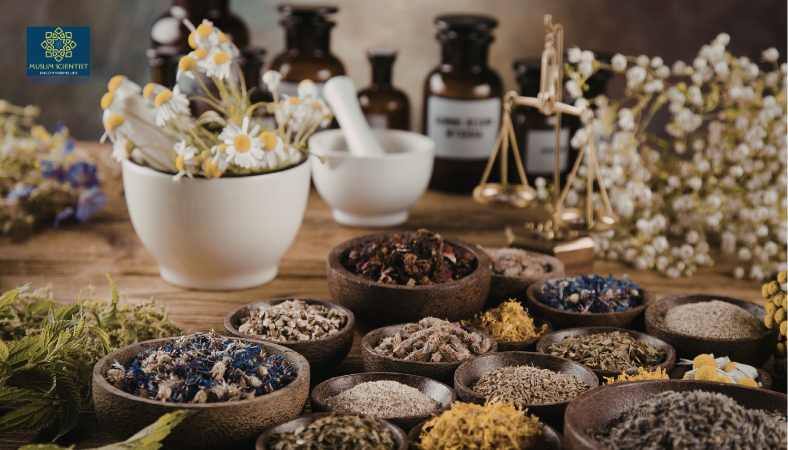
In the lush fields and forests of Nigeria grow plants that have healed generations: Neem for infections, Moringa for nutrition, Bitter Leaf for diabetes, and dozens more. For centuries, these have been the pharmacy of the people. But today, they represent something else: a multi-billion dollar opportunity waiting to be unlocked by the global halal economy.
A new study published in Frontiers in Sustainable Food Systems reveals that Nigeria’s medicinal plants and fruits hold significant potential for the Saudi Arabian halal food industry—but only if Islamic banking and finance experts step in to bridge the gap.
The study, titled “Engaging Islamic banking and finance experts in embedding medicinal plants and fruits into halal food industry between Saudi Arabia and Nigeria,” is the first of its kind to explore this tripartite relationship: biodiversity, halal compliance, and Shariah-compliant finance. Its findings are both timely and transformative.
The Halal Market: A $7.7 Trillion Opportunity
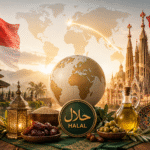
The global halal industry has exploded far beyond food. It now encompasses pharmaceuticals, cosmetics, finance, and lifestyle sectors, valued at an estimated $7.7 trillion. The halal agri-food sector alone is worth approximately $2.3 trillion and is growing rapidly, driven by rising demand from both Muslim and non-Muslim consumers seeking ethically produced, high-quality products.
Saudi Arabia, as the heart of the Islamic world and a strategic economic hub, is positioning itself as a global leader in the halal market. The country’s food market revenue is projected to reach $57.41 billion in 2025. The Saudi government’s Vision 2030 plan explicitly includes halal industry development as a key diversification strategy beyond oil.
Nigeria, Africa’s most populous nation with a significant Muslim population, is emerging as a potential powerhouse in halal production. In 2025, Saudi Arabia and Nigeria formalized a strategic cooperation agreement during the Makkah Halal Forum, focusing on halal food production, pharmaceuticals, livestock, and Islamic finance through collaboration with Saudi Arabia’s Halal Products Development Company (HPDC).
But until now, one crucial element has been missing from this partnership: the integration of Nigeria’s extraordinary medicinal plant and fruit resources into the Saudi halal market.
Common Medicinal Plants in Nigeria with Halal Industry Potential
| Plant Name | Local Name | Traditional Use | Health Benefits | Halal Compliance Considerations |
|---|---|---|---|---|
| Neem (Azadirachta indica) | Dogonyaro (Hausa), Ayan (Yoruba) | Malaria treatment, skin infections | Antibacterial, antifungal, anti-inflammatory | Alcohol-free extraction required |
| Moringa (Moringa oleifera) | Zogale (Hausa), Ewe igbale (Yoruba) | General health tonic | Rich in vitamins, antioxidants, antidiabetic | Naturally halal; processing must avoid contamination |
| Scent Leaf (Ocimum gratissimum) | Nchanwu (Igbo), Efirin (Yoruba) | Respiratory issues, digestion | Antimicrobial, antidiarrheal | Ensure no cross-contamination with non-halal substances |
| Bitter Leaf (Vernonia amygdalina) | Onugbu (Igbo), Ewuro (Yoruba) | Malaria, diabetes, digestive issues | Blood sugar regulation, detoxification | Halal certification required for export |
| Aloe Vera (Aloe barbadensis) | Ewe aloin | Skin burns, wounds, constipation | Skin healing, laxative, anti-inflammatory | Naturally halal; verify processing methods |
| African Basil (Ocimum basilicum) | Effirin/Nchanwu | Coughs, fevers | Antioxidant, immune support | Shariah-compliant farming practices needed |
Nigeria’s Biodiversity: A Treasure Trove of Healing
Nigeria is blessed with extraordinary biodiversity. The country is home to thousands of medicinal plant species, many of which have been used for generations in traditional medicine. The study documents plants such as Neem (Azadirachta indica), which possesses antimicrobial and anti-inflammatory properties; Moringa (Moringa oleifera), rich in vitamins, minerals, and antioxidants; and Bitter Leaf (Vernonia amygdalina), known for its antidiabetic and blood sugar regulation effects.
Beyond plants, Nigeria produces a wealth of medicinal fruits. Bitter Kola (Garcinia kola) is traditionally used to treat coughs, bacterial infections, and inflammation, with documented antibacterial, antiviral, and antioxidant properties. Pawpaw (papaya) aids digestion and boosts immunity. Soursop (Graviola) is believed in folk medicine to possess anticancer potential. Baobab fruit is exceptionally rich in vitamin C and supports immune function.
Medicinal Fruits of Nigeria with Export Potential to Saudi Halal Market
| Fruit | Traditional Use | Medicinal Properties | Common Preparations | Halal Export Considerations |
|---|---|---|---|---|
| Bitter Kola (Garcinia kola) | Coughs, bacterial infections, inflammation | Antibacterial, antiviral, anti-inflammatory, antioxidant | Eaten raw, ground into powder, infused in water | Must comply with Saudi halal standards; avoid alcohol in processing |
| Pawpaw (Papaya) | Digestion, skin infections, immunity | Rich in papain enzyme, vitamin C | Seeds for parasites; leaves for malaria | Naturally halal; certification required |
| Soursop (Graviola) | Immune booster, cancer prevention (folk), pain relief | Fruit, leaves, bark | Leaves boiled for fever, insomnia, hypertension | Growing interest in halal nutraceuticals |
| African Star Apple (Agbalumo/Udara) | Toothache, sore throat, constipation | Rich in vitamin C, supports weight loss | Chewing skin for toothache | Traditional remedy with halal market potential |
| Baobab Fruit | Diarrhea, energy boost, fever | Exceptionally rich in vitamin C and calcium | Pulp and seeds as tonic | High demand for natural halal health products |
The study notes that existing research on Nigerian medicinal plants has largely focused on anti-infective and cardiovascular applications, reflecting prevalent health needs. However, there has been limited exploration into antiviral and neurological applications—an area ripe for future research.
The Missing Link: Halal Certification and Islamic Finance
Despite Nigeria’s abundance of medicinal plants and fruits, several barriers prevent their entry into the Saudi halal market:
1. Halal Certification Gaps: Nigeria lacks a unified halal certification system. Multiple certifying bodies operate without coordination, undermining consumer trust and complicating market regulation. The study advocates for a single, standardized halal certification system to ensure product integrity.
2. Compliance with Saudi Standards: Nigerian farmers and processors must align their farming, processing, and handling practices with halal and tayyib principles—emphasizing purity, traceability, and Shariah compliance. This includes avoiding alcohol in extraction processes and preventing contamination with non-halal substances.
3. Limited Awareness and Capacity: Many Nigerian SMEs overlook halal certification, resulting in poor product quality and limited market patronage. There is a pressing need for training, extension services, and certification awareness programs.
4. Financing Gaps: Perhaps the most significant barrier is the lack of Shariah-compliant financing to support the cultivation, processing, and certification of medicinal plants. This is where Islamic banking and finance experts become essential.
The Role of Islamic Banking and Finance
The study makes a powerful case for engaging Islamic banking and finance professionals in the medicinal plant value chain. Their roles include:
1. Providing Shariah-Compliant Financing Instruments: Islamic financial tools such as Mudarabah (profit-sharing), Musharakah (joint venture), Murabaha (cost-plus financing), and Ijarah (leasing) can fund agricultural activities without interest. These instruments can support equipment acquisition, farm inputs, processing technologies, and value-added production.
2. Funding Halal Certification Costs: Islamic banks can finance the costs of halal certification and quality assurance processes, ensuring that medicinal plant products meet Shariah requirements.
3. Supporting Impact Investing and Venture Capital: Islamic venture capital can support startups focused on medicinal plants like Moringa, Hibiscus, Neem, Date fruit, and Sidr. Green sukuk (Islamic bonds) can enable sustainable financing for eco-friendly farming and halal biopharmaceutical research.
4. Leveraging Islamic Social Finance: Zakat, waqf, and sadaqah funds can support poor farmers, youth entrepreneurs, and community health initiatives reliant on herbal medicines. Waqf-based farms could be established specifically for cultivating medicinal plants.
5. Facilitating Cross-Border Trade: Structured trade finance using Shariah-compliant instruments can facilitate cross-border exchange between Nigerian producers and Saudi buyers. Islamic microfinance can empower rural herbal farmers and strengthen cooperatives.
6. Supporting Research and Development: Islamic financial institutions can fund research centers focusing on medicinal botany and herbal pharmacology. Joint Saudi-Nigerian research collaborations can foster innovation in functional foods, herbal medicines, and halal nutraceuticals.
The Saudi-Nigerian Partnership: A Win-Win
The study emphasizes that this collaboration benefits both countries:
For Saudi Arabia: Access to Nigeria’s rich biodiversity diversifies halal product offerings, reduces dependence on imported raw materials, and supports Vision 2030 goals for health and economic diversification. Saudi Arabia can also leverage its advanced halal infrastructure to process and re-export Nigerian botanical products to other OIC markets.
For Nigeria: Entry into the Saudi halal market provides access to a $57 billion food market, creates jobs in farming, processing, logistics, and certification services, and positions Nigeria as a strategic supplier of medicinal raw materials to the Gulf region. Islamic social finance tools can support poverty alleviation and rural employment.
For Both: Harmonized halal guidelines between Saudi Arabia’s SFDA and Nigeria’s NAFDAC can strengthen certification infrastructure, improve compliance, and facilitate trade. Knowledge exchange between Nigerian and Saudi experts enhances efficiency, productivity, and quality control.
Challenges to Overcome
The study does not shy away from the challenges:
- Regulatory Inconsistencies: Saudi Arabia’s Islamic banking regulations remain insufficiently flexible to address the specific financing needs of halal food enterprises. Nigerian halal certification is fragmented, with multiple bodies operating without coordination.
- Low Awareness: Adoption of Islamic financing among halal food entrepreneurs remains low in both countries, partly due to the availability of easier non-Shariah financing alternatives and limited understanding of Islamic finance benefits.
- Supply Chain Integrity: Ensuring that plant-based products avoid alcohol in extraction and prevent contamination with non-halal substances requires rigorous quality control and traceability systems.
- Scale Diseconomies: Islamic banks struggle to offer competitive financing solutions for smaller enterprises due to scale diseconomies and contractual frictions.
Recommendations for Action
The study offers concrete suggestions:
For Governments:
- Establish a unified halal certification system in Nigeria
- Harmonize halal guidelines between Saudi Arabia’s SFDA and Nigeria’s NAFDAC
- Create regulatory frameworks that support Islamic banking for agriculture
For Islamic Financial Institutions:
- Develop tailored Shariah-compliant financing products for the medicinal plant sector
- Establish waqf-based farms for cultivating medicinal plants
- Create Islamic microfinance schemes for rural farmers
- Issue green sukuk for sustainable agriculture
For Halal Industry Experts:
- Provide training on halal compliance for Nigerian farmers and processors
- Support research and innovation centers in both countries
- Develop Good Agricultural Practices (GAP) and Good Manufacturing Practices (GMP) guidelines
For Researchers:
- Conduct further studies on extraction methods and applications of medicinal plants
- Examine the complexity and risks in Islamic financing for agriculture
- Explore the role of Shariah supervisory boards and regulatory frameworks
A Final Word of Hope
The study’s author, Y. Alhassan, concludes: “Islamic banking and finance experts play a pivotal role in aligning the medicinal plant and fruit sectors with ethical, sustainable, and Shariah-compliant financial models. By doing so, they contribute to economic empowerment, public health improvement, and environmental sustainability in both countries.”
This is not just about trade. It is about harnessing nature’s pharmacy—the healing plants that Allah has placed in the earth—and distributing them ethically and lawfully across borders. It is about using Islamic finance as a tool for sustainable development. It is about two Muslim-majority nations cooperating for mutual benefit.
The seeds of this partnership have been planted. With the right financial, regulatory, and ethical framework, they can grow into a global halal herbal revolution.
Reference: here
Other Articles: