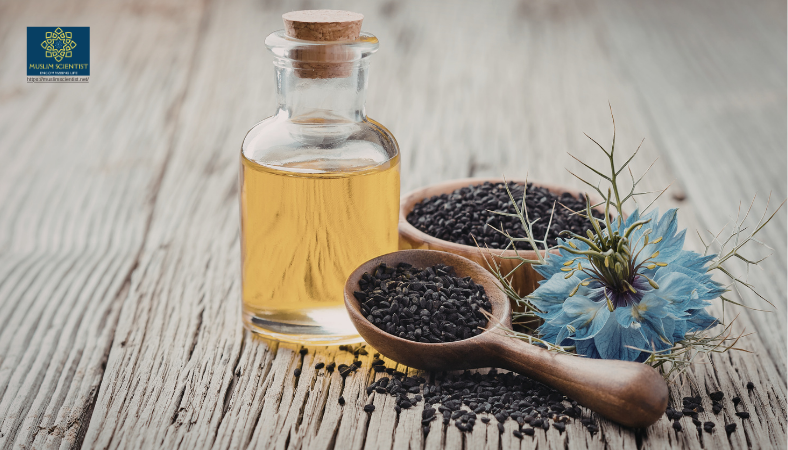
For thousands of years, Nigella sativa—commonly known as black seed or black cumin—has been called “the remedy for everything but death” in traditional medicine. The largest and most rigorous scientific analysis to date confirms that this ancient seed is not just folklore. It is a potent, evidence‑based weapon against the world’s biggest killer: cardiovascular disease.
A meta‑analysis combined 82 randomized controlled trials involving 5,026 participants from 11 countries. The results are stunning. Black seed supplementation significantly improves 25 different cardiovascular risk factors—from blood pressure and cholesterol to inflammation and oxidative stress.
And the best part? The optimal dose is safe, affordable, and available right now on your supplement shelf.
The Largest Study of Its Kind
Researchers from Iran’s leading medical universities conducted a GRADE‑assessed systematic review and dose‑response meta‑analysis—the gold standard of evidence synthesis. They searched five major databases (PubMed, Scopus, Web of Science, EMBASE, Cochrane) up to August 2024. Only high‑quality randomized controlled trials were included.
The studies covered diverse populations: people with type 2 diabetes, high blood pressure, obesity, metabolic syndrome, non‑alcoholic fatty liver disease, rheumatoid arthritis, polycystic ovary syndrome, and even healthy individuals. Doses ranged from 200 mg to 4,600 mg per day, and intervention periods from 1 to 48 weeks.
What Black Seed Does to Your Body
The findings are organized into seven major categories. Here is what the science now says:
1. Body Composition (Anthropometric Indices)
Black seed supplementation significantly reduced:
- Body fat percentage (by a standardized mean difference of –0.39)
- Body mass index (BMI) (–0.19)
- Waist circumference (–0.93)
- Weight (–0.25)
- Waist‑to‑hip ratio (–0.24)
It also increased skeletal muscle mass (+0.47). In plain English: black seed helps you lose fat, keep muscle, and trim your waistline—without starvation diets.
2. Blood Pressure
Both systolic blood pressure (SBP) and diastolic blood pressure (DBP) dropped significantly (SMD –0.47 and –0.40, respectively). Mean arterial pressure (MAP) fell even more dramatically (–1.14). These changes are clinically meaningful: even a 5 mmHg reduction in SBP lowers heart attack risk by about 10%.
3. Glycemic Control (Blood Sugar)
For the 537 million adults worldwide with diabetes, this is huge. Black seed lowered:
- Fasting blood sugar (FBS) by SMD –0.97
- Hemoglobin A1c (HbA1c, the 3‑month blood sugar average) by –0.90
- Postprandial blood glucose (after meals) by –0.77
It also improved insulin sensitivity (QUICKI index increased by +0.94). That means your body uses insulin more efficiently—a key defense against type 2 diabetes.
4. Inflammation
Chronic inflammation is the common thread linking obesity, diabetes, heart disease, and even arthritis. Black seed dramatically reduced:
- High‑sensitivity C‑reactive protein (hs‑CRP) by SMD –1.15
- Interleukin‑6 (IL‑6) by –1.02
- Tumor necrosis factor‑alpha (TNF‑α) by –0.77
- Adhesion molecules (ICAM‑1, VCAM‑1) that cause artery plaque
These are not tiny changes. A 1.15 SMD reduction in hs‑CRP is the kind of effect you would expect from powerful prescription anti‑inflammatories—without the side effects.
5. Lipid Profile (Cholesterol)
Black seed acts like a natural statin, but with a broader profile:
- Total cholesterol (TC): –0.83
- LDL (“bad” cholesterol): –0.98
- Triglycerides (TG): –0.74
- VLDL (very low‑density lipoprotein): –0.92
- Atherogenic index (AI): –1.51
At the same time, it raised HDL (“good” cholesterol) by +0.45. This dual action—lowering the bad and raising the good—is rare among natural supplements.
6. Liver and Kidney Function
Black seed significantly reduced liver enzymes (ALT, AST, ALP) and improved creatinine and urea levels. That means it not only avoids liver toxicity (unlike some drugs) but actually protects the liver and kidneys.
7. Oxidative Stress
Oxidative stress is what happens when your cells rust from free radicals. Black seed boosted:
- Superoxide dismutase (SOD) activity: +1.06 SMD
- Total antioxidant capacity (TAC): +1.09 SMD
- Catalase (CAT): +0.56 SMD
And it slashed malondialdehyde (MDA, a marker of oxidative damage) by –1.10 SMD. In short: black seed is a powerful antioxidant.
The “Sweet Spot”: Dose and Duration Matter
The meta‑analysis also revealed exactly how to take black seed for maximum benefit.
- Optimal daily dose: Approximately 3,000 mg (3 grams) per day. Doses below 2,000 mg still work, but higher doses (up to 4,600 mg) produced stronger effects on weight, blood pressure, cholesterol, and liver enzymes.
- Optimal duration: More than 8 weeks, with 12 weeks being ideal for waist reduction and oxidative stress markers.
- Safety: The FDA considers black seed “Generally Recognized as Safe” (GRAS). Doses up to 3 grams per day for 3 months are well tolerated, with only mild epigastric pain or occasional hypoglycemia reported in rare cases.
Who Benefits Most?
Subgroup analysis revealed that certain groups respond even better:
- People aged 45 years and older – greater reductions in blood pressure, oxidative stress, and inflammation.
- Those with overweight or obesity – more pronounced effects on BMI, waist circumference, and blood sugar.
- Individuals with metabolic or cardiovascular disorders – the largest improvements in cholesterol, inflammation, and oxidative stress.
- Middle Eastern populations showed stronger effects, possibly due to dietary or genetic factors (though the supplement works across all ethnicities).
Encouragingly, high‑quality studies (those with low risk of bias) confirmed the same benefits, meaning the results are not driven by poor science.
Why This Matters Now
Cardiovascular disease kills nearly 18 million people annually—more than any other cause. Yet most people cannot tolerate high doses of statins, blood pressure medications, or metformin. Natural adjuncts like black seed offer a safe, affordable, and effective complement to standard care.
Unlike a single drug that targets one pathway (e.g., statins block cholesterol synthesis), black seed works through multiple mechanisms simultaneously:
- Activates AMPK (improves glucose uptake)
- Inhibits NF‑κB (reduces inflammation)
- Scavenges free radicals (antioxidant)
- Modulates adiponectin and PPARγ (improves fat metabolism)
This “multi‑targeted” approach is precisely what functional medicine has been seeking.
Two Tables of Encouraging Data
What Black Seed Improves (Top 10 Effects)
| Health Marker | Effect Size (SMD) | Interpretation for You |
|---|---|---|
| Waist circumference | –0.93 | Significant belly fat reduction |
| LDL (“bad”) cholesterol | –0.98 | Comparable to mild statin |
| Atherogenic index | –1.51 | Major drop in heart attack risk |
| hs‑CRP (inflammation) | –1.15 | Powerful anti‑inflammatory |
| MDA (oxidative damage) | –1.10 | Less cellular “rusting” |
| SOD (antioxidant enzyme) | +1.06 | Your body’s own defense boosted |
| Fasting blood sugar | –0.97 | Helps reverse prediabetes |
| HbA1c (3‑month sugar) | –0.90 | Better long‑term control |
| HDL (“good”) cholesterol | +0.45 | Raises protective cholesterol |
| Skeletal muscle mass | +0.47 | Helps preserve muscle while losing fat |
SMD = standardized mean difference; higher absolute value = stronger effect.
Optimal Doses and Durations
| Outcome | Best Daily Dose | Best Duration | Key Finding |
|---|---|---|---|
| Weight reduction | ~3,000 mg | >8 weeks | Dose‑response relationship confirmed |
| Waist‑to‑hip ratio | ≥2,000 mg | 12 weeks | Significant linear association |
| Blood pressure (SBP/DBP) | ≥2,000 mg | >8 weeks | Greater effect in hypertensives |
| HbA1c (blood sugar) | ≥2,000 mg | Any duration | Works in diabetics and prediabetics |
| LDL cholesterol | ≥2,000 mg | >8 weeks | Comparable to lifestyle changes |
| Oxidative stress (MDA) | Any dose | 12 weeks | Optimal duration identified |
Practical Takeaways for You
- Choose a reputable brand of black seed oil or powdered seeds. Look for standardized thymoquinone content (the active compound).
- Start with 1,000–2,000 mg/day for the first month, then increase to 3,000 mg/day if well tolerated.
- Take it consistently for at least 8–12 weeks to see full effects on blood pressure, cholesterol, and waist circumference.
- Combine with a healthy diet and exercise – black seed is a supplement, not a replacement.
- Monitor your blood sugar if you take diabetes medication – black seed can lower glucose, so you may need less medication (consult your doctor).
A Word of Caution
Black seed is remarkably safe, but it is not for everyone. Rare allergic reactions (contact dermatitis) have been reported. It may interact with medications processed by liver enzymes CYP2D6 and CYP3A4 (many common drugs). Pregnant women should avoid high doses. Always speak with your healthcare provider before starting any new supplement.
The Bottom Line
This 2025 mega‑analysis of 82 trials and 5,026 people provides the strongest evidence to date: Nigella sativa (black seed) is a safe, effective, and affordable adjunct for preventing and managing cardiovascular disease. It lowers blood pressure, improves cholesterol, reduces inflammation, fights oxidative stress, and helps control blood sugar—all with minimal side effects.
Reference: here
Other Articles: