The Silent Crisis and a Promising Answer
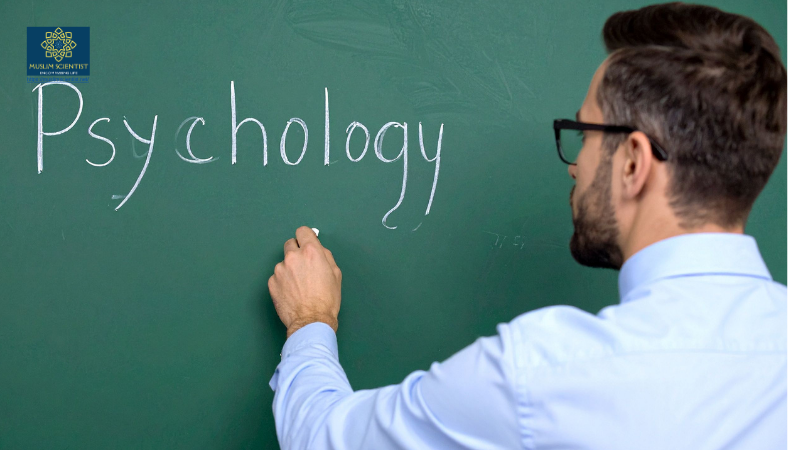
Mental health challenges affect people across every culture and creed. Yet for the world’s 1.9 billion Muslims, accessing effective psychological support often involves navigating a complex intersection of faith, culture, and stigma. Many conventional therapeutic approaches, developed primarily in Western individualistic contexts, fail to resonate with Muslim patients who view their mental well-being as inseparable from their spiritual health.
A new systematic review published in the Journal of Religion and Health offers compelling evidence that bridging positive psychology with Islamic teachings can transform mental health outcomes. The research, which synthesized findings from studies across Indonesia, Malaysia, and the Philippines, demonstrates that culturally adapted interventions rooted in Islamic values significantly enhance happiness, reduce stress, and foster resilience.
What Makes Islamic Positive Psychology Different?
Standard positive psychology interventions often emphasize individual achievement and personal growth. Islamic adaptations, however, take a distinctly different approach. They systematically incorporate core spiritual practices including prayer, trust in God (tawakkul), gratitude (shukr), and patience (sabr) as therapeutic mechanisms.
Community and family ties receive particular emphasis in Islamic frameworks. Interventions frequently utilize congregational prayer sessions (salah) and community service activities such as almsgiving (zakat) as therapeutic methods. This collectivist orientation contrasts sharply with Western approaches that typically focus on individualistic solutions.
Consider cognitive behavioral therapy (CBT). While successfully adapted for Muslim communities, these modifications incorporate Islamic principles rather than implementing the original model unchanged. Therapists help clients reframe negative thoughts through a faith-based perspective, interpreting personal struggles as opportunities for spiritual growth and resilience.
The Evidence: Four Studies, Four Success Stories
The systematic review identified four studies meeting rigorous inclusion criteria. Each demonstrated positive outcomes across diverse populations:
What the Research Found
| Who Was Studied | Where | What They Did | How Long | What Happened |
|---|---|---|---|---|
| University students | Indonesia | Took online training combining positive psychology with Islamic values | 6 sessions | Their ability to bounce back from difficulties grew significantly |
| Hospital nurses | Indonesia | Completed a training program based on Islamic positive psychology | 4 weeks | Their mental health and well-being improved noticeably |
| Humanitarian aid workers | Philippines | Participated in an Islamic spiritual-psychological program | 8 weeks | They showed meaningful healing and growth after traumatic experiences |
| University students | Malaysia | Wrote gratitude letters with references to Quranic teachings | 3 weeks | Their happiness levels increased substantially |
What This Means: Across all four studies, participants consistently felt better mentally and emotionally. The nurses working in stressful hospitals showed clear improvements. The aid workers who had experienced trauma demonstrated real psychological recovery. And students in both Indonesia and Malaysia became happier and more resilient.
Why This Matters: These weren’t just any mental health programs. Each intervention was carefully designed to respect and incorporate Islamic beliefs, making them feel natural and meaningful to the participants.
Islamic Concepts That Boost Mental Health
| Islamic Term | Simple Meaning | How It Helps Your Mind | What You Can Try |
|---|---|---|---|
| Shukr | Being grateful to Allah | Shifts focus from problems to blessings, reducing stress and anxiety | Write down 3 things you’re thankful for each day |
| Tawakkul | Trusting Allah completely | Helps let go of excessive worry, knowing God has a plan | When anxious, remind yourself “I trust in God’s plan” |
| Sabr | Being patient through hardship | Builds inner strength and resilience during tough times | View challenges as growth opportunities, not punishments |
| Dhikr | Remembering God through prayer | Calms the mind, similar to meditation, reduces emotional distress | Take 5 minutes daily for quiet reflection and prayer |
| Tazkiyah | Purifying your character | Develops moral virtues like honesty and kindness | Practice one act of kindness daily without expecting anything back |
What This Means: These five concepts aren’t just religious ideas—they’re practical mental health tools that have been used for centuries. Modern science is now confirming what Islamic tradition has long taught: these practices genuinely improve psychological well-being.
How to Use This: You don’t need to be a therapist to benefit. Pick one practice and try it for a week. Notice how it affects your mood, stress levels, and overall outlook.
Cultural Compatibility: Why Context Matters
Islamic teachings align remarkably well with positive psychology’s emphasis on gratitude, hope, and resilience. However, significant differences emerge in how these concepts are framed. Hope, for instance, exists within a spiritual context grounded in trust and reliance on Allah. This theological foundation requires a unique conceptual framework that interventions must address.
The collectivist nature of Muslim societies presents both opportunities and challenges. While community support systems enhance therapeutic outcomes, Western psychological practices emphasizing independence may create tension. Successful interventions balance individual development with communal welfare—a delicate but achievable equilibrium.
Mental health professionals increasingly recognize that incorporating spiritual and religious components into therapy is essential for effectively serving Muslim individuals. Patients who feel their faith is acknowledged and respected demonstrate greater engagement and improved outcomes.
Practical Implications for Mental Health Professionals
The systematic review offers several actionable recommendations for practitioners:
Embrace strengths-based approaches that highlight resilience, character strengths, and virtues aligned with Islamic teachings. Therapists should structure interventions incorporating gratitude, compassion, and spiritual coping mechanisms.
Collaborate with community organizations and religious leaders when designing interventions. These partnerships strengthen therapeutic relationships and ensure cultural relevance.
Invest in training that integrates Islamic psychology principles. Understanding transformative elements of Islamic teachings can significantly enhance character development processes in psychotherapy.
Develop culturally validated assessment tools that measure well-being according to Islamic principles. Current models often neglect crucial cultural nuances influencing self-perception and emotional expression.
Limitations and Future Directions
While the findings are encouraging, the authors acknowledge important limitations. Small sample sizes, reliance on self-reported data, and insufficient long-term follow-up periods constrain generalizability. Most research focused on particular regions, leaving gaps in knowledge about how interventions might apply to other Muslim communities including refugees and minority groups in Western nations.
Future research priorities include larger randomized controlled trials, qualitative investigations exploring personal experiences with combined psychological approaches, and exploration of technology-enabled intervention delivery. Additionally, researchers should examine how Islamic values shape psychological characteristics across different demographic subgroups, including women, youth, and trauma survivors.
A Path Forward
This systematic review makes significant contributions to psychotherapy by providing a framework integrating Islamic principles with positive psychological interventions. For mental health professionals working with Muslim communities, the message is clear: culturally sensitive practices, collaborative partnerships, and ongoing education on Islamic psychology aren’t optional enhancements—they’re essential components of effective care.
The integration of faith and flourishing represents a promising frontier in mental healthcare. By honoring the spiritual dimensions that shape Muslim identity while employing evidence-based psychological techniques, practitioners can help individuals achieve not merely symptom relief, but genuine holistic well-being.
Reference: here
Other Articles: