Groundbreaking research from Islamic economics proposes a new model for human well-being that challenges the very foundations of modern economic thinking.
Summary
A study presents a radical rethinking of how we measure progress and prosperity . Authored by Haithem Kader, this research argues that our current economic systems are failing because they prioritize material growth over genuine human flourishing .
The Core Problem: Persistent poverty, widening inequality, and environmental destruction are not accidental side effects of modern markets. They are symptoms of a deeper philosophical flaw: a utilitarian obsession with maximizing pleasure and wealth .
The Islamic Alternative: The study proposes a comprehensive model of human well-being rooted in Islamic tradition. This model integrates the philosophy of happiness (saʿādah) with five essential goods that must be protected and nurtured :
| Dimension of Well-Being | Essential Good (Maqāṣid) |
|---|---|
| Spiritual | Religion (Dīn) |
| Physical & Psychological | Self (Nafs) |
| Intellectual | Intellect (‘Aql) |
| Familial & Social | Progeny (Nasl) |
| Material | Wealth (Māl) |
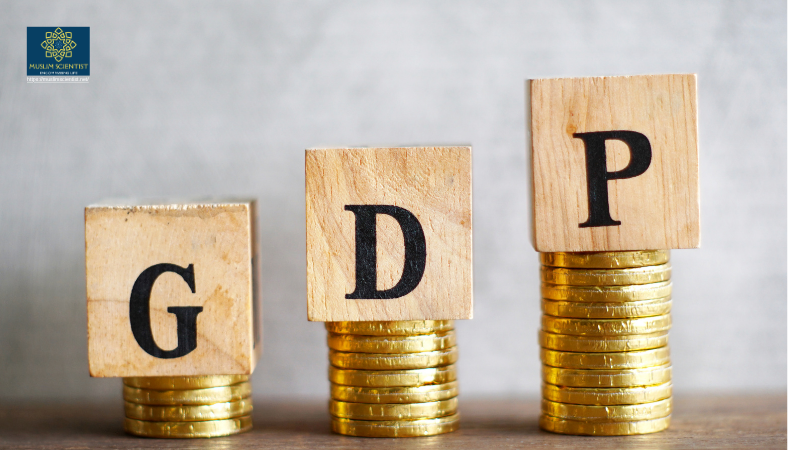
Beyond Materialism: This framework challenges the narrow focus on GDP and income. It argues that true well-being requires balancing material prosperity with spiritual, intellectual, and social health .
Why This Matters Now: As the world grapples with climate change, social unrest, and a crisis of meaning, this research offers a timely pathway forward. It calls for Islamic finance and OIC countries to develop well-being indices that measure what truly counts—not just growth, but human flourishing .
A Universal Message: The study highlights how Islamic ethics align with other virtue-based traditions, like Aristotelian and Christian thought. This suggests a potential for global dialogue on creating economies that serve humanity, rather than the other way around .
The Crisis of Measurement: Why GDP Is Not Enough
For decades, we have equated progress with economic growth. The more we produce and consume, the better off we are assumed to be. Yet, soaring rates of depression, environmental collapse, and social fragmentation tell a different story.
The study’s author argues that this disconnect arises from a flawed philosophical foundation. Modern economics, rooted in utilitarianism, defines well-being as the maximization of pleasure and the minimization of pain . This view, however, reduces human life to a simple calculation, ignoring the deeper needs of the soul, the mind, and the community.
Consequently, policies that boost GDP often come at the expense of family stability, mental health, and the natural environment. We have become wealthier, but have we become better?
A Vision of Holistic Well-Being: The Five Essential Goods
The research offers an antidote by drawing from the Islamic intellectual tradition. At its heart is the concept of maqāṣid al-Sharīʿah—the higher objectives of Islamic Law . These objectives are not merely legal rules but represent the core purposes of a just society: to protect and nurture the fundamental pillars of human life.
The study integrates these objectives with the Islamic philosophy of happiness (saʿādah), creating a powerful framework . This framework explicitly recognizes that economic activity is not an end in itself but a means to achieve a balanced and meaningful life.
| Framework Component | Description | Practical Implication |
|---|---|---|
| Tawḥīd (Oneness) | The Islamic worldview that everything is connected to God. | Economic activity must align with divine principles of justice and morality. |
| Saʿādah (Happiness) | A holistic, virtue-based concept of human flourishing. | Policy should aim for spiritual, intellectual, and social fulfillment, not just material comfort. |
| Maqāṣid al-Sharīʿah (Higher Objectives) | The five essential goods that must be protected. | Provides a concrete “objective list” for measuring well-being. |
Applying the Model: From Theory to Practice
This conceptual model is not merely an academic exercise; it has profound practical implications .
Transforming Islamic Finance: Currently, the Islamic finance sector often focuses on compliance with formal rules (e.g., avoiding interest). This research challenges it to aim higher. Instead of just measuring profitability, Islamic banks and investment firms could be evaluated on how well they protect and promote the five essential goods . Do their investments contribute to intellectual development? Do they strengthen family structures? Do they enhance spiritual well-being?
A New Index for Nations: The study proposes that the 57 member states of the Organisation of Islamic Cooperation (OIC) collaborate to develop a joint well-being index . Such an index would provide a more accurate picture of national progress than GDP alone, guiding policy towards genuine human development.
Engaging the World: Ultimately, this research demonstrates that Islamic economics has much to contribute to global conversations about sustainable and equitable development . By highlighting the universal relevance of its virtue-based ethics, it opens the door for productive dialogue with other moral traditions.