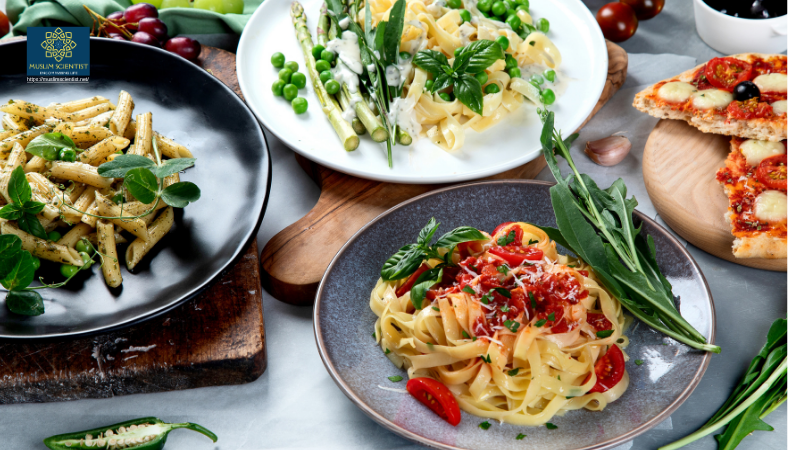
The global food industry is witnessing a seismic shift, and at the heart of this change lies the rapidly expanding Islamic economy. For decades, Italian food and beverage (F&B) companies relied heavily on traditional Western markets. Today, however, the strategic focus is pivoting toward the Middle East and North Africa (MENA). This shift is not merely about exporting pasta and olive oil; it represents a sophisticated evolution in marketing, production, and cultural integration. Islamic Marketing has emerged as a vital discipline for Italian firms aiming to capture the loyalty of 1.6 billion Muslim consumers worldwide.
This comprehensive analysis explores the data, cultural history, technical requirements, and best practices that define the intersection of Made in Italy and the Islamic market. By understanding these dynamics, Italian businesses can unlock unprecedented growth opportunities in some of the world’s most dynamic economies.
The Economic Landscape: Data Driving the Strategy
The financial incentives for Italian companies are undeniable. The MENA region represents a market of immense potential. According to trade data, the commercial exchange between Italy and MENA countries is substantial, valued at approximately €70 billion, with predictions suggesting this could reach €80 billion by 2018. Italian exports to this region specifically account for roughly 10% of the country’s total global exports.
Saudi Arabia, the United Arab Emirates (UAE), and Turkey stand out as the primary destinations for Italian F&B products. In 2016, Saudi Arabia imported €177.2 million worth of Italian food and beverages, followed closely by the UAE at €173 million and Turkey at €117 million. These figures underscore a growing appetite for Italian cuisine in the Gulf.
Italian Food & Beverage Exports to Key MENA Countries (2016)
| Country | Export Value (Millions of Euros) |
|---|---|
| Saudi Arabia | €177.2 |
| United Arab Emirates | €173.0 |
| Turkey | €117.0 |
| Egypt | €36.8 |
| Qatar | €26.4 |
| Kuwait | €45.6 |
However, Italy faces stiff competition. Germany remains the leading exporter to these markets, followed by Italy. To maintain and grow its market share, Italian companies must move beyond simple trade and adopt comprehensive Islamic marketing strategies. This involves not just selling products, but understanding the deep cultural and religious nuances that dictate consumer behavior in the Muslim world.
Historical Ties: A Foundation for Modern Trade
The relationship between Italy and the Islamic world is not a new phenomenon; it is rooted in centuries of trade, diplomacy, and cultural exchange. Understanding this history provides context for modern business strategies. Venice, known as the “Serenissima,” served as the primary gateway between Europe and the Ottoman Empire. For nearly five centuries, despite periods of conflict, Venice and the Ottomans maintained a robust commercial relationship based on mutual respect and economic necessity.
This exchange went beyond goods; it influenced cuisine. The Venetian tradition of sarde in saor—sardines marinated with onions, raisins, pine nuts, and vinegar—reflects the Middle Eastern use of sweet-and-sour flavors. Similarly, the introduction of coffee to Europe is credited to Venetian merchants who brought the beverage from Constantinople. In Southern Italy, the Arab domination of Sicily and parts of Campania introduced citrus fruits, rice, and pasta, which have become staples of Italian identity.
Arab Influences on Italian Cuisine
| Region | Introduced Product/Dish | Origin/Influence |
|---|---|---|
| Sicily | Citrus (Lemon, Orange), Rice | Arab agricultural innovations |
| Sicily | Cannolo, Cassata | Arab desserts using ricotta and sugar |
| Campania | Pasta (Dry) | Arab preservation techniques |
| Venice | Coffee, Spices | Trade with the Ottoman Empire |
These historical connections demonstrate that Italian and Islamic cultures are not distant strangers but deeply intertwined. Modern marketers can leverage this shared heritage to build emotional connections with consumers in the MENA region. By highlighting the shared history of food, Italian brands can position themselves not as foreign entities, but as familiar partners in a culinary journey.
The Core of Islamic Marketing: Halal and Ethics
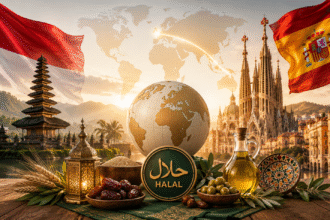
At the center of Islamic marketing lies the concept of Halal (permissible) and Haram (forbidden). For Muslim consumers, these are not just dietary guidelines; they are religious obligations that dictate every aspect of life, including commerce. Halal extends beyond food to cosmetics, pharmaceuticals, finance, and tourism. In the F&B sector, this means strict adherence to the Shari’ah law.
The Quran explicitly forbids the consumption of pork, blood, carrion, and animals slaughtered in the name of anything other than Allah. Furthermore, alcohol is prohibited. For Italian companies, famous for their cured meats like Prosciutto di Parma and wines like Chianti, this presents a significant challenge. However, it also opens doors for innovation. Companies are developing alcohol-free wines and Halal-certified cured meats to meet this demand.
Ramadan represents a critical period for F&B sales. Contrary to the expectation of reduced consumption due to fasting, Ramadan often sees a surge in spending. Consumers purchase special foods for Iftar (the evening meal breaking the fast) and gifts for Eid al-Fitr. Italian brands like Ferrero and Barilla have successfully capitalized on this by creating special edition packaging and advertising campaigns that resonate with the spiritual and festive nature of the month. For instance, Ferrero’s “Ramadan Kareem” collection features lanterns and crescent moons, symbols deeply rooted in Islamic tradition.
Technical Requirements: The Halal Certification Process
Marketing alone is insufficient; products must meet rigorous technical standards to be certified Halal. This is where many Italian SMEs struggle. Halal certification is not a one-time stamp; it is a continuous process that ensures the integrity of the entire supply chain.
First, suppliers must be vetted. All raw materials, including emulsifiers, additives, and flavorings, must be free from Haram substances. This is particularly tricky with gelatin (often pork-derived) and mono- and diglycerides (which can be animal-based).
Second, production lines must be segregated. If a company produces both Halal and non-Halal products, separate lines, equipment, and utensils are required. Alternatively, rigorous cleaning protocols must be followed to avoid cross-contamination. For example, a pasta factory producing a sauce with wine must ensure that no traces of alcohol remain in the Halal product line.
Third, traceability is paramount. Consumers must trust the product. The Halal logo on the packaging is a promise of quality and religious compliance. Italian certification bodies such as Halal Italia, HIA (Halal International Authority), and WHA (World Halal Authority) play a crucial role in verifying these standards. Without a recognized certification, Italian products risk being rejected at customs in strict markets like Saudi Arabia.
Case Study: Eataly’s Strategic Success
Eataly, the global ambassador of Italian cuisine, offers a masterclass in Islamic marketing adaptation. Founded by Oscar Farinetti, Eataly has successfully expanded into the Middle East by respecting local cultures while maintaining its Italian identity.
In its stores in Istanbul, Dubai, Doha, and Riyadh, Eataly has made deliberate operational changes. The most obvious is the absence of pork and alcohol in its Arabian Peninsula locations. While Eataly in Istanbul (a secular country) serves prosciutto and wine, the stores in the Gulf strictly adhere to Halal rules. This decision aligns with local laws and the preferences of the local clientele.
Instead of simply removing items, Eataly adapted its menu. It introduced “Halal” versions of Italian classics, such as beef bacon and alcohol-free cocktails (mocktails). The menus include traditional Italian dishes alongside Middle Eastern favorites like lentil soup, creating a fusion that appeals to local tastes. Furthermore, Eataly tailored its marketing during Ramadan. The stores offer special “Iftar” platters and extended hours, positioning themselves as community hubs during the holy month.
This strategy has paid off. Eataly continues to expand in the region, with multiple stores in Dubai and Doha. By offering a “Made in Italy” experience that is compatible with Islamic values, Eataly has built a bridge between two cultures, proving that adaptation does not mean losing identity.
The Trap of “Italian Sounding” and the Value of Authenticity
While the market is ripe with opportunity, it is also fraught with risks. One major threat is Italian Sounding—the phenomenon where non-Italian companies use Italian-sounding names, colors, and imagery to sell products that have no connection to Italy. This deceives consumers and erodes the value of authentic Made in Italy products.
To combat this, Italian companies must emphasize authenticity and traceability. The Country of Origin Effect (COE) is a powerful tool. Consumers in the UAE, for example, regard Italian food as synonymous with quality, style, and tradition. A survey showed that 63% of consumers associate Made in Italy with food. By obtaining Halal certification and promoting the “Italian quality” narrative, companies can differentiate themselves from counterfeiters.
However, certification alone is not enough. Italian brands must tell their story. They must explain the passion, the history, and the craftsmanship behind their products. This creates an emotional connection that generic “Italian-sounding” products cannot replicate.
Overcoming Challenges: Language, Politics, and Logistics
Entering the Islamic market is not without its hurdles. Language barriers often lead to marketing missteps. Poorly translated slogans or culturally insensitive imagery can offend consumers. For instance, using the wrong dialect or failing to localize content can make a brand appear distant and disrespectful. Companies must invest in professional translation and cultural consultation.
Political instability in parts of the MENA region also poses a risk. The SACE Risk Map highlights that countries like Iraq and Palestine face high risks of war and civil unrest. This can disrupt supply chains and endanger investments. Italian companies must conduct thorough risk assessments and develop contingency plans.
Logistics present another challenge. The expanded Suez Canal has facilitated trade, reducing transit times. However, the “last mile” in Middle Eastern cities can be complex. Eataly, for example, relies on local partners like Azadea Group for its franchising operations, leveraging local knowledge to navigate regulations and distribution networks.
The Future: Innovation and Sustainability
Looking ahead, the opportunities for Italian F&B in the Islamic market are vast. The demand for Halal-certified products is growing among non-Muslims as well, who perceive Halal as a mark of hygiene, safety, and ethical treatment of animals. This opens a broader market for Italian producers.
Innovation will be key. We are seeing the rise of “Halal Tech,” with apps and services helping consumers verify product authenticity. Italian companies should embrace these technologies to enhance transparency. Furthermore, there is a growing demand for sustainable and organic products, values that align well with the traditional Italian approach to agriculture.
Alcohol-free beverages represent a particularly exciting growth area. Italian wineries are experimenting with de-alcoholized wines that retain the taste of traditional wine without the alcohol content. These products cater to Muslims and health-conscious consumers alike, offering a “best of both worlds” solution.
Conclusion: A Strategic Imperative
Islamic marketing is no longer an optional niche; it is a strategic imperative for Italian F&B companies seeking growth. The MENA region offers a young, affluent, and increasingly sophisticated consumer base. By respecting religious requirements, obtaining Halal certification, and adapting marketing strategies to local cultures, Italian businesses can unlock this potential.
The success of Eataly and the historical ties between Italy and the Islamic world demonstrate that this relationship is built on mutual benefit. As the global economy becomes more interconnected, the ability to bridge cultural divides will define the winners. For Italy, the path forward is clear: embrace the Halal economy, preserve the authenticity of Made in Italy, and embark on a journey of shared culinary discovery.