Summary
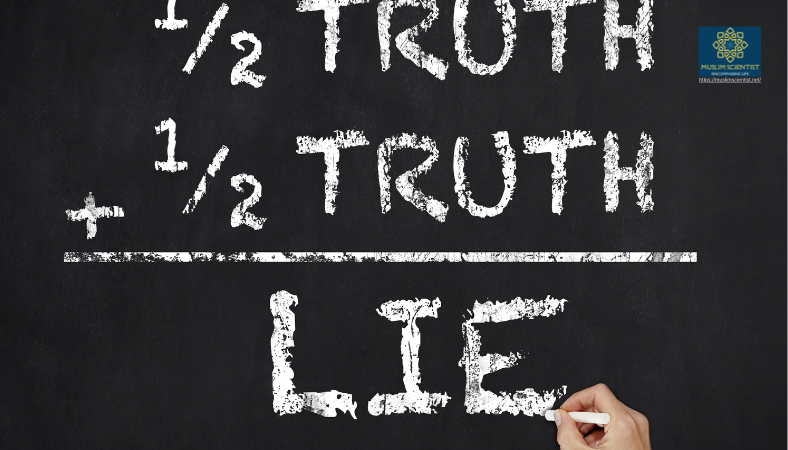
Lying (al-kadhib) represents one of the most comprehensively condemned behaviors in Islamic ethics, positioned not merely as a social impropriety but as a spiritual disease that corrupts the soul, undermines community trust, and—as contemporary neuroscience demonstrates—alters brain structure and function. This article synthesizes classical Islamic jurisprudence with modern empirical research to present an integrated analysis of lying’s prohibition, its neurological and psychological consequences, and the narrow exceptions recognized by Islamic law. The evidence reveals a remarkable convergence between fourteenth-century prophetic teachings and twenty-first-century neuroscience: both traditions identify lying as a habituating behavior that escalates through neural adaptation, imposes measurable cognitive burdens, damages physical and mental health, and inflicts pain on victims comparable to physical injury. The article concludes by examining practical strategies for cultivating truthfulness drawn from both Islamic spiritual tradition and behavioral psychology.
1. Introduction
The Arabic term kadhib denotes any statement contrary to reality, whether intentional or arising from negligence in verification. In Islamic moral theology, lying is not merely a social impropriety but a spiritual disease that corrupts the soul and undermines the fabric of community trust. The Prophet Muhammad is reported to have warned: “Beware of lying, for lying leads to wickedness and wickedness leads to Hell” (Sahih al-Bukhari; Sahih Muslim).
What distinguishes the Islamic treatment of lying is its holistic framework: the Quran and prophetic tradition address not only the act itself but its habituating nature, its social consequences, and its spiritual trajectory. Remarkably, contemporary neuroscience has begun to validate these ancient insights with empirical precision. Studies using functional magnetic resonance imaging (fMRI) have demonstrated that lying adapts the brain’s emotional response systems, imposes measurable cognitive loads, correlates with structural brain differences, and inflicts neurologically verifiable pain on victims.
This article presents a comprehensive examination of lying in Islam, structured in four parts: (1) the scriptural and jurisprudential foundations of the prohibition, (2) the scientific evidence demonstrating lying’s neurological and psychological effects, (3) a comparative analysis of Islamic and scientific perspectives, and (4) practical strategies for cultivating truthfulness grounded in both traditions.
2. The Prohibition of Lying: Scriptural Foundations
2.1 Quranic Evidence
The Quran employs multiple terms for falsehood—kadhib, zur, iftira—and condemns them in uncompromising language. Surah An-Nahl (16:105) establishes the theological gravity of the offense: “Only those who do not believe in the verses of Allah invent falsehood, and those are the liars.” The juxtaposition of lying with disbelief suggests that habitual falsehood corrodes faith itself, reducing the liar to a state of spiritual estrangement.
Surah An-Nur (24:11–18) addresses the “great lie” (al-ifk) circulated against the Prophet’s wife Aisha, warning believers against spreading unverified reports. The text states: “When you received it with your tongues and said with your mouths that of which you had no knowledge, you considered it trivial, but it is serious in the sight of Allah” (Q 24:15). This verse establishes a critical epistemological principle: speech without knowledge (‘ilm) constitutes lying, even if the speaker sincerely believes the content to be true. The prohibition thus extends beyond intentional deception to include negligent assertions made without verification.
2.2 Prophetic Tradition
The canonical hadith collections preserve numerous traditions establishing lying as a marker of hypocrisy and a pathway to spiritual ruin. The most cited is from Sahih al-Bukhari and Sahih Muslim:
“There are four characteristics, whoever has them all is a pure hypocrite… when he speaks he lies, when he makes a covenant he betrays it, when he is entrusted he betrays that trust, and when he disputes he resorts to obscene speech.”
Another widely transmitted tradition, narrated by Ibn Mas’ud, pairs truthfulness with paradise and lying with hellfire:
“Truthfulness leads to righteousness and righteousness leads to Paradise… And lying leads to wickedness and wickedness leads to Hell.”
The Prophet’s warning is not merely that lying is sinful but that it initiates a chain: lying leads to wickedness (fujur), and persistent wickedness leads to Hell. The pattern is explicitly escalatory—a single lie is not an isolated act but the first link in a chain that, if unbroken, culminates in spiritual destruction.
The Prophet also condemned lying in jest: “Woe to the one who speaks and lies to make people laugh” (Sunan Abu Dawud). This tradition closes the common loophole that humor somehow sanitizes falsehood.
2.3 The Three Exceptions
The primary evidence for exceptions to the prohibition is a tradition narrated by Umm Kulthum bint ‘Uqbah, recorded in both Bukhari and Muslim:
“The person who (lies) in order to conciliate between people is not a liar, when he conveys good or says (something) good.”
Muslim’s narration adds a critical qualifier: “I never heard him [the Prophet] giving permission of lying in anything except in three (things): war, conciliating between people, and the conversation of a man with his wife and the conversation of a woman with her husband.”
Ibn Baz, the late Saudi Grand Mufti, articulated the governing principle: speech is a means to ends; if an honorable objective can be achieved without lying, lying remains forbidden; if it cannot, lying becomes permissible, and if the objective is obligatory, lying becomes obligatory. He offered the example of a Muslim hiding from an oppressor who seeks to kill him: if asked about the fugitive’s whereabouts, lying becomes wajib (obligatory) to protect innocent life.
The Hanbali scholar Ibn Qayyim al-Jawziyya emphasized the concept of tawriyah—double entendre or equivocation—as the preferred alternative even when lying is technically permitted. The speaker intends a true meaning while allowing the listener to infer something false.
| Exception | Scope and Conditions | Evidence Source | Scholarly Consensus |
|---|---|---|---|
| War (harb) | Deception in military strategy; “war is deception” | Muslim, Bukhari | Broad agreement |
| Reconciliation (islah) | Conveying good words between disputing parties; not fabricating harm | Bukhari, Muslim | Broad agreement |
| Spousal conversation | Creating affection and harmony; not concealing harm or violating rights | Muslim | Agreement with conditions |
These exceptions are grounded in necessity (darura), not convenience. The reconciliation exception is narrower than commonly assumed: the hadith specifies that the conciliator “conveys good or says something good”—he does not fabricate grievances or attribute false statements to either party. The conciliator who reports to one spouse that the other spoke warmly of them, when no such words were uttered, has technically lied, but the purpose is to heal rather than deceive for gain.
3. Scientific Evidence: The Neuroscience of Lying
3.1 The Brain Adapts to Dishonesty
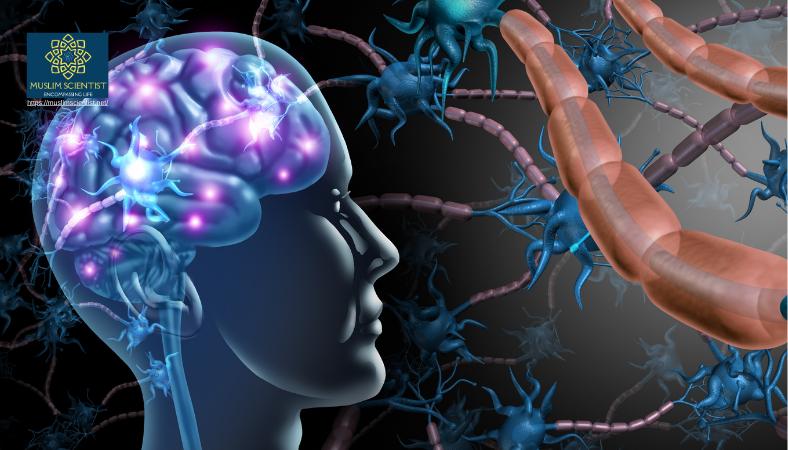
The most influential study on lying’s neural effects is Garrett, Lazzaro, Ariely, and Sharot’s 2016 paper in Nature Neuroscience, titled “The brain adapts to dishonesty.” Using fMRI, the researchers scanned participants’ brains as they told repeated lies in a controlled experimental paradigm.
The findings were striking: the first lie produced strong activation in the amygdala, the brain’s emotional center associated with fear and guilt. Participants reported discomfort, elevated heart rate, and physiological stress responses. However, as lies were repeated, amygdala activation diminished progressively. By the tenth, twentieth, or hundredth lie, the amygdala’s response was significantly blunted.
Crucially, the magnitude of amygdala adaptation predicted the escalation of lying behavior: the more the brain adapted, the larger the subsequent lies became. This establishes what the authors termed a “slippery slope” mechanism: small lies desensitize the brain, making larger lies feel less aversive.
This phenomenon bears a striking resemblance to the Quranic concept of qaswatul qalb—hardness of the heart. The Prophet warned that persistent sinning blackens the heart until it can no longer perceive moral discomfort. The Garrett et al. study provides a neural mechanism for this ancient observation: what Islam describes as spiritual hardening, neuroscience identifies as amygdala habituation. The phenomenon is identical; only the vocabulary differs.
3.2 The Cognitive Burden of Deception
When a person tells the truth, the brain’s task is relatively simple: retrieve and report the factual memory. When a person lies, the brain must perform three simultaneous operations: (1) suppress the truthful response, (2) generate a plausible false narrative, and (3) maintain consistency with that false narrative in future interactions.
fMRI research demonstrates that this triad of cognitive operations activates the prefrontal cortex, anterior cingulate cortex, and amygdala simultaneously. The cognitive load is substantially higher than truth-telling. This explains why liars often appear fatigued, irritable, and prone to forgetting details of their own fabrications—their brains are expending significant resources on maintaining the deception.
The Quran alludes to this burden in its description of the hypocrites: “They think every cry is against them” (Q 9:56)—a state of chronic vigilance that modern psychology recognizes as a hallmark of deception maintenance.
3.3 Physical and Mental Health Consequences
Anita Kelly’s “Science of Honesty” study at the University of Notre Dame tracked 110 adults over ten weeks. Participants were randomly assigned to either a control group or an experimental group instructed to reduce their lying. The experimental group reported 54% fewer mental health complaints (stress, anxiety) and 56% fewer physical complaints (headaches, digestive issues) compared to the control group.
The mechanism is cortisol, the primary stress hormone. Lying triggers cortisol spikes as the body prepares for potential detection. Chronic cortisol elevation is associated with hypertension, weakened immune function, sleep disruption, and anxiety disorders. The liar’s body, in other words, pays a measurable physiological price for every falsehood.
3.4 Structural Brain Differences
A 2005 study by Yang and colleagues published in the British Journal of Psychiatry examined individuals with pathological lying patterns and found they had reduced gray matter volume in the prefrontal cortex—the brain region responsible for self-control, moral judgment, and empathy.
While causality cannot be definitively established from cross-sectional data, the correlation is significant: habitual lying is associated with structural differences in the very brain regions that would normally inhibit dishonest behavior. The liar is not merely choosing to lie; the liar’s brain is being reshaped in ways that make truth-telling increasingly difficult.
3.5 The Pain of the Victim
Naomi Eisenberger’s research at UCLA on social pain has demonstrated that betrayal and deception activate the dorsal anterior cingulate cortex and anterior insula in the victim’s brain—the same regions activated during physical pain. This is why being betrayed “hurts” in a way that feels physical: the brain processes social injury using the same neural circuitry as bodily injury.
The Prophet’s teaching that “the liar is not one of us” takes on added significance in this light. A community that tolerates lying is not merely ethically compromised; it is inflicting neurologically verifiable pain on its members.
| Scientific Finding | Study | Islamic Parallel |
|---|---|---|
| Amygdala adapts to repeated lying, escalating behavior | Garrett et al. (2016), Nature Neuroscience | Qaswatul qalb (hardness of heart) from persistent sin |
| Lying imposes higher cognitive load than truth | fMRI studies on prefrontal activation | Hypocrites’ chronic anxiety (Q 9:56) |
| Reduced lying improves mental and physical health | Kelly et al., Notre Dame | “Truthfulness leads to righteousness” (Bukhari, Muslim) |
| Pathological liars have reduced prefrontal gray matter | Yang et al. (2005), British Journal of Psychiatry | Lying as mark of hypocrisy (Bukhari, Muslim) |
| Betrayal activates physical pain circuits in victims | Eisenberger et al., UCLA | Community trust as religious obligation |
4. Comparative Analysis: Where Islam and Science Converge
The convergence between Islamic teaching and neuroscientific evidence is not coincidental but reflects a shared understanding that lying is not a neutral act but a transformative one—transformative of the speaker, of the listener, and of the community.
Islam teaches that lying leads to wickedness and wickedness leads to Hell. Science demonstrates that repeated lying adapts the amygdala, reducing guilt and enabling larger lies.
Islam teaches that lying is a sign of hypocrisy and weakens moral character. Science demonstrates that pathological liars have reduced gray matter in brain regions governing self-control and moral judgment.
Islam teaches that truthfulness brings tranquility. Science demonstrates that reducing lying produces 54% fewer mental health complaints and 56% fewer physical complaints.
Islam teaches that betrayal is a grave sin against the community. Science demonstrates that betrayal activates the same brain regions as physical injury.
The Islamic prohibition of lying is not arbitrary moralism. It is a comprehensive system designed to protect the individual’s spiritual and neurological health and the community’s social fabric. The fact that fourteenth-century prophetic teachings align with twenty-first-century neuroscience suggests that the prohibition addresses fundamental features of human nature—features that Allah, in His wisdom, created and understood.
5. Practical Strategies for Cultivating Truthfulness
5.1 Start with the Small Lies
The neuroscience of habituation cuts both ways: just as small lies desensitize the amygdala to larger ones, so too does resisting small lies strengthen the habit of truthfulness. The Muslim should begin by eliminating what are commonly dismissed as “white lies”—saying “I’m on my way” when one has just woken up, claiming “I already sent it” when one has not. These small deceptions train the amygdala to tolerate falsehood; eliminating them trains it to remain sensitive.
5.2 The Three-Second Pause
Most lies are not premeditated acts of malice but panicked responses to perceived threat. The Prophet advised deliberation in speech. Before responding under pressure, the Muslim should pause, breathe, and remind themselves: “I do not have to answer perfectly; I only have to answer truthfully.” This brief cognitive interruption allows the prefrontal cortex to override the amygdala’s threat response.
5.3 Accepting Short-Term Consequences
Honesty is painful in the short term and liberating in the long term; lying is liberating in the short term and painful in the long term. The Prophet described truthfulness as “tranquility” (tuma’ninah) and lying as “doubt” (rayb). The Muslim must cultivate the courage to accept immediate discomfort—a reprimand, a disappointed look, a lost opportunity—in exchange for long-term integrity.
5.4 Tawbah and Restitution
Islamic law distinguishes between sins against Allah and sins against people. A lie that harms another person cannot be expiated by istighfar alone; it requires restitution and seeking forgiveness from the wronged party. This principle aligns with modern therapeutic approaches to accountability, which emphasize that genuine repair requires acknowledgment of harm and effort to make amends.
5.5 Building a Truth-Friendly Environment
If a home or workplace consistently punishes honesty and rewards deception, people will lie. Creating a truth-friendly environment means responding to painful honesty not with anger but with appreciation for the courage it required. The Prophet modeled this when he forgave those who confessed wrongdoing sincerely.
6. Conclusion
The Islamic prohibition of lying is robust, textually grounded, and reinforced by both Quranic condemnation and prophetic warning. The three exceptions—war, reconciliation, and spousal harmony—are narrow, evidenced by authentic hadith, and subject to conditions that exclude self-serving deception. The juristic preference for tawriyah over outright falsehood reveals a sophisticated ethical sensibility that seeks to minimize deception even when it is permitted.
What distinguishes the Islamic approach is its integration of spiritual, ethical, and practical dimensions. Lying is not merely a social impropriety or a legal violation; it is a disease of the soul that manifests in neural adaptation, cognitive burden, physical stress, and social harm. The Quran’s warning that lying leads to wickedness and the Prophet’s description of lying as a marker of hypocrisy are not archaic moralisms but accurate descriptions of lying’s transformative power.
The Prophet Muhammad was known as Al-Amin—the Trustworthy—even before he received revelation. In an age of edited photos, curated social media personas, and casual deception, truthfulness is a form of quiet jihad. The question the Muslim should ask is not “Will this lie be discovered?” but “What is this lie doing to my brain, my heart, and my community?” The answer, according to both Islam and science, is: more than you think.
References
- Al-Quran, Surah An-Nahl 16:105.
- Al-Quran, Surah An-Nur 24:11–18.
- Al-Bukhari, Sahih al-Bukhari, Book of Faith, Hadith on hypocrisy.
- Muslim, Sahih Muslim, Book of Faith, Hadith on truthfulness and lying.
- Abu Dawud, Sunan Abu Dawud, Hadith on lying in jest.
- Ibn Baz, A. (n.d.). Bab bayan ma yajuzu min al-kadhib [Chapter on what is permissible of lying]. binbaz.org.sa.
- Ibn Qayyim al-Jawziyya, Madarij al-Salikin [Ranks of the Seekers].
- Garrett, N., Lazzaro, S. C., Ariely, D., & Sharot, T. (2016). The brain adapts to dishonesty. Nature Neuroscience, 19(12), 1727–1732.
- Kelly, A. E., et al. (2012). The Science of Honesty. University of Notre Dame.
- Yang, Y., et al. (2005). Prefrontal white matter in pathological liars. British Journal of Psychiatry, 187, 320–325.
- Eisenberger, N. I., et al. (2003). Does rejection hurt? An fMRI study of social exclusion. Science, 302(5643), 290–292.
- IslamicFinder. (2017, July 3). The status of a liar in Islam.
- Al Hakam. (2021, March 4). Is one permitted to tell a lie under certain circumstances?