A major new scientific review shows that date fruits and their discarded seeds are packed with health-boosting compounds—and could transform everything from bread and burgers to skincare, packaging, and even fuel.
Summary
A comprehensive review published in Molecules (April 2026) has revealed the remarkable potential of date palm fruits and their processing by-products to serve as high-value, sustainable ingredients across the food, pharmaceutical, cosmetic, and energy industries. The research, led by O. Djaoudene and colleagues from research institutions in Algeria, Spain, and Portugal, synthesizes evidence from hundreds of studies on the nutritional composition, bioactive compounds, and industrial applications of Phoenix dactylifera L.
The date palm, often called the “tree of life,” plays a vital socio-economic role in arid and semi-arid regions, particularly in the Middle East and North Africa. Global date production reached approximately 9.7 million tons in 2024, with Egypt, Saudi Arabia, Algeria, Iran, and Pakistan among the top producers. The global dates market was valued at US$31.03 billion in 2024 and is projected to grow to US$49.14 billion by 2032.
The review highlights that date fruits are nutrient-dense, containing over 80% carbohydrates on a dry matter basis, along with dietary fiber, essential minerals, vitamins, and a wide range of phytochemicals including phenolic acids, flavonoids, and carotenoids. These compounds exhibit documented antioxidant, anti-inflammatory, antidiabetic, and antimicrobial properties.
A key focus of the review is date seeds, which constitute 10-15% of the fruit and are often discarded as waste. Date seeds contain substantially higher levels of dietary fiber (10-87 g/100 g) compared to the pulp (2-8 g/100 g), along with significant amounts of phenolic compounds, tocopherols, and phytosterols. This makes them a promising source of functional food ingredients.
The review explores diverse applications for date-derived ingredients. In bakery products, date powder, paste, syrup, and seed flour have been shown to increase fiber, mineral, and phenolic contents while improving antioxidant activity. In dairy products, meat products, beverages, and confectionery, date ingredients enhance nutritional value and shelf life. Date seed powder has even been used to create caffeine-free coffee alternatives.
Beyond food, date-derived materials show potential in active and biodegradable food packaging, cosmetics (particularly for skin and hair health), pharmaceuticals (as excipients and anti-inflammatory adjuvants), agriculture (as organic fertilizers and biochar), and biofuel production (biodiesel, biohydrogen, and biogas).
However, the review notes significant research gaps. Most studies are limited to laboratory or pilot scale, with few addressing industrial scalability, cost-benefit analysis, or long-term consumer acceptance. Robust clinical trials on human health effects remain limited, and variability in cultivars and processing methods complicates standardization.
Overall, the review concludes that efficient valorization of date fruits and by-products offers promising strategies for reducing waste, implementing circular economy principles, and meeting growing consumer demand for healthier, sustainable products—contributing to global food security, economic development, and improved public health.
The Tree of Life: A Global Resource Hiding in Plain Sight
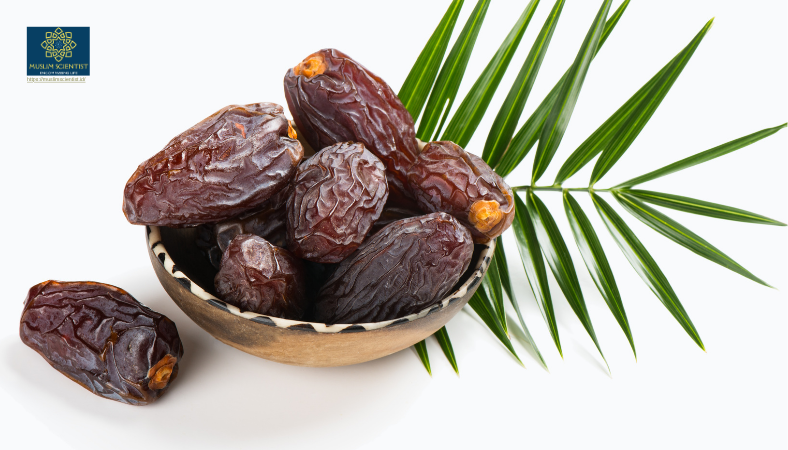
The date palm (Phoenix dactylifera L.) is more than just a source of sweet fruit. For thousands of years, it has sustained communities in some of the world’s harshest environments. Often called the “tree of life,” it provides food, animal feed, construction materials, and traditional remedies.
Today, date cultivation spans more than 3,000 cultivars worldwide. The Arecaceae family, to which the date palm belongs, includes over 200 genera and approximately 2,500 species. Global date production reached approximately 9.7 million tons in 2024, according to the Food and Agriculture Organization of the United Nations.
The Middle East and North Africa (MENA) region dominates production, accounting for more than 85% of global output. Egypt leads the way, followed by Saudi Arabia, Algeria, Iran, Pakistan, Iraq, Sudan, Oman, Tunisia, and the United Arab Emirates.
Economically, dates are big business. The global dates market was valued at US$31.03 billion in 2024 and is projected to grow at a compound annual growth rate of 5.99% between 2025 and 2032, reaching approximately US$49.14 billion.
Yet for all their economic importance, date fruits and their by-products remain vastly underutilized. Processing activities—turning dates into syrups, pastes, sugars, jams, jellies, juices, and vinegars—generate substantial amounts of waste, mainly seeds and pomace. These by-products are often discarded, despite containing high concentrations of bioactive compounds.
The new review, published in Molecules, sets out to change that narrative by providing a comprehensive synthesis of what science knows about date fruits and their potential.
What’s Inside a Date? A Simple Guide
| Component | What It Contains | Why It Matters |
|---|---|---|
| Date Pulp (85-90% of fruit) | Carbohydrates (over 80% of dry matter), dietary fiber, potassium, magnesium, calcium, vitamin C, B vitamins, vitamin A | Provides quick energy, supports digestion, contributes to heart health |
| Date Seed (10-15% of fruit) | Dietary fiber (10-87 g/100 g), phenolic compounds, tocopherols (vitamin E), phytosterols, unsaturated fatty acids | Often discarded, but rich in antioxidants and fiber—a promising functional ingredient |
| Bioactive Compounds | Phenolic acids, flavonoids, carotenoids, proanthocyanidins, sterols | Provide antioxidant, anti-inflammatory, antimicrobial, and antidiabetic effects |
Source: Comprehensive review of date palm composition (2026)
In simple terms, a date is a nutritional powerhouse. The pulp is sweet and energy-dense, making it a popular food for breaking fasts during Ramadan. The seed—which most people throw away—is actually a concentrated source of fiber and antioxidants.
The Science Behind the Health Benefits
Date fruits and seeds contain a wide array of bioactive compounds. These include phenolic acids (such as gallic acid, caffeic acid, and p-coumaric acid), flavonoids (such as quercetin and rutin), carotenoids, and phytosterols.
These compounds are associated with several health-promoting properties:
Antioxidant activity: Date polyphenols scavenge reactive oxygen species, chelate transition metals, and inhibit pro-oxidant enzymes. Studies have shown that oral administration of date fruit extract preserves endogenous antioxidant systems in rats and reduces lipid peroxidation.
Anti-inflammatory effects: Date seed consumption has been shown to reduce pro-inflammatory cytokines and cyclooxygenase expression in human subjects. In vitro studies demonstrate inhibition of protein denaturation and stabilization of lysosomal membranes.
Cardiovascular benefits: Date products have shown potential improvements in plasma lipid profiles, oxidative stress, and inflammation markers. Their favorable potassium-to-sodium ratio may support blood pressure regulation.
Antidiabetic activity: Date palm bioactives inhibit digestive enzymes, enhance glucose uptake, protect pancreatic cells, and reduce oxidative stress. In vivo studies report significant reductions in postprandial glycemia.
Antimicrobial properties: Date extracts demonstrate activity against a broad spectrum of pathogenic bacteria, likely through membrane disruption and enzyme inhibition.
Neuroprotective effects: Long-term dietary supplementation with dates reduced amyloid-β accumulation and neuroinflammation in mouse models of Alzheimer’s disease.
Anticancer activity: Date seed extracts reduced cancer cell viability and induced apoptosis in breast, liver, and colon cancer cell lines.
However, the review emphasizes that most of these findings come from laboratory assays and animal models, often using extracts and doses that may not reflect realistic dietary exposure. Human studies remain limited in number, sample size, and duration.
“Specific therapeutic claims should still be considered preliminary and require validation through adequately powered and well-controlled clinical trials,” the authors write.
From Waste to Wealth—What Date By-Products Can Become
| Industry | What Date Ingredients Are Used For | Examples |
|---|---|---|
| Bakery | Natural sweeteners, fiber boosters, antioxidants | Date powder in bread, date seed flour in biscuits, date syrup in cake |
| Dairy | Sugar replacement, probiotic enhancement | Date syrup in yogurt, date seed fiber in cheese |
| Meat | Fat replacers, natural antioxidants | Date seed powder in beef burgers, date pomace fiber in meat analogs |
| Beverages | Caffeine-free coffee alternatives, functional drinks | Roasted date seed coffee, date juice concentrates |
| Confectionery | Natural sweeteners, binders | Date paste in protein bars, date press cake in chocolate sauces |
| Packaging | Active and biodegradable films | Date seed powder in starch films, date seed oil as edible coating |
| Cosmetics | Skin hydration, anti-aging, hair health | Date seed oil in topical creams, date extract in soap |
| Agriculture | Organic fertilizers, biochar, animal feed | Composted date residues, date seed biochar for soil improvement |
| Biofuel | Biodiesel, biohydrogen, biogas | Date seed oil biodiesel, fermented date waste for biohydrogen |
Source: Review of industrial applications for date fruits and by-products (2026)
This table reveals the remarkable versatility of date-derived materials. What is currently treated as waste—seeds, pomace, and low-value fruits—can be transformed into high-value ingredients for multiple industries.
A Closer Look at Date Seeds: The Hidden Treasure
Date seeds constitute 10-15% of the fruit. After date processing, they are typically discarded or used as low-value animal feed. Yet the review reveals that seeds contain substantially higher concentrations of several bioactive compounds than the pulp.
Dietary fiber: Date seeds contain 10-87 g/100 g of fiber, compared to just 2-8 g/100 g in the pulp. This fiber is mainly soluble, particularly arabinoxylans and β-glucans, which enhance both nutritional and functional qualities.
Phenolic compounds: Date seeds consistently contain higher levels of phenolic compounds, carotenoids, and lipophilic substances such as tocopherols and phytosterols. This compositional enrichment makes them a promising source of functional ingredients.
Oil: Date seeds contain 7-13% oil, with favorable proportions of saturated and unsaturated fatty acids including oleic, palmitic, lauric, linoleic, myristic, stearic, and linolenic acids. The oil is rich in tocopherols (44.7-110.8 mg/100 g).
Protein: Although not a major protein source, date seeds contain 1.4-4.84% protein, which is relatively higher than many other fruits.
These properties make date seeds an attractive raw material for functional food ingredients, nutraceuticals, cosmetics, and even biofuels. Yet their industrial application remains limited, partly due to insufficient standardization, safety assessment, and techno-functional validation.
“Future research should prioritize in vivo and clinical validation to facilitate the effective utilization of date by-products as functional ingredients,” the authors note.
Real-World Applications: From Bread to Biofuel
The review catalogs dozens of studies demonstrating successful incorporation of date-derived ingredients into various products.
Bakery products have received the most attention. Partial replacement of sucrose with date pulp in bread increased fiber and protein levels. Date seed powder enhanced the phenolic content and antioxidant activity of pita bread and reduced acrylamide formation at 5% addition. Date press cake powder improved the nutritional value and sensory acceptance of biscuits and protein bars.
Dairy products benefit from date ingredients as sugar replacements and functional enhancers. Date syrup or powder increased antioxidant capacity and polyphenol content in dairy desserts. Date seed fiber was tested as a partial butter substitute in processed cheese, yielding acceptable sensory properties at moderate levels.
Meat products use date ingredients as extenders, fat replacers, and natural antioxidants. Date seed powder reduced lipid oxidation, delayed microbial growth, and improved cooking performance in beef burgers. Date pomace fiber showed technological potential in plant-based meat analogs.
Beverages made from roasted date seeds offer a caffeine-free alternative to coffee. While sensory scores are usually lower than conventional coffee in direct comparisons, blending with Arabica coffee or applying freeze-drying has improved aroma retention and antioxidant activity.
Confectionery products such as snack bars, jams, and chocolate sauces benefit from date paste as a natural sweetener and binder. Date press cake and seed powder have been successfully incorporated into protein bars, improving nutritional composition and storage stability.
Food packaging is an emerging application. Date seed powder has been incorporated into starch- and cellulose-based composite films, providing antioxidant and antimicrobial properties. Date seed oil has been applied as an edible coating to prolong guava storage.
Cosmetics and pharmaceuticals use date extracts and seed oil for skincare and hair care. Topical creams containing date fruit extract or seed oil have been shown to improve skin elasticity, hydration, and pigmentation. Date seed oil shows promise in anti-photoaging products due to its UV absorption and antioxidant properties.
Agriculture and environmental applications include converting date processing by-products into organic fertilizers, biochar, and activated carbon. Date seed biochar effectively adsorbs heavy metals, dyes, pesticides, and phenolic compounds from water.
Biofuel production utilizes date seeds for biodiesel, biohydrogen, and biogas. The high oil content and low free fatty acid content enable cost-effective transesterification. Date seed biomass can also be converted via pyrolysis into stable oils for fuel use.
The Circular Economy Connection
The review positions date valorization within the framework of the circular bioeconomy—an economic model that aims to eliminate waste and continually use resources.
Currently, date processing generates substantial waste. Seeds, pomace, and low-value fruits are often discarded or used for low-value purposes. This represents both an environmental problem and an economic missed opportunity.
By transforming these by-products into high-value ingredients, the date industry can reduce waste, improve resource efficiency, and create new revenue streams. This aligns with global efforts to build sustainable food systems and meet consumer demand for natural, health-promoting ingredients.
“The valorization of date processing by-products is increasingly in line with the strategies of the circular bioeconomy, which aim to transform agricultural residues into high-value ingredients for use in the food, nutraceutical, cosmetic, and pharmaceutical industries,” the authors write.
However, the review cautions that environmental benefits are still insufficiently quantified. Comparative data on carbon footprint, water use, and energy demand remain limited.
“Comparative life-cycle assessments, techno-economic evaluations, and scalability studies are needed to confirm the environmental benefits and facilitate industrial adoption,” the authors note.
The Challenges Ahead
Despite the promise, significant barriers remain to widespread commercialization of date-derived ingredients.
Variability: Substantial variability across cultivars, geographical origins, ripening stages, and processing conditions limits comparability between studies. This complicates standardization for formulation and labeling.
Limited clinical evidence: Most reported bioactivities derive from in vitro assays and animal models. Human intervention studies remain limited in number, sample size, duration, and product characterization.
Stability and bioavailability: The stability, bioaccessibility, and bioavailability of key phytochemicals during food processing, storage, and digestion are not consistently assessed. This limits the ability to link compositional richness to clinically meaningful outcomes.
Industrial scalability: Robust techno-economic evaluations, life cycle assessments, and regulatory-oriented safety studies remain scarce. This includes studies on contaminant monitoring and food contact compliance for packaging applications.
Contaminant concerns: Trace elements such as lead and cadmium have been detected in some date seed samples. This highlights the need for safety-focused monitoring, as mineral profiles may reflect soil contamination and processing conditions.
Addressing these gaps will require standardized methodologies, well-designed clinical trials, and application-driven validation.
What This Means for Consumers
For everyday consumers, the review offers several practical takeaways.
First, dates are a nutritious food choice. They provide quick energy, dietary fiber, essential minerals, and a range of bioactive compounds. Consuming dates as part of a balanced diet may support digestive health, cardiovascular health, and metabolic function.
Second, date-derived ingredients are increasingly appearing in food products. Consumers may notice date syrup, date powder, or date seed flour on ingredient lists. These ingredients offer natural sweetness and functional benefits compared to refined sugars.
Third, the sustainability story matters. Choosing products that use date by-products supports efforts to reduce food waste and build a more circular economy.
However, consumers should be cautious about health claims. While dates contain beneficial compounds, the evidence for specific therapeutic effects remains preliminary. Dates are a healthy food, not a medicine.
The Future of Date Research
The review outlines several priorities for future research.
Well-controlled clinical trials are needed to confirm the bioavailability, efficacy, and safety of date-derived bioactive compounds. These trials should use realistic food matrices and standardized product characterization.
Dose-response studies should clarify how much of a given compound is needed to produce health effects, and how this varies across individuals.
Stability studies should examine how key phytochemicals change during processing, storage, and digestion.
Techno-economic analyses and scalability studies are needed to facilitate the transition from laboratory-scale demonstrations to commercial applications.
Standardized methodologies for extraction, analysis, and product characterization would improve comparability across studies and enable more reliable selection of cultivars and by-products for targeted applications.
Safety assessments should address contaminant monitoring, allergenicity, and regulatory compliance for food and packaging applications.
A Sustainable Future Rooted in Tradition
The date palm has sustained human communities for millennia. Now, science is revealing new ways to honor that legacy.
By unlocking the full potential of date fruits and their by-products, researchers and industry can create healthier foods, sustainable materials, and renewable energy—all while reducing waste and supporting the communities that have cultivated these trees for generations.
“Date fruits and their by-products represent a valuable multifunctional resource for the development of functional foods and other bio-based products,” the authors conclude. “Their efficient valorization could contribute to reducing agro-industrial waste, strengthening circular bioeconomy strategies, and supporting sustainable food systems.”
For a tree known as the “tree of life,” that seems fitting.