Summary
A study has mapped the development of Muslim-friendly tourism (MFT) in Malaysia’s Cameron Highlands, revealing a destination where religious accommodation and community spirit thrive, yet environmental responsibility lags significantly behind. The research, which involved interviews with 20 local stakeholders, found that Cameron Highlands has successfully developed a robust MFT ecosystem characterized by halal food availability, Muslim-friendly accommodation, prayer facilities, and a unique highland experience centered on agro-tourism .
The study’s most compelling finding is the identification of four key enablers that have driven MFT success: a strong spirit of community, robust business and social networks, highly responsible residents and service providers, and comprehensive government agency support . These factors have transformed Kampung Taman Sedia, a remote Malay village established in the 1970s, into a thriving one-stop MFT hub offering homestays, halal eateries, and strawberry farms within walking distance of a mosque.
Why This Matters: With the global halal tourism market valued at approximately USD 320.3 billion in 2026 and projected to reach USD 579.0 billion by 2036, understanding MFT development in diverse destination contexts is crucial . The study’s emergent model offers a blueprint for other tropical highland destinations seeking to develop sustainable, inclusive tourism that respects religious needs and community values.
Next Steps: The researchers call for comprehensive sustainable policies, enhanced public education on responsible tourism, and strategies to address inhibitors such as aging first-generation business owners, mass tourism’s environmental impact, and irresponsible tourist behavior . Without intervention, the fragile highland ecosystem risks degradation that could undermine the very attractions that make Cameron Highlands special.
Imagine a place where you can pick fresh strawberries, hike through misty mountains, and enjoy a cool breeze—all while knowing that halal food is readily available, prayer facilities are nearby, and your family’s religious needs are respected. This isn’t a dream. It’s Cameron Highlands, Malaysia’s premier highland destination, and it’s becoming a model for Muslim-friendly tourism (MFT) in Southeast Asia.
A new study from Universiti Sains Islam Malaysia reveals how this remote hill station transformed from a British colonial retreat into a thriving MFT hub. But the research also sounds a warning: while the destination excels at accommodating Muslim travelers and empowering local communities, it struggles with environmental sustainability and responsible tourism practices.
The Study: 20 Voices from the Highlands
The research, led by Khairul Akmaliah Adham and colleagues, involved in-depth interviews with 20 respondents across four groups: business owners and operators, government and tourism institution representatives, residents, and Muslim travelers to Cameron Highlands . The theoretical framework integrated three key concepts: Muslim-friendly tourism (MFT), community-based tourism (CBT), and responsible tourism (RT).
The findings paint a picture of a destination at a crossroads—successful in some areas, struggling in others.
What Makes Cameron Highlands Muslim-Friendly?
The study identified eight core MFT attributes in Cameron Highlands, many with a unique highland twist:
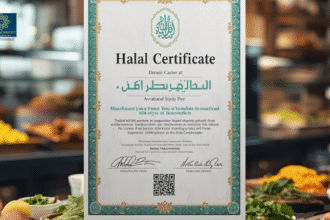
Halal Food and Products: Muslim travelers interviewed expressed satisfaction with the availability of halal food options. One traveler noted, “The whole area of Taman Sedia is operated by Muslims. Outside of that village, many restaurants run by non-Muslims have halal certification. This is impressive given that Cameron is Muslim-minority” .
Local entrepreneurs have embraced halal certification as a business strategy. A first-generation strawberry entrepreneur explained: “The halal market worth is in the trillions. That is why I want to make all my products halal-certified” . This commitment has transformed Taman Sedia into a hub for halal-certified strawberry products, including jams, juices, and snacks .
Muslim-Friendly Accommodation: Cameron offers a wide range of accommodation, from luxury resorts to family-friendly homestays. In Taman Sedia, homestays operated by Muslim villagers have become a preferred choice for Muslim tourists due to their family-friendly environment and proximity to halal eateries and prayer facilities .
Prayer Facilities: Mosques and surau are accessible throughout Cameron. The recent construction of Surau Al-Amin at the Cameron Highlands District Police Headquarters, funded through an ASEAN Social SRI Sukuk Wakalah, exemplifies the integration of spiritual infrastructure into the community .
Unique Highland Activities: MFT in Cameron is centered on highland-based experiences: visits to tea plantations, strawberry farms, flower gardens, and forests. These activities combine adventure and nature-based tourism with halal food exploration. Many cafes adopt garden-style concepts that integrate dining with agricultural activities, such as strawberry picking .
Accessibility and Safety: Cameron is accessible by personal or public land transport, but its winding roads and frequent rainy-season landslides make travel challenging. All travelers interviewed understood the dangers of traveling to remote locations and expressed appreciation for safety measures, including the Public Works Department’s collaboration with the Orang Asli community for road maintenance .
Shopping and Impulse Purchases: Muslim travelers enjoy shopping for halal local products, including fresh fruits, vegetables, tea, flowers, and ornamental plants. These activities are linked to community-based tourism, where local entrepreneurship plays a significant role in sustaining the tourism economy .
The Community Spirit Driving Success
The study identified four key enablers that have made MFT in Cameron Highlands successful:
Strong Community Spirit: The need to survive in a hostile environment explains why Taman Sedia became the hub connecting Muslims in Cameron. A senior resident recounted: “In the early times, only selected people could live in Cameron. There was nothing here except the jungle. Without community, it is difficult for us to survive” . This close-knit community has fostered mutual assistance and long-term commitment to development.
Robust Business and Social Networks: First-generation locals who grew up or worked locally returned as permanent residents with outside connections to start businesses. The networks of the second generation revolve around family members and the wider community, assisting them when they establish businesses in Cameron .
Highly Responsible Residents and Service Providers: There is a strong sense of responsibility among locals for cleanliness, hygiene, and community development. Successful seniors provide leadership to the business community and business opportunities for younger generations. A second-generation entrepreneur described being mentored by his uncle, then working for his grandmother, and eventually building a successful business with his wife .
Comprehensive Agency Support: Government agencies, local authorities, and entrepreneur development agencies like MARA, the National Entrepreneur Group Economic Fund, the Farmer’s Organization Board (LPP), and the Islamic Tourism Centre (ITC) provide a supportive ecosystem. These agencies offer training, facilities, halal certification, and infrastructure development .
The Missing Piece: Responsible Tourism
While MFT and CBT are well-developed, the study found that responsible tourism (RT) elements are lacking in Cameron Highlands. This is a significant concern given the fragility of highland ecosystems.
Mass Tourism and Environmental Degradation: The main problem is heavy traffic and overcrowding during weekends and holidays. One traveler complained: “Cameron is congested with traffic on weekends and during public and school holidays. Traffic problems make visits less enjoyable” . The influx of cars and tourists indicates unsustainable tourism practices. The construction of hillside accommodations and tourist attractions entails significant environmental impacts.
Irresponsible Tourist Behavior: Tourists showed little involvement in environmental protection, with reports of plant and flower theft. Signage in Taman Sedia reminds tourists not to engage in this behavior, indicating local educational efforts. From a business perspective, frequent tourists’ irresponsible conduct shows Cameron’s tourism still lacks key RT elements like environmental protection and resource management .
Aging Business Owners and Business Sustainability: The study raised concerns over aging first-generation business owners. While some successfully handed their businesses to their offspring, others noted the difficulty of training younger generations who are uninterested in taking over. This highlights the sustainability challenges faced by first-generation businesses .
The Emergent Model: Enablers, Attributes, Inhibitors, and Outcomes
From the analysis, the researchers developed a new model of MFT development in the highlands. This model illustrates the interplay among key enablers (community spirit, networks, responsibility, agency support), attributes (halal food, accommodation, prayer facilities, activities, shopping), inhibitors (aging owners, mass tourism, irresponsible tourists), and outcomes (thriving business community, conducive MFT environment) .
The model is unique because it integrates MFT, CBT, and RT perspectives into a single framework. This holistic approach provides a more comprehensive understanding of tourism development from the perspective of multiple stakeholders.
Practical Implications: What Needs to Be Done
The study offers several actionable recommendations:
For Marketers and Businesses: Strategic positioning of ethical products to appeal to materialistic consumers by associating them with status and prestige. In Pakistan, this means framing eco-friendly products as markers of sophistication . In Cameron, this could mean marketing halal-certified local products as premium souvenirs.
For Policymakers: Development of comprehensive sustainable policies and enhanced public education to promote responsible practices by stakeholders. This includes addressing environmental issues, regulating mass tourism, and ensuring the sustainability of community businesses .
For Tourists: Increased awareness of sustainable practices and environmental responsibility. The study calls for strategies to inform visitors about the importance of conservation through signage and eco-tours .
Conclusion: A Model for the Future?
Cameron Highlands offers valuable lessons for other tropical highland destinations seeking to develop MFT. Its success in creating a Muslim-friendly environment through community spirit and agency support is commendable. However, its struggles with environmental sustainability highlight the challenges of balancing tourism growth with ecosystem preservation.
As the global halal tourism market continues to grow, understanding these nuances becomes increasingly important. The study’s emergent model provides a framework for other destinations to follow, emphasizing that MFT development must be holistic, sustainable, and inclusive to succeed in the long run.
Reference: Adham KA, Ha H, Mahmad Nasir N (2026;), “Muslim-friendly tourism development in Southeast Asia’s tropical highlands: the Cameron Highlands case”. Southeast Asia: A Multidisciplinary Journal, https://doi.org/10.1108/SEAMJ-01-2026-0030