A 2026 study compares Myanmar’s Saffron Revolution and Bangladesh’s Hefazat-e-Islam movement, revealing that individual agency and ultranationalist identity — not state repression — were the key catalysts for violence
When Peaceful Movements Turn Violent
Why do some nonviolent movements stay peaceful while others descend into violence? The conventional answer points to state repression. When governments crack down harshly, activists abandon peaceful tactics and take up arms. But a 2026 study by Md. Al-Amin, Sushmita Roy, and Mohammad Abdul Baten Chowdhury challenges this assumption.
The research examines two cases: the Saffron Revolution in Myanmar and the movement led by Hefazat-e-Islam (HI) in Bangladesh. Both began as nonviolent movements. Both eventually turned violent. Yet in neither case was state repression the primary trigger.
Instead, the study finds that individual agency — the choices and actions of religious leaders and activists — played the decisive role. Ultranationalist ideologies that prioritized one religious identity over others, combined with fears of cultural extinction, drove the shift toward violence.
The research uses Qualitative Comparative Analysis (QCA) with a most-similar systems design. This means the two cases share important characteristics but differ in ways that allow researchers to isolate causes.
Two Movements, Two Paths
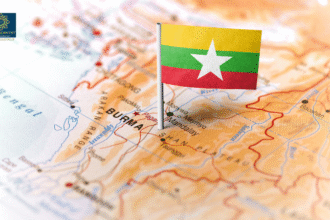
The Saffron Revolution began in 2007. Buddhist monks led protests against fuel price hikes that had devastated ordinary Burmese. The movement drew up to 100,000 participants across twenty-five locations. Monks employed nonviolent tactics — refusing alms from military personnel, chanting loving-kindness, and marching peacefully.
The military responded with force. Troops fired on protesters. Hundreds were arrested, including monks. Yet the movement retained its nonviolent character even as it was crushed.
But something changed after 2012. When monks and laypeople took to the streets again, the target had shifted. Instead of opposing the military, they attacked the Rohingya Muslim minority. Ultranationalist monks like Ashin Wirathu and Sitagu Sayadaw spread hate speech, framing Muslims as an existential threat to Buddhism. Violence followed.
Hefazat-e-Islam followed a different trajectory. Founded in 2010 in Chittagong, HI emerged as a pressure group representing Qawmi Madrasa ulama. It demanded Sharia law and opposed secular policies. Initially, HI employed nonviolent strategies — legal appeals, mass rallies, and public sermons.
Between 2009 and 2013, HI maintained this nonviolent stance. It issued fatwas rejecting violence. It engaged in welfare work. It portrayed itself as a moral movement, not a political one.
Then came 2013. The government rejected HI’s 13-point charter. Frustrated leaders grew increasingly confrontational. Street clashes erupted. Violence followed.
Comparing the Two Movements
| Feature | Saffron Revolution (Myanmar) | Hefazat-e-Islam (Bangladesh) |
|---|---|---|
| Start | 2007 | 2010 |
| Initial trigger | Fuel price hikes | Government policies perceived as anti-Islamic |
| Nonviolent phase | 2007–2012 | 2009–2013 |
| Violent phase | 2012 onward | 2013 onward |
| Key actors | Buddhist monks | Qawmi Madrasa ulama |
| Target shift | Military → Rohingya Muslims | Government → secular activists, minorities |
| State repression | Severe (2007 crackdown) | Moderate initially |
| Violence trigger | Ultranationalist ideology | Frustration with government |
The Role of Individual Agency
| Factor | Myanmar | Bangladesh |
|---|---|---|
| Leader identity | Buddhist monks as moral authorities | Ulama as religious guides |
| Emotional driver | Fear of Buddhist extinction | Fear of Islamic marginalization |
| Identity supremacy | Buddhism over Islam | Islam over secularism |
| Target shift | From military to Muslims | From government to minorities |
| Outcome | Ethnic cleansing of Rohingya | Political violence, attacks on Hindus |
The Micro-Foundations of Violence
The study’s central argument is that micro-foundations matter. Macro-level factors like state repression explain part of the story, but they miss the individual choices that shape movement trajectories.
The researchers draw on social movement theory, particularly the work of James Jasper and Samuel Popkin. Jasper emphasizes that individuals participate in movements when they perceive opportunities, feel collective identity, and are influenced by emotions. Popkin highlights rational self-interest — individuals weigh costs and benefits before acting.
Emotions play a pivotal role. Anger, fear, outrage, and solidarity drive people to join or initiate protests. These emotions often arise in response to perceived injustices. They are transient but powerful.
In both cases, emotions were harnessed by leaders. Buddhist monks in Myanmar framed Muslims as a threat to Buddhism. HI leaders in Bangladesh framed secular policies as an attack on Islam. Followers, whether consciously or unconsciously, absorbed these narratives and acted on them.
The study introduces a hypothesis: When actors within a social movement foreground their religious or ultranationalist identity over others, the movement is more likely to shift from nonviolent to violent strategies.
Myanmar: From Monks to Militants
The Saffron Revolution began with economic grievances. Monks depended on alms from laypeople. When fuel prices soared, ordinary Burmese struggled to survive. They reduced donations. Monks faced hunger.
The connection between monks and laypeople was spiritual and material. Monks provided spiritual guidance. Laypeople provided food and clothing. When the economy collapsed, this mutual relationship broke down.
Monks took to the streets. They refused alms from military personnel. They chanted loving-kindness. They turned their alms bowls upside down — a symbolic act of excommunication. The movement spread across the country.
The military cracked down. Troops fired on protesters. Monks were arrested, tortured, and denied medical care. Yet the movement retained its nonviolent character. Monks remained committed to Buddha’s philosophy of nonviolence.
Then came 2012. A new phase began. This time, the target was not the military but the Rohingya.
Ultranationalist monks like Ashin Wirathu led the 969 Movement. They spread false information about Muslims. They claimed Muslims were “breeding rapidly” and “stealing our women.” They portrayed Islam as a threat to Buddhist identity.
Sitagu Sayadaw, a monk once known for interfaith work, aligned himself with the military. He preached to troops in Karen State, framing the Rohingya crisis as a defense of race and religion. He declared that those killed in battle were “not fully human.”
The alliance between ultranationalist monks and the military proved potent. Monks provided religious legitimacy. The military provided force. Together, they mobilized laypeople against the Rohingya.
Violence followed. In Meiktila, Buddhist mobs attacked Muslim neighborhoods. At least 44 people were killed. In Rakhine State, military campaigns drove hundreds of thousands of Rohingya from their homes.
The movement had transformed. What began as a nonviolent struggle for economic justice became a violent campaign of ethnic cleansing.
Bangladesh: From Pressure Group to Violent Force
Hefazat-e-Islam emerged in 2010. It brought together ulama from Qawmi Madrasas, a vast network of Islamic schools. Its leaders demanded Sharia law and opposed secular policies.
Initially, HI operated nonviolently. It filed legal petitions. It organized mass rallies. It issued fatwas rejecting violence. It engaged in welfare work. It portrayed itself as a moral movement defending Islam.
Between 2009 and 2013, HI maintained this stance. Its 13-point charter demanded blasphemy laws, a ban on “anti-Islamic” practices, and protection for Islamic institutions. It presented these demands through peaceful means.
Then came 2013. The Dhaka long march on April 6 drew massive crowds. The government rejected HI’s demands. Frustration grew.
Leaders grew increasingly confrontational. Street clashes erupted. Violence followed.
HI’s leaders used religious sermons to mobilize followers. Waz Mahfils — public preaching events — became platforms for political messaging. When leaders embedded political messages in religious preaching, followers accepted these appeals as legitimate.
Speeches framed sculptures of Bangabandhu Sheikh Mujibur Rahman as incompatible with Islam. Followers vandalized a sculpture in Kushtia. Media reports indicated those arrested claimed they had been influenced by statements made at HI gatherings.
Social media amplified the message. HI’s Facebook page, with over a million followers, spread propaganda. Videos on YouTube featured leaders expressing violent sentiments.
Da’wa activities — calls to Islam — also played a role. HI publicized conversions and mobilized supporters through leaflets, posters, and social media.
The Qawmi Madrasa network provided manpower. A single madrasa could bring thousands into the streets. Students, influenced by their teachers, mobilized as a disciplined force.
Manhazi factions — those advocating caliphate through jihad — pushed for more radical action. Security forces linked HI’s violent protests during Modi’s visit in 2021 to extremist guidance from within.
Violence followed. In 2021, HI supporters attacked a Hindu village in Sunamganj. At least 75 homes were looted or damaged. Idols were desecrated. In Dhaka, violent anti-Modi protests left at least ten dead.
What began as a nonviolent pressure group became a violent force.
Why State Repression Doesn’t Explain Everything
The conventional narrative says nonviolent movements turn violent when states crack down. But this study challenges that view.
In Myanmar, the military crackdown in 2007 was severe. Monks were arrested, tortured, and killed. Yet the movement retained its nonviolent character. It was only after 2012, when the target shifted to the Rohingya, that violence emerged.
In Bangladesh, the government responded with relative leniency to HI’s early demands. It did not heed them, but it did not crush the movement. Yet violence still emerged.
The common factor in both cases was not state repression but ultranationalist ideology. Leaders in both movements foregrounded religious identity over others. They framed their respective faiths as under threat. They mobilized followers through fear and anger.
Individual agency mattered. Leaders made choices. Activists made choices. Followers made choices. These choices shaped the movement’s trajectory.
The study does not deny that state repression can trigger violence. But it suggests this is not universal. Other factors — identity, emotion, leadership — must be considered.
What This Means for Understanding Social Movements
The study contributes to literature on social movements and nonviolence. It shifts focus from macro-level factors to micro-foundations.
Previous research emphasized state repression, regime type, and structural conditions. This study highlights individual agency, emotional motivations, and identity dynamics.
The findings suggest that movements are not homogeneous. They contain diverse actors with different preferences. Leaders can steer movements toward violence. Followers can be mobilized through identity appeals.
The study also shows that target selection matters. When movements shift their target from governments to minority groups, violence often follows. This shift emphasizes the supremacy of one identity over others.
What This Means for Ordinary People
Why should this study matter beyond academic circles?
Because it speaks to how violence emerges. It shows that violence is not inevitable. It is chosen. Leaders choose to frame others as threats. Followers choose to act on those frames.
It also shows that religion can be used for peace or violence. Buddhist monks in Myanmar initially embraced nonviolence. Islamic leaders in Bangladesh initially rejected violence. Both traditions contain resources for peace.
The study reminds us that identity matters. When people feel their identity is threatened, they may act aggressively. Leaders can exploit these fears. Or they can calm them.
For societies grappling with religious diversity, the study offers lessons. Ultranationalist ideologies are dangerous. They divide communities. They justify violence. Countering them requires promoting alternative identities — ones that unite rather than divide.
A Cautionary Tale
The Saffron Revolution and Hefazat-e-Islam began with legitimate grievances. Monks protested economic injustice. Ulama protested secular policies they believed threatened Islam.
Both movements could have remained nonviolent. Both had traditions and leaders capable of promoting peace. Yet both turned violent.
The study’s findings offer a cautionary tale. Violence does not emerge from nowhere. It is cultivated. Leaders who foreground religious identity over others, who frame minorities as threats, who mobilize through fear — these leaders bear responsibility.
The study also offers hope. If violence is chosen, peace can be chosen too. Leaders can promote tolerance. Movements can remain nonviolent. The outcome depends on individual agency.
Understanding how movements turn violent is the first step toward preventing it.