A major new review of 78 studies finds that research on how to serve Muslim customers well is stuck in the bank. Experts say food, travel, and digital services are being left behind—and that’s a problem for everyone.
If you’ve ever walked into a café, a hotel, or a bank and wondered whether it truly respects your values, you’re not alone. Millions of Muslim consumers around the world ask that question every day. And according to a new study, the people who study these questions have been asking it too—but mostly about banks.
A comprehensive review published in the Journal of Islamic Accounting and Business Research has analyzed 78 academic articles on “halal service quality”—the study of how well businesses serve Muslim customers. The findings are surprising. Since the first study in 2010, researchers have focused overwhelmingly on Islamic finance. Halal food, Muslim-friendly travel, and digital services have received far less attention. And that gap, experts say, could hold back one of the world’s fastest-growing markets.
What Is Halal Service Quality—and Why Does It Matter?
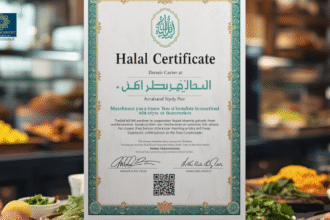
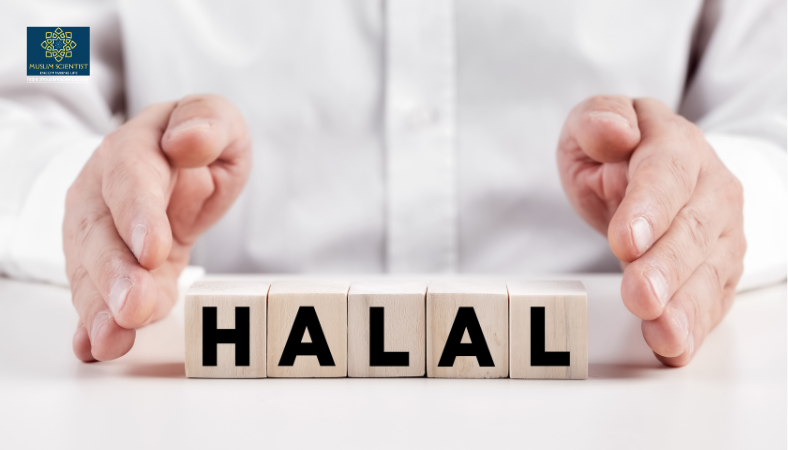
“Halal” is usually associated with food and drink—what Muslims are allowed to consume. But the concept goes much further. Halal service quality is about how businesses treat their customers: whether they are honest, reliable, respectful, and knowledgeable about Islamic values. It’s the difference between a bank that simply offers Islamic products and one that genuinely understands its customers. It’s the difference between a restaurant with a halal certificate on the wall and one where the staff can confidently answer questions about ingredients and preparation.
The review, led by Nurhafihz Noor of James Cook University Singapore, describes service quality as “the perceived excellence and superiority of the service and a type of attitude formed by customers.” In simple terms: it’s how good a service feels to the person using it.
The stakes are enormous. Halal service industries—including Islamic finance, Muslim-friendly travel, and media and recreation—are growing between 5.5% and 9% every year. Together, they contributed to a global halal economy worth US$2.29 trillion in 2022. That’s trillion with a T. Yet the research that should guide businesses on how to serve this market is unevenly distributed.
The Bank Bias: What the Numbers Show
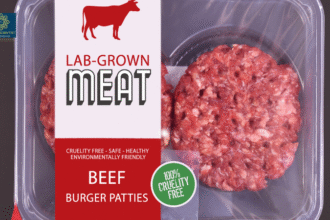
The review analyzed 78 journal articles published between 2010 and 2024. Of those, 54 articles—nearly 70%—focused on the Islamic finance industry. Only 10 articles looked at halal food. Muslim-friendly travel got 9 articles. Halal pharmaceuticals got 3. Islamic education and modest fashion got one each. Halal cosmetics and halal media and recreation received no dedicated studies.
In other words, the industry that dominates the halal economy—finance—dominates the research too. But the everyday experiences of Muslim consumers in restaurants, hotels, shops, and online platforms remain largely unstudied.
| Halal Industry | Number of Studies | Share of Research |
|---|---|---|
| Islamic finance | 54 | 69.23% |
| Halal food | 10 | 12.82% |
| Muslim-friendly travel | 9 | 11.54% |
| Halal pharma | 3 | 3.85% |
| Islamic education | 1 | 1.28% |
| Modest fashion | 1 | 1.28% |
Source: Noor (2024), Table 4.
The review’s author is blunt about the consequences. “The lack of understanding of halal service quality can impede the growth of what are otherwise two promising industries in the halal economy,” Noor writes, referring to halal cosmetics and halal media and recreation.
Where the Research Is Happening—and Where It Isn’t
The review also looked at where studies were conducted. Most research took place in Muslim-majority countries: Indonesia (26.92%), Malaysia (16.67%), and Pakistan (14.10%) led the way. Only a handful of studies came from non-Muslim countries like South Korea, Thailand, and Tanzania.
That’s a problem, according to the review. “As halal markets can also exist in non-Muslim countries, the lack of research and understanding of halal service quality in non-Muslim countries can be an obstacle to creating a successful global halal service brand,” Noor writes.
For Muslim consumers living in Europe, North America, or East Asia, that means less research exists to guide businesses on how to serve them well. For businesses hoping to expand globally, it means less evidence about what works in different cultural contexts.
The Human Touch—and the Digital Gap
Another striking finding: nearly 90% of studies focused on human service providers—bank tellers, customer service agents, and frontline staff. Less than 10% looked at online service quality. Only one study specifically examined mobile service quality.
That’s a major gap in a world where more and more services are delivered through apps, websites, and artificial intelligence. When a Muslim consumer orders food through a mobile app, books a hotel online, or interacts with a chatbot, the same questions about halal integrity and Islamic values apply. But the research hasn’t caught up.
“Despite the significance and proliferation of technologies in services, less than 10% of articles studied the element of online service quality in halal industries,” Noor writes. He describes this as “a cause for concern” given how emerging technologies like AI and the metaverse are changing the service landscape.
What Makes Halal Service Quality Unique?
The review identified three key drivers of halal service quality: culture, technology, and faith. The faith-related factors are what make halal service quality distinctive. They include:
- Islamic Shariah compliance: Whether the business runs on Islamic principles and offers Islamic products and services only.
- Religiosity: How important religion is in a customer’s life—for example, whether they pray regularly or feel Islam helps them live better.
- Islamic place attributes: Whether halal food is available and whether alcoholic drinks are banned in public places.
These factors matter to Muslim consumers in ways that traditional service quality models don’t capture. A café might serve excellent coffee, but if it doesn’t respect Islamic values, Muslim customers may not feel welcome. A hotel might have beautiful rooms, but if it doesn’t offer halal food options, Muslim travelers may look elsewhere.
The review also found that when halal service quality is good, customers are more satisfied, more loyal, and more likely to recommend the business to others. These are the same outcomes businesses care about in any market—but the path to getting there is different.
What This Means for Businesses
The review offers practical lessons for managers and business owners. First, service quality matters across all halal industries—not just finance. Halal food businesses need to pay particular attention to food quality and safety. Halal hospitality and tourism businesses need to focus on providing quality facilities and services.
Second, businesses can use the detailed breakdown of service quality factors to compare themselves with competitors and identify areas for improvement. Third, understanding what drives halal service quality—and what results from it—can help businesses focus their resources and build stronger relationships with Muslim customers.
The review also highlights the importance of expertise. Businesses need people who understand culture, technology, and faith—and how these factors shape customer experiences. That’s not something that can be left to chance.
A Call for More Research
The review concludes with a rallying call. “The service environment continues to evolve and affect all industries within it, including services primarily catered to the needs of a growing global Muslim population,” Noor writes. “The study of service quality remains relevant and critical with more halal service sectors driving the global Islamic economy.”
But the review also warns that research in this area has declined since its peak in 2020. That’s a concern, especially as technology changes how services are delivered. The review proposes 16 specific research questions to guide future studies, covering topics like:
- How do Muslim consumers in different countries perceive service quality differently?
- How can businesses unlock value between Muslim and non-Muslim companies?
- What role does religiosity play in how customers evaluate service quality?
- How will service quality be evaluated in the metaverse?
These questions matter not just for researchers but for anyone who cares about how businesses treat their customers.
The Bottom Line
The halal economy is growing fast. But the research that should help businesses keep up is concentrated in one sector and one type of service. Food, travel, digital services, and non-Muslim markets remain understudied. For Muslim consumers, that means less assurance that their values will be respected. For businesses, it means missed opportunities to serve a rapidly growing market.
The review is a reminder that service quality is not just about what you sell—it’s about how you treat people. And in the halal economy, that means understanding culture, technology, and faith. The research is catching up, but there’s still a long way to go.
Reference. Noor, N. (2024). Halal service quality: systematic review, conceptual model and future research. Journal of Islamic Accounting and Business Research, 17(7), 2520–2543. https://doi.org/10.1108/JIABR-06-2024-0211