Simple Timing Change in Daily Prayer Produces Significant Health Improvements, Study Finds
A pioneering clinical trial has revealed that the Islamic ritual prayer (Salat) can significantly improve immune function and metabolic health when performed after meals. The randomized crossover study, published in Frontiers in Public Health, found that older adults who prayed after eating experienced notable weight loss, reduced body fat, and enhanced immune cell counts.
This research arrives at a critical time when the global population is aging rapidly and physical activity levels are declining. The World Health Organization identifies insufficient physical activity as the fourth leading risk factor for global mortality. For older adults who struggle with structured exercise programs, daily religious practices like Salat may offer a culturally acceptable and sustainable alternative.
The Study: How Prayer Became Medicine
The research team recruited 30 overweight adults with an average age of 53.5 years from Pakistan. Participants were divided into two groups and asked to either pray before meals (Pre-MS) or after meals (Post-MS) for four weeks. After a two-week break, they switched regimens. This crossover design strengthens the findings by allowing each person to serve as their own control.
Why This Matters: The study deliberately chose older, overweight individuals who find structured exercise difficult. By testing a practice they already perform daily, the researchers hoped to find a sustainable health intervention.
How Participants Were Divided
| Group | What They Did | Duration |
|---|---|---|
| Pre-Meal Prayer Group | Performed Salat before lunch and dinner | 4 weeks |
| Post-Meal Prayer Group | Performed Salat within 5-10 minutes after lunch and dinner | 4 weeks |
| Washout Period | Returned to normal routine | 2 weeks |
| Switch | Groups swapped regimens for another 4 weeks |
Simple Explanation: Each participant tried both prayer timings. This way, researchers could see which timing—before or after meals—worked better for health improvements.
What Is Salat? Understanding the Physical Activity
Salat is an obligatory Islamic prayer performed five times daily by Muslims worldwide. It involves specific physical movements that closely resemble yoga and tai chi:
- Standing (Qiyam): The person stands erect, placing hands over the chest
- Bowing (Rukuk): The person bows forward with hands on knees, back straight
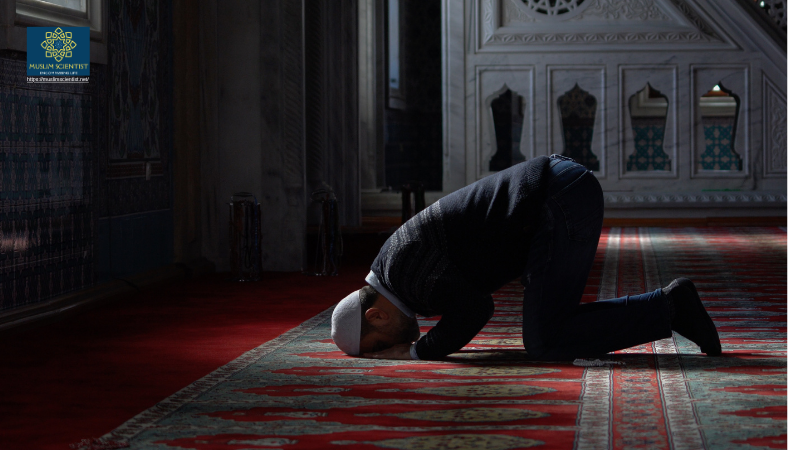
- Prostration (Sujud): The person kneels with forehead, nose, palms, knees, and toes touching the ground
- Sitting (Qa’dah): The person sits with back erect, hands resting on thighs
The Exercise Connection: Each full Salat session requires approximately 10-20 minutes, and practicing five times daily provides 50-80 minutes of physical activity. This meets the World Health Organization’s recommended 150 minutes of moderate activity per week when combined across the day.
Previous research has shown that Salat is equivalent to moderate-intensity exercise, similar to brisk walking. A 2013 study found that heart rate and blood pressure change significantly during different Salat positions, with prostration producing the lowest heart rate and greatest relaxation response.
Key Findings: What the Study Discovered
1. Weight and Body Fat Improved Significantly
Participants who prayed after meals experienced a significant reduction in body weight (average loss of 3.3 kg) and percent body fat. This is comparable to the benefits of walking after meals, which previous studies have shown improves postprandial glucose and metabolic health.
2. Immune Function Received a Major Boost
Post-meal prayer resulted in clear “leukocytosis”—an increase in white blood cells including granulocytes, monocytes, and lymphocytes. When analyzing specific immune cells:
- T-cells showed significant increases
- B-cells increased significantly
- NK cells (natural killer cells) showed numerical increases
- CD8+ T cells (important for fighting infections) showed statistically significant increases
What This Means: These immune cells are your body’s defense system. T-cells fight infections directly, B-cells produce antibodies, and NK cells attack viruses and cancer cells. The study showed that praying after meals literally strengthens your immune army.
How Prayer After Meals Improved Health
| Health Marker | Before Prayer (Pre-MS) | After Prayer (Post-MS) | What Changed |
|---|---|---|---|
| Body Weight | Average 86.7 kg | Average 83.4 kg | Lost 3.3 kg |
| Body Fat Percentage | 33.0% | 29.4% | Decreased significantly |
| White Blood Cells | 4.8 (×10⁹/L) | 5.5 (×10⁹/L) | Increased immunity |
| T-Cells (CD3+) | 0.8 (×10⁹/L) | 1.4 (×10⁹/L) | Nearly doubled |
| B-Cells (CD19+) | 0.4 (×10⁹/L) | 0.7 (×10⁹/L) | Increased significantly |
| Systolic Blood Pressure | 141.4 mmHg | 128.2 mmHg | Lowered significantly |
| Triglycerides | 2.0 mmol/L | 1.3 mmol/L | Improved significantly |
What This Table Tells You: After four weeks of praying after meals, participants lost weight, lowered blood pressure, improved cholesterol, and strengthened their immune systems. These are substantial changes for such a short period.
Why Timing Matters: Prayer Before vs. After Meals
The study’s most important finding is that post-meal prayer was significantly more effective than praying before meals. This pattern has been observed in studies on post-meal walking for diabetes management.
Why Post-Meal Prayer Works Better:
- Postprandial Glycemia Control: Walking after meals has been shown to improve blood sugar levels. Similarly, prayer after meals helps regulate the glucose spike that follows eating.
- Weight Loss Mechanism: The researchers suggest that mild physical activity after meals helps burn calories that would otherwise be stored as fat.
- Better Blood Flow: Exercise after eating enhances venous return and peripheral circulation, reducing vascular stasis.
- Immune Stimulation: Physical activity after meals may stimulate immune cell production through improved circulation and metabolic regulation.
Age Matters: Older Adults Benefited Most
The study divided participants into “young” (under 50) and “old” (over 50) groups. The findings were striking:
Older adults experienced significantly greater immune benefits from post-meal prayer compared to younger participants. While both groups showed improvements, the increases in granulocytes, monocytes, and lymphocytes were statistically significant only in older adults.
Why This Might Be:
- Catch-Up Effect: Older adults start from a lower immune baseline (the study notes that aging compromises the immune system). Any intervention, therefore, produces a more noticeable effect.
- Experience with Prayer: Older individuals have performed Salat for decades. Any change to their prayer timing (like praying after meals) may have a more pronounced effect.
- Greater Room for Improvement: Young people already have healthier immune and metabolic profiles, so the room for improvement is smaller.
What This Means: If you’re older and looking to improve your health, adjusting your prayer timing to after meals could be particularly effective.
How Prayer Compares to Other Exercise
Salat closely resembles yoga and tai chi in terms of physical movements and health benefits. Research has shown:
- Salat improves balance and reduces fall risk in older adults
- Regular practitioners demonstrate better spinal mobility
- Energy expenditure approximates mild-to-moderate aerobic activity
- Post-meal walking studies show similar metabolic benefits
The Social Advantage: Unlike solitary exercise, Salat is often performed congregationally in mosques. This provides social interaction and community support, which makes the activity feel less burdensome and more sustainable.
Practical Implications for Health
For Healthcare Providers:
This research suggests that incorporating culturally sensitive practices into health promotion could improve compliance in Muslim communities. Instead of prescribing unfamiliar exercise routines, healthcare professionals can recommend optimizing existing religious practices.
For Older Adults:
Simply adjusting when you pray (after meals instead of before) could provide significant health benefits without requiring extra time or equipment. The study involved no additional time commitment—just changing the timing of an existing daily routine.
For Public Health Programs:
The World Health Organization recommends 150-300 minutes of moderate physical activity per week. Salat, practiced five times daily, can contribute significantly toward this goal without feeling like “exercise.”
Why This Research Matters Now
Global Aging: The world’s population is aging rapidly. By 2050, the number of people aged 60 and older will double to 2.1 billion. Finding sustainable, culturally acceptable physical activities for this population is urgent.
Physical Inactivity Crisis: Insufficient physical activity causes 1.5-3% of direct healthcare costs. The COVID-19 pandemic has worsened sedentary behavior, particularly among older adults who were isolated at home.
Muslim Populations: With 1.9 billion Muslims worldwide, Salat represents an enormous opportunity for health promotion. Small improvements in timing could have population-level health impacts.
Integration of Faith and Health: Historically, religious practices have been divorced from medical recommendations. This research suggests that combining the two can create powerful, culturally acceptable interventions.
Conclusion: A Simple Change with Powerful Results
This randomized controlled trial provides clear evidence that the Islamic ritual prayer, when performed after meals, improves weight management, cardiovascular health, and immune function—particularly in older adults. The effects are clinically significant and comparable to structured exercise programs.
The beauty of this intervention lies in its simplicity. No new equipment is required. No extra time is needed. No complicated routines must be learned. Simply adjusting the timing of an existing daily practice—praying after meals instead of before—produces measurable health benefits.
As the researchers conclude: “The Islamic obligatory and congressional Salat practice is capable of mimicking desirable pro-immune and pro-metabolic health effects.” For the millions of Muslims who perform Salat daily, this research transforms prayer from purely spiritual practice into a powerful tool for healthy aging.